- English
- French
- German
- Portuguese
- Spanish
- Russian
- Japanese
- Korean
- Arabic
- Greek
- German
- Turkish
- Italian
- Danish
- Romanian
- Indonesian
- Czech
- Afrikaans
- Swedish
- Polish
- Basque
- Catalan
- Esperanto
- Hindi
- Lao
- Albanian
- Amharic
- Armenian
- Azerbaijani
- Belarusian
- Bengali
- Bosnian
- Bulgarian
- Cebuano
- Chichewa
- Corsican
- Croatian
- Dutch
- Estonian
- Filipino
- Finnish
- Frisian
- Galician
- Georgian
- Gujarati
- Haitian
- Hausa
- Hawaiian
- Hebrew
- Hmong
- Hungarian
- Icelandic
- Igbo
- Javanese
- Kannada
- Kazakh
- Khmer
- Kurdish
- Kyrgyz
- Latin
- Latvian
- Lithuanian
- Luxembou..
- Macedonian
- Malagasy
- Malay
- Malayalam
- Maltese
- Maori
- Marathi
- Mongolian
- Burmese
- Nepali
- Norwegian
- Pashto
- Persian
- Punjabi
- Serbian
- Sesotho
- Sinhala
- Slovak
- Slovenian
- Somali
- Samoan
- Scots Gaelic
- Shona
- Sindhi
- Sundanese
- Swahili
- Tajik
- Tamil
- Telugu
- Thai
- Ukrainian
- Urdu
- Uzbek
- Vietnamese
- Welsh
- Xhosa
- Yiddish
- Yoruba
- Zulu
What Are Red HDPE Produce Flat Bags Used For?
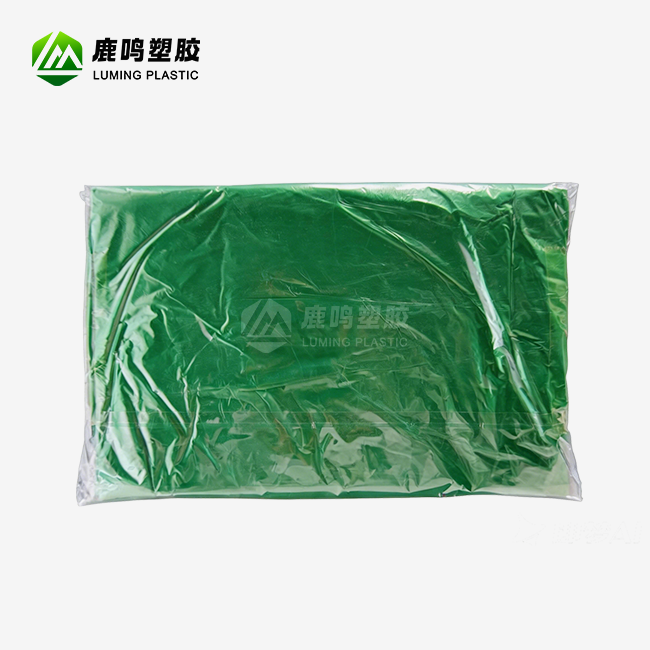
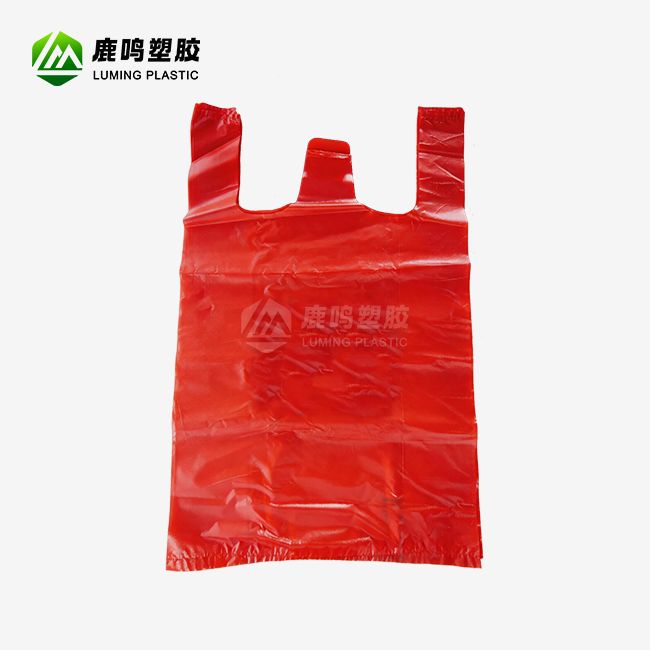
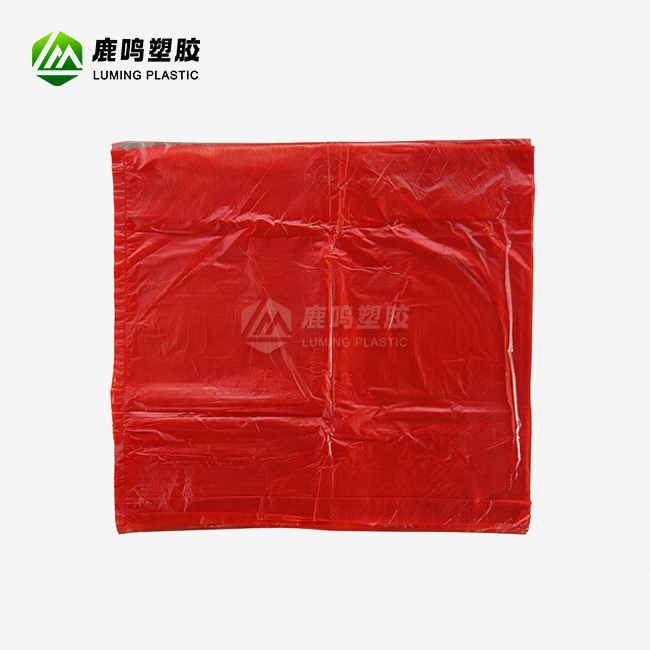
Red HDPE produce flat bags are heavy-duty packaging bags made from 100% virgin high-density polythene, designed specifically for sorting, packing, and transporting fresh fruits and vegetables. The bold red colour makes grade and category identification instant on a busy packing floor, cutting sorting errors without extra labour. Their flat opening feeds smoothly into automatic sealing machines, and the heat-sealed bottom holds firm under stacking weight. From export packing stations in South-east Asia to wholesale markets in the United States, these bags keep produce clean, dry, and intact from harvest to shelf.
Understanding Red HDPE Produces Flat Bags
What HDPE Actually Is
With a Resin Identification Code of 2, high-density polythene is one of the most recovered plastics in the world. Because its molecules are very straight and highly crystalline, they have a tensile strength that low-density options at the same film gauge just can't match. In simple terms, you get a bag that is thinner but can still handle real abuse, which is important when it has to hold 10–20 kg of onions or mangoes all day.
How the Film Is Made
To make Luming Plastic's red produce bags, new HDPE resin is fed into a blown-film extruder. The organic, heavy-metal-free red pigment is mixed right into the melt. This keeps the colour inside the polymer matrix and keeps it from getting on food surfaces, which is what FDA 21 CFR 177.1520 and EU Regulation 10/2011 say must happen. After extrusion, each roll is put through ultrasonic thickness gauges to make sure the gauges are the same across the whole width. Only then does bag-making begin.
Recyclability and Environmental Position
In the United States, most city and business recycling programmes will take HDPE because it is Code 2. HDPE flat bags have a smaller carbon footprint per bag because they use less raw material per unit of load-bearing capability than knitted polypropylene bags. Biodegradable alternatives often cost more and might not meet the standards for keeping moisture out that cold-chain logistics needs. HDPE is still a good choice for people who need to make sure their food is safe and the packaging can be recycled.
Primary Uses and Benefits of Red HDPE Produce Flat Bags
Colour-Coded Sorting on High-Speed Lines
Workers can't take time to read labels on a packing line that moves 50 tonnes of food every day. At a glance, red lets you know what grade or category something is. Post-harvest supply chain management studies have shown that colour-coded packing cuts down on mistakes in grading by measured amounts, which in turn lowers complaints from retailers. One choice about colour at the bag level can protect the value of an entire export package.
Machine-Compatible Flat Opening
These bags have a flat, smooth opening that fits perfectly into automatic bag-mouth openers and form-fill-seal machines. They don't get stuck or misfeed. This is a must-have feature for packing plants with continuous shifts. A bag with a rough or bent mouth slows down the line and costs more to work on. Luming Plastic's production method has a step to make sure the mouth is flat before sending it out. This keeps machine downtime to a minimum.
Red HDPE produce flat bags are great for business produce companies because they do the following things better than others:
- High tensile strength and stacking rigidity: The virgin HDPE film maintains bag shape under palletised weight, so lower boxes do not crush and spill, protecting cargo integrity during ocean freight.
- Moisture and dust resistance: The film acts as a barrier against humidity, condensation, and airborne dust—a real concern in open warehouse and market environments where temperature swings are constant.
- Secure heat-sealed bottom: The bottom seal is tested against ASTM D882 tensile standards to confirm it holds rated load without splitting, preventing costly bag failures mid-transit.
- Custom sizes and print: Available in a wide thickness range (8–25 microns) and fully printable with brand names, barcodes, or grade markings—supporting supply chain traceability and retail brand identity.
High tensile strength and stiffness when stacked: The fresh HDPE film keeps the shape of the bag even when it is loaded onto a pallet. This keeps the lower boxes from crushing and spilling, which protects the integrity of the goods during ocean freight.
Comparison Guide for Choosing the Right Flat Bags
Red HDPE vs. Other Coloured PE Bags
The choice of colour has practical implications. In normal lighting, red HDPE produce flat bags are easier to see than white or natural-coloured ones. This is especially true in the back rooms of wholesale markets, where yellow sodium lighting is common. Within the same facility, different colours can stand for different types or grades of produce. HDPE has better colour consistency from batch to batch than LDPE because it absorbs pigment more evenly.
HDPE vs. Woven Polypropylene Bags
Woven bags are very strong, but they can't be heat-sealed to a flat bottom that is closed, and they're not usually good for food that needs to be kept dry. Also, each unit costs more at the same gage. HDPE flat bags have a sealed bottom and a printable surface. They are also cheaper per unit, which makes them the best choice for packing a lot of items quickly and cleanly.
HDPE vs. Biodegradable Alternatives
Even though biodegradable produce bags have gotten better, most approved choices are still more expensive and lose their ability to keep moisture out over time in cold storage. There is a real chance that seals will break on export shipments that go by sea for 20 to 40 days. It is safe for food, lasts a long time, and can be recycled through established programmes. HDPE bags with Code 2 recyclability are a good middle ground because they don't have the performance risk of early-generation biodegradable films.
Procurement Insights for Red HDPE Produce Flat Bags
Identifying a Credible Manufacturer
A trustworthy red HDPE produce flat bags maker should have food-contact certifications for both the FDA and the EU, have their own blown-film and bag-making lines, and be able to give you third-party test results when you ask for them. Luming Plastic is based in Liuguanzhuang, which is China's largest cluster for the plastics industry. The company has been in business for 30 years and has full vertical integration and quality management that is equivalent to ISO 9001. This means getting the same raw materials every time, keeping production under control, and being able to predict the quality of the output for big repeat orders.
MOQ, Lead Times, and Logistics
The company Luming Plastic always has between 500 and 800 tonnes of finished goods and more than 300 tonnes of new PE resin on hand. Within 24 hours, stock orders are sent out. Everyday special orders (size and colour) leave the plant in three to five days. Orders for complicated, multicolour printing take 7–10 days. The plant is close to National Highway G206 and Rizhao Port, which saves two to three days on freight time compared to makers further inland. This is especially helpful when export windows are short.
Evaluating Supplier Reliability
Before placing a trial order for red HDPE bags from different suppliers, make sure you get the following: a current FDA compliance statement, the results of a Dart Impact Test (ASTM D1709), a colour migration test report, and a production audit or third-party certification document. Low MOQ choices (from 5,000 pieces) let buyers send out a test package before ordering a full container. This lowers the risk of the first order without affecting the ability to check the quality of the real production.
Best Practices and Future Trends in Red HDPE Flat Bag Usage
Extending Bag Life Cycle Through Smart Sourcing
To avoid over-engineering (trash) and under-engineering (damage), make sure the right gauge is chosen for each type of produce. 8–12 microns is usually enough for young greens and light food. 15–25 microns is the right load range for root veggies, citrus fruits, and things stacked four high. When you match the gauge to the application, you use less material per shipment without giving up protection.
Emerging Material Developments
Material scientists are working hard on HDPE blends that include recycled content from used products and are still safe for food contact. PCR-HDPE is being tested in a number of testing projects in North America and Europe at inclusion rates of 20–30% without any noticeable loss in tensile performance. If buyers lock in relationships with suppliers now that there are clear quality standards, they will be ready to switch to these materials as legal standards change.
Regulatory Readiness for Export Markets
Because of the EU's Single-Use Plastics Directive and the FDA's ongoing updates to its guidance, packaging rules are not always followed. Buyers can avoid having their shipments held up at the border by choosing a supplier who keeps their certifications up to date and can provide updated paperwork upon request. After-sales service at Luming Plastic is available 24 hours a day, 7 days a week. Requests for compliance documents are answered the same business day.
Conclusion
Red HDPE produce flat bags solve a specific, real problem: they make sorting faster, protect produce from moisture and physical damage, and hold up under the weight of commercial-scale packing and shipping. Made from virgin HDPE with a secure heat-sealed bottom and a machine-compatible flat mouth, they fit directly into high-speed packing lines. With recyclability under Code 2, a wide range of customisable sizes and print options, and food-contact compliance under FDA and EU standards, they represent a practical, tested choice for produce operations of any scale.
FAQ
What thickness should I choose for heavy produce?
For heavy items like root vegetables or citrus stacked four layers deep, 15–25 microns provides adequate load margin. Lighter produce such as leafy greens generally works well at 8–12 microns. Matching gauge to actual load prevents both material waste and bag failure.
Is the red pigment safe for direct food contact?
Yes. Professional-grade bags use organic, heavy-metal-free pigments compounded within the polymer matrix. Luming Plastic's bags comply with FDA 21 CFR 177.1520 and EU Regulation 10/2011, so the pigment does not migrate to food surfaces under normal use conditions.
Can I order multiple colours with a low minimum quantity?
Luming Plastic supports small-batch multi-colour orders with a minimum of 5,000 pieces per SKU. This allows packing facilities to test a colour-coding system across several produce grades before committing to full container volumes.
How do I ensure colour consistency across large orders?
Request a batch colour card from your supplier before production begins, and ask for a colour migration test report. Luming Plastic uses calibrated pigment compounding with ultrasonic thickness gauges on every roll to maintain consistency across the full production lot.
Are these bags recyclable?
Yes. HDPE carries Resin Identification Code 2, accepted by most municipal and industrial recycling programmes in the United States and globally. Proper disposal through Code 2 streams keeps these bags out of landfill and supports circular material recovery.
Request a Sample from Luming Plastic—Your Trusted Red HDPE Produce Flat Bag Manufacturer
Looking for red HDPE produce flat bags for your produce packing, wholesale, or export operations? Contact Luming Plastic to discuss your required bag size, thickness, colour, printing, and order quantity. Sample requests and product enquiries are welcome. For samples, specifications, pricing, or custom requirements, please contact Luming Plastic at sales@lumingplastic.com.
15–25 microns is a good load margin for heavy things like root vegetables or citrus fruits stacked four layers deep. At 8–12 microns, lighter foods like leafy greens usually work well. When you match the gauge to the real load, you avoid both material waste and bag failure. Professional-grade bags are made with organic colours that don't contain any dangerous metals. Luming Plastic's bags follow FDA 21 CFR 177.1520 and EU Regulation 10/2011, which means that the colour doesn't get on food when they are used normally.
References
1. Han, J. H. (Ed.). Innovations in Food Packaging. Academic Press, 2014.
2. American Society for Testing and Materials. ASTM D882: Standard Test Method for Tensile Properties of Thin Plastic Sheeting. ASTM International, 2018.
3. American Society for Testing and Materials. ASTM D1709: Standard Test Methods for Impact Resistance of Plastic Film by the Free-Falling Dart Method. ASTM International, 2016.
4. U.S. Food and Drug Administration. Guidance for Industry: Food Contact Substance Notification Program. FDA, 2022.
5. European Commission. Regulation (EU) No 10/2011 on Plastic Materials and Articles Intended to Contact Food. Official Journal of the European Union, 2011.
6. Marsh, K., & Bugusu, B. "Food Packaging — Roles, Materials, and Environmental Issues." Journal of Food Science, Vol. 72, No. 3, 2007.
Get customized packaging solutions with fast professional support.