- English
- French
- German
- Portuguese
- Spanish
- Russian
- Japanese
- Korean
- Arabic
- Greek
- German
- Turkish
- Italian
- Danish
- Romanian
- Indonesian
- Czech
- Afrikaans
- Swedish
- Polish
- Basque
- Catalan
- Esperanto
- Hindi
- Lao
- Albanian
- Amharic
- Armenian
- Azerbaijani
- Belarusian
- Bengali
- Bosnian
- Bulgarian
- Cebuano
- Chichewa
- Corsican
- Croatian
- Dutch
- Estonian
- Filipino
- Finnish
- Frisian
- Galician
- Georgian
- Gujarati
- Haitian
- Hausa
- Hawaiian
- Hebrew
- Hmong
- Hungarian
- Icelandic
- Igbo
- Javanese
- Kannada
- Kazakh
- Khmer
- Kurdish
- Kyrgyz
- Latin
- Latvian
- Lithuanian
- Luxembou..
- Macedonian
- Malagasy
- Malay
- Malayalam
- Maltese
- Maori
- Marathi
- Mongolian
- Burmese
- Nepali
- Norwegian
- Pashto
- Persian
- Punjabi
- Serbian
- Sesotho
- Sinhala
- Slovak
- Slovenian
- Somali
- Samoan
- Scots Gaelic
- Shona
- Sindhi
- Sundanese
- Swahili
- Tajik
- Tamil
- Telugu
- Thai
- Ukrainian
- Urdu
- Uzbek
- Vietnamese
- Welsh
- Xhosa
- Yiddish
- Yoruba
- Zulu
White HDPE Produce Flat Bags: Uses, Benefits, and Applications
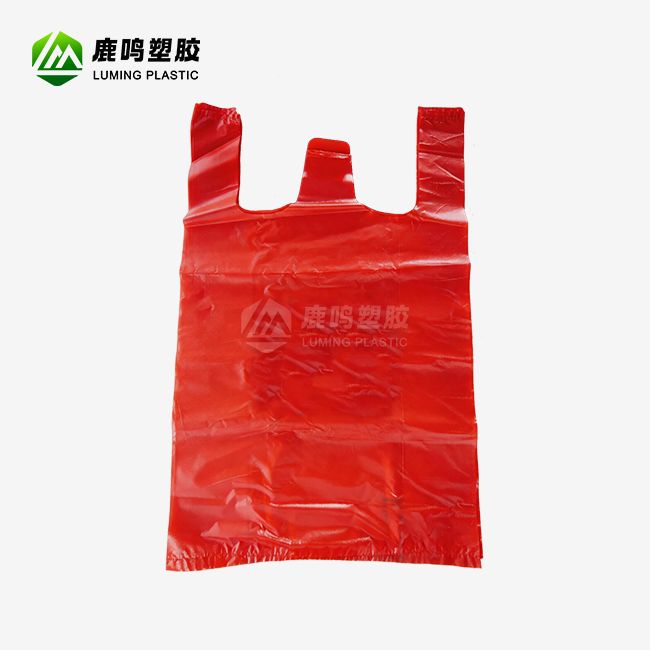
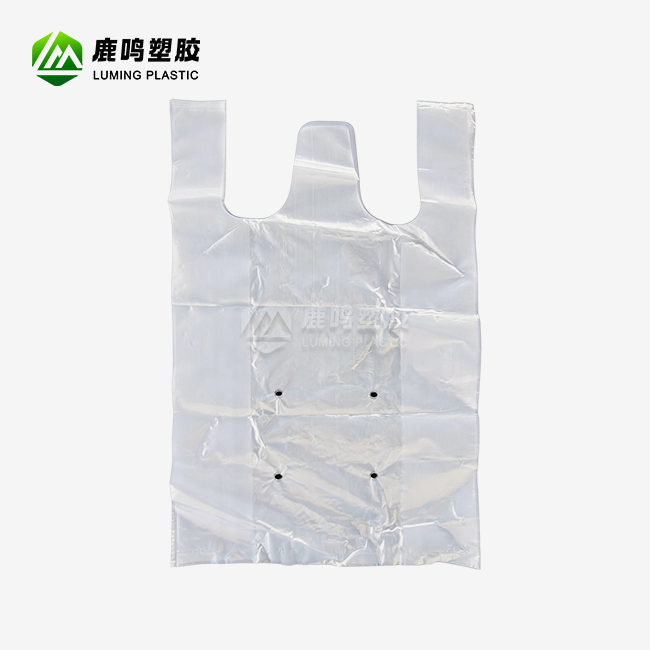
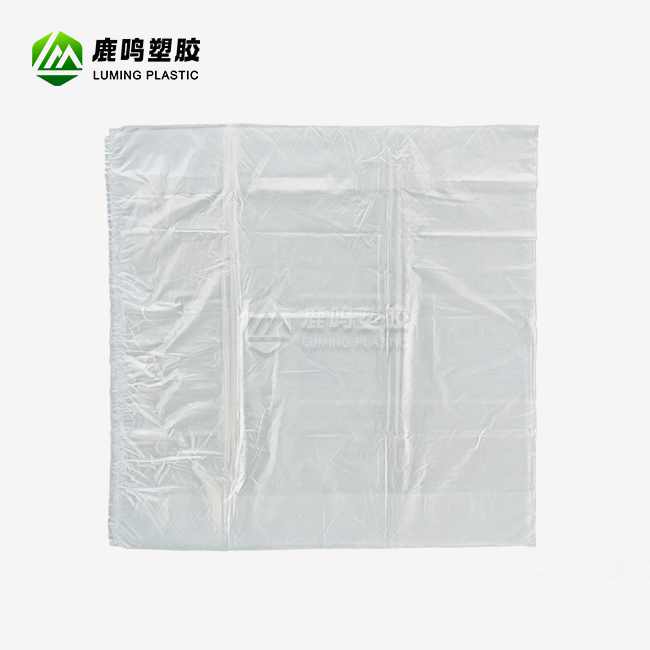
White HDPE produce flat bags are food-grade packaging solutions manufactured from virgin high-density polythene resin. Widely used across fresh produce supply chains, food processing lines, and industrial storage, these milky white flat bags combine puncture resistance, moisture protection, and consistent heat seal performance. For B2B buyers—from fruit and vegetable processors to packaging distributors—they represent a balance of hygiene, mechanical reliability, and supply chain predictability that few alternative materials match.
What Are White HDPE Produce Flat Bags?
Buyers can make better decisions about where to get goods when they know what makes HDPE flat bags different from other plastic packaging.
Material and Structure
The food-grade virgin HDPE resin used to make these bags has a density range of 0.941–0.965 g/cm³. The process of making it starts with extruding blown film, then cutting it flat, and finally fixing the base with heat. The milky white colour comes from TiO₂ masterbatch, which also protects some light-sensitive foods from UV rays.
Physical Properties That Matter
HDPE has higher tensile strength at smaller gauges than LDPE, which means the bag can carry more while weighing less. For most common produce uses, the thickness is between 6 and 15 microns. It doesn't become rigid when the temperature drops below about -50°C, which makes the material useful for cold-chain and frozen food settings.
Compliance and Safety
The FDA 21 CFR 177.1520, EU No. 10/2011, and EC 1935/2004 all say that Luming Plastic's HDPE flat bags are safe for direct food contact. Every batch of products goes through quality control that is equivalent to ISO 9001. If a food processing facility is going to be audited by a buyer, recorded compliance is a requirement for getting these certificates.
Uses and Applications of White HDPE to Produce Flat Bags
Many different types of industries use these bags in everyday life, which is one reason why they are always present in global supply chains.
Fresh Produce Packaging
When fruits and veggies are processed, white HDPE produce flat bags are the main way that leaves, mushrooms, root vegetables, and cut vegetables are packed. The wide open top makes it faster to fill on automated packaging lines, and the flat bag design makes it easy to store and move flat packs. The thick white surface also helps to reflect heat, which keeps the temperature inside more fixed while it is being picked and distributed in the field.
Food Processing Line Liners
These bags are used as liners inside bulk bins in central kitchens and ready-meal plants. The low moisture vapour transmission rate (MVTR) of the bag keeps the contents from drying out too quickly, and the heat-sealed bottom can handle heavy contents without stretching or breaking. For production managers, protecting flow directly means cutting down on line stops caused by bags.
Industrial and Warehouse Applications
HDPE flat bags can be used to package more than just food. Because they are tough against punctures and tears, they can also be used to store tools, small machine parts, and dry goods in warehouses. The moisture and dust shield keeps the items safe while they are being stored and shipped without making the package heavier or more expensive.
Benefits of White HDPE Produce Flat Bags for B2B Buyers
Picking the right bag material changes more than just the cost of packing. It also changes how well the line works, how the items look on the shelves, and the results of audits. Here are the main reasons why food-grade HDPE flat bags work better:
- Puncture and tear resistance: The high molecular weight structure of HDPE resists sharp produce stems and heavy contents, reducing in-line bag failures that slow down packing operations.
- Moisture and dust protection: A low MVTR keeps packaged produce from wilting prematurely, extending shelf life and reducing shrinkage losses at retail.
- Consistent heat seal performance: Uniform film thickness across the roll produces even, repeatable seals. This directly reduces seal rejection rates on automated lines — a metric that production supervisors track closely.
- Clean, hygienic appearance: The milky white finish signals freshness to end consumers and supports retailer shelf standards, while the food-grade material eliminates contamination risk.
- Recyclability: HDPE bags carry Recycling Code #2 and are accepted in most plastic film recycling programmes, supporting sustainability reporting goals without requiring a switch to more expensive materials.
Together, these performance factors cut down on waste, keep product quality high, and make sure that automated packaging lines don't have to stop for no reason.
Sustainability Comparison
When it comes to strength, HDPE bags use less material by weight than LDPE alternatives. When compared to polythene, HDPE is easier to recycle in the U.S. market. Companies that keep track of measures for packaging sustainability can use this difference in reporting in a way that goes beyond marketing words.
How to Choose the Right White HDPE Flat Bags for Your Operation
When buying white HDPE produce flat bags, you should look at what you need it for in the workplace, not just what it says in the catalogue.
Match Thickness to Application
6–8 micron bags are usually enough for light foods like leafy greens. For heavier things like root vegetables, portioned meat cuts, or industrial parts, 10–15 micron bags are strong enough to hold the weight and won't tear easily. It is common to ask for sample rolls so that machines can test them out before committing to a full order.
Verify Gauge Consistency Across Batches
One of the main reasons why automatic packing lines have to change the seal temperature so many times is that the width changes from batch to batch. Luming Plastic uses an ultrasonic micrometre to make sure that the monitor gauge is the same on every production roll. This makes it easier for line supervisors to recalibrate the gauges.
Confirm Machine Compatibility
The bag's width, length, and open-top measurements must match the ones on the seals you already have. Tell the supplier what kind of machine you have and what the current bag specifications are before you place your first order. The expert team at Luming Plastic can help you with dimensional standards and the right amount of anti-block additives to make sure that your line runs smoothly.
Ordering and Logistics: Sourcing from Luming Plastic
For high-volume food preparation activities, the reliability of the supply chain is just as important as the specifications of the products.
Stock and Lead Times
Luming Plastic keeps between 500 and 800 tonnes of finished bags and more than 300 tonnes of brand-new PE raw material in Rizhao, China. Within 24 hours, stock orders are sent out. Orders that are simple and don't have a lot of layers or printing take 7–10 days to finish. The factory makes 8–10 tonnes of goods every day using its own blown film and bag-making lines. It has a single, unified production chain that doesn't use any outside help.
Logistics Infrastructure
The Rizhao facility is in Liuguanzhuang, which is home to China's biggest cluster of plastics businesses. It has easy access to Rizhao Port, National Highway G206, and rail freight. Because of where they are located, freight wait times are two to three days shorter than with most inland plastic bag makers. This is an important benefit for buyers who need to keep their inventory levels low.
Customisation Options
With a minimum order number of 5,000 pieces, you can get custom shapes, film thickness, and flexographic printing (up to four colours on the white base). Luming Plastic offers ODM and OEM plans for retailers and wholesalers, which include brand colour matching and barcode/traceability printing.
Conclusion
White HDPE produce flat bags have been used for a long time and are a good choice for technically sound packaging for processing fresh produce, making food, and industrial storage. Their consistent film thickness, strong heat seal performance, food-grade compliance, and ability to be recycled meet the practical needs of B2B buyers who need packaging that works reliably at production scale. Luming Plastic offers buyers a supply relationship based on trust and stability thanks to its 30 years of manufacturing experience, ability to produce in-house, and verified food safety certifications.
FAQ
What thickness should I order for automated packaging lines?
For most fresh produce applications on automatic sealing equipment, 8–12 micron film covers the majority of use cases. Heavier loads or sharp-edged contents typically require 12–15 microns. We recommend requesting a sample roll to run machine trials before confirming specifications.
Are these bags compliant with FDA and EU food contact standards?
Yes. Luming Plastic's HDPE flat bags meet FDA 21 CFR 177.1520 and EU No. 10/2011 requirements for direct food contact. Test reports are available upon request for buyer audit documentation.
Can the bags be custom printed?
Yes. The white base provides high contrast for flexographic ink printing. Custom logos, barcodes, and brand colours are available. Samples are provided within 24–48 hours of specification confirmation.
How do I prevent static cling or bags sticking together?
Anti-block and slip additives are incorporated into the resin during production. This keeps bags separating cleanly even in high-humidity packing environments, supporting consistent dispensing speed.
Are HDPE produce bags recyclable?
Yes. HDPE carries Recycling Code #2 and is accepted in plastic film recycling programmes across the United States.
Get a Quote from Luming Plastic — White HDPE Flat Bag Manufacturer
Companies in North America, South-east Asia, and the Middle East have bought food-grade HDPE flat bags from Luming Plastic for 30 years. Our in-house production of blown film, confirmed FDA/EU compliance, and 24-hour sample turnaround make the evaluation process easy. To get examples or a price for a large order, email our sales team at sales@lumingplastic.com and tell us about your machine, and we'll take care of the rest.
References
1. Plastics Technology — "HDPE Film Properties and Processing", 2022.
2. Food Packaging Forum — "Migration Testing for Food Contact Plastics Under EU No. 10/2011", 2021.
3. Journal of Food Engineering — "Effect of Packaging Film Permeability on Fresh Produce Shelf Life", 2020.
4. Association of Plastics Recyclers (APR) — "Recycling Code #2 HDPE Film: Current Market Conditions", 2023.
5. Packaging Digest — "Heat Seal Integrity Testing Methods for Flexible Packaging", 2021.
6. FDA Center for Food Safety and Applied Nutrition — "Guidance on Food Contact Substances: 21 CFR 177.1520", 2019.
Get customized packaging solutions with fast professional support.