- English
- French
- German
- Portuguese
- Spanish
- Russian
- Japanese
- Korean
- Arabic
- Greek
- German
- Turkish
- Italian
- Danish
- Romanian
- Indonesian
- Czech
- Afrikaans
- Swedish
- Polish
- Basque
- Catalan
- Esperanto
- Hindi
- Lao
- Albanian
- Amharic
- Armenian
- Azerbaijani
- Belarusian
- Bengali
- Bosnian
- Bulgarian
- Cebuano
- Chichewa
- Corsican
- Croatian
- Dutch
- Estonian
- Filipino
- Finnish
- Frisian
- Galician
- Georgian
- Gujarati
- Haitian
- Hausa
- Hawaiian
- Hebrew
- Hmong
- Hungarian
- Icelandic
- Igbo
- Javanese
- Kannada
- Kazakh
- Khmer
- Kurdish
- Kyrgyz
- Latin
- Latvian
- Lithuanian
- Luxembou..
- Macedonian
- Malagasy
- Malay
- Malayalam
- Maltese
- Maori
- Marathi
- Mongolian
- Burmese
- Nepali
- Norwegian
- Pashto
- Persian
- Punjabi
- Serbian
- Sesotho
- Sinhala
- Slovak
- Slovenian
- Somali
- Samoan
- Scots Gaelic
- Shona
- Sindhi
- Sundanese
- Swahili
- Tajik
- Tamil
- Telugu
- Thai
- Ukrainian
- Urdu
- Uzbek
- Vietnamese
- Welsh
- Xhosa
- Yiddish
- Yoruba
- Zulu
How to Choose the Right Size and Thickness for HDPE Produce Transport Bags
Choosing the right size and thickness for HDPE produce transport bags directly affects how well your produce survives a long haul. Get the specs wrong, and you risk split seams, bruised cargo, and costly claims. As a general rule, bags handling 20–35 kg loads need film thickness between 18–25 microns, while lighter loads can work with 8–15 microns. Bags must also meet FDA 21 CFR 177.1520 food-contact standards and pass ASTM D1709 dart-impact testing before they belong on any refrigerated truck heading to a wholesale market.
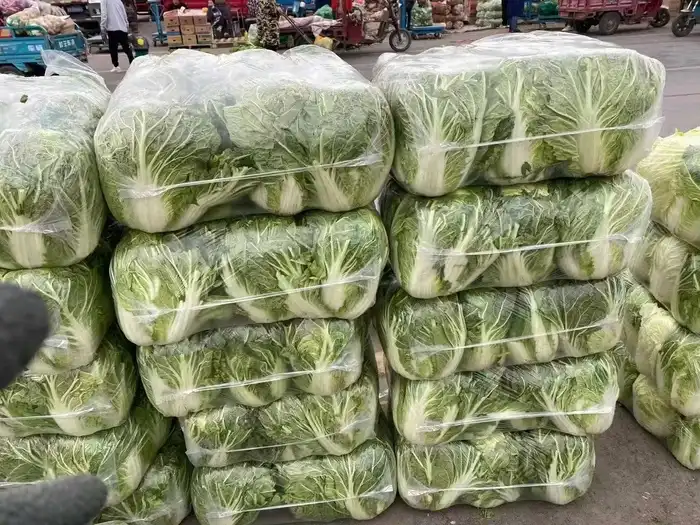
Understanding the Key Factors in Choosing HDPE Produce Transport Bags
Before you make a big order, it's helpful to know what the numbers on a data sheet really mean.
What "Microns" and "Mils" Mean for Film Thickness?
A micrometer (μm) or mil is a film thickness unit. One mil is equivalent to 25.4 μm. Bags that are rated 18 µm are much less prone to acquire holes than bags that are rated 10 µm. Less than 18 μm and it will probably break if you keep lugging huge root vegetables like potatoes or onions over rocky roads.
How Size Affects Load Distribution
Also the bag size will impact how the weight is distributed on the film. If the bag is too large and the food sloshes around within, it puts a lot of stress on the bottom seal. The correct sized bag is preferable since it spreads out the burden properly and keeps the contents snugly within. Also, the bottom seal is less prone to fail and this is one of the key concerns from fleet dispatch managers.
Certifications That Matter to B2B Buyers
For supermarkets, there are just two certifications that may be utilized for export or supply chains. These include ASTM D882/D1709 (tensile and impact performance) and FDA 21 CFR 177.1520 (food-contact safety). People buying products frequently skip this step and it is sent back to the receiving dock for breaking the regulations.
Segmenting User Needs to Select Optimal Bag Specifications
Not every person needs the same bag. When you match the specs to your business, you don't spend too much or not get enough back from your investment.
Matching Thickness to Produce Type
Thick, pointed fruits and vegetables like apples, watermelons and sweet potatoes require 20–25 μm film. Bell peppers, tiny vegetables, etc. may do nicely at 15-18 μm (smoother, lighter stuff). The roughness of the surface is what is significant. HDPE produce transport bags need to be strengthened at the point of contact with the sharp edge, so that the bags do not develop small rips during transportation over long distances.
Adjusting for Transport Conditions
HDPE materials that can still be bent at -20°C are needed for cold chain processes. Plain film can become weak and crack when it goes from a warm loading dock to a cold trailer. If you have to work with blast-freeze, look for bags that have been tested to -50°C.
Customization by Business Model
It's best for bulk companies to have all cars with the same sizes. This cuts down on loading time and makes it easy to understand specs. People who ship goods to people in Eastern Europe or the Middle East often need to print them in two languages and cover them with clear film to keep light-sensitive items safe. When retail pre-packers use VFFS lines, the sizes of the items they need to pack need to be very accurate so that the machines don't get stuck.
Comparing HDPE Produce Transport Bags with Alternatives: Size and Thickness Considerations
HDPE is not the only option on the market, but it holds distinct advantages worth understanding before you compare quotes.
HDPE vs. Polypropylene (PP) Woven Bags
The usual way to carry bulk product has been in PP woven bags, however these collect moisture at the weave intersections, which increases microbial development during multi-day hauls. In comparison, HDPE film bags have an impervious surface that resists moisture infiltration. HDPE bags are also more lightweight with comparable load ratings, decreasing the per-vehicle payload weight.
Lightweight vs. Heavy-Duty HDPE Grades
Here are the core distinctions between the two grades:
- 8–15 μm (light weight): Best for retail pre-pack units <10 kg, short-haul distribution, and smooth surface product. Lower material cost per unit . But not for hard handling situations .
- 18–25 μm (heavy-duty): For bulk weights of 20–35 kg, long-distance refrigerated transport and product with sharp protrusions. The bottom-seal heat-bond strength should test at >=80% of the film tensile strength to avoid seal failure under stacking pressure.
Selecting the wrong grade is a common error that shows up only after the first long-haul complaint — not during the initial sample review.
Ventilated vs. Sealed Designs
Sealed HDPE produce transport bags lock in moisture, which works well for firm root vegetables that don't need active gas exchange. Ventilated bags with micro-perforations suit climacteric fruits like bananas and pears that continue ripening after harvest. Choosing the wrong design shortens shelf life regardless of how well the film itself performs.
Practical Guidelines to Determine the Right Size and Thickness
Once you understand the variables, the selection process becomes straightforward.
Step-by-Step Sizing Calculation
Calculate the maximum size of your packed produce unit, then add 15 - 20% to each dimension for handling clearance. A bag of about 65 × 45 cm with a 22 μm wall takes the weight for a typical 25 kilogram potato pack of 55 × 35 cm when full, without the additional slack that leads to internal displacement.
Balancing Cost and Performance
Thicker film is more expensive per unit, but decreases claim rates. Fleets that converted from 12 micron to 20 micron film reported a meaningful reduction in in-transit breakage rates that compensated the additional bag cost in two to three haul cycles. HDPE is also Resin Identification Code 2, which is generally accepted in post-consumer recycling processes, therefore thicker gage film doesn’t always entail a bigger environmental imprint per kilogram of goods supplied.
Working With Your Supplier on Specs
A provider with in-house blown film capacity may alter density and gage throughout the manufacturing process rather than pushing you into a catalog size. Order samples at the desired thickness and put them through a cold-chain cycle test—at least two weeks on a live route—before committing to full volume. Suppliers with 24 hour sample turnaround and test data on file greatly reduce this validation step.
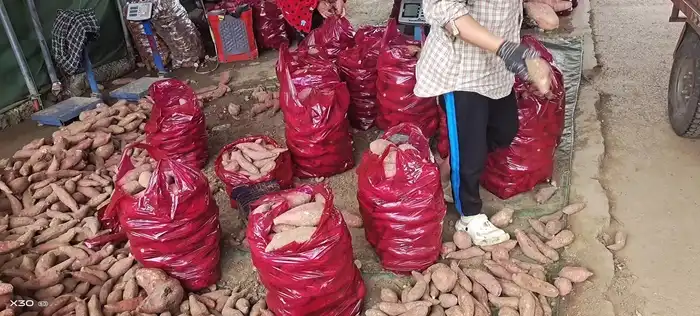
Maintaining and Maximizing the Lifespan of Your HDPE Produce Transport Bags
Most bulk transport bags are only meant to be used once, but if you handle them right before and during use, they will last longer and not break down as quickly.
Storage Conditions That Preserve Film Integrity
Keep unused HDPE produce transport bags out of direct UV light and heat sources that are above 40°C. It's possible for holes to appear in HDPE film before it's even full because UV light breaks it down at the molecular level. An air-conditioned warehouse bay in the shade is enough; there's no need for anything else.
Preventing Adhesion During Summer Loading
It can be slow on the dock when it's hot outside in the summer because the sides of bags can stick together. Adding an anti-blocking agent to the resin solution makes the bags easily separate, even at room temperature (35°C), so the loading process can go on as planned.
Knowing When to Replace
Look for small tears at the handle joint and the bottom seal before putting heavy things in HDPE produce transport bags. If you can see bleaching along a fold line, that means there are weak spots. Those units need to be changed right away. There is a chance that the additives will not work as well after more than 24 months, so you should test a sample of the bags before putting them to use in the field.
Conclusion
Not just how cold it is and how good the roads are matter when it comes to getting food to market without damage with HDPE produce transport bags. In this case, the bag itself is to blame. If you want a reliable supply chain, you need to match the film thickness to the load weight, make sure the cold chain can handle the temperature, and check that the food-contact certification is correct. First, try it out on real routes to see how well it works. If it works well, move on to bigger projects.
FAQ
What thickness should I use for bags carrying 25–35 kg of root vegetables?
For loads in the 25–35 kg range — potatoes, onions, carrots — use 20–25 μm film with a bottom-seal bond strength tested to ≥80% of film tensile strength. This range handles road vibration and stack pressure without adding unnecessary material cost.
Are HDPE produce bags safe for direct food contact?
Yes, provided the resin meets FDA 21 CFR 177.1520 or EU 10/2011 migration limits. Always request the supplier's food-contact compliance documentation before approving a production run.
Can I order bags in custom sizes for my fleet's standard pallet configuration?
Yes. Most manufacturers with in-house blown-film lines can adjust width, length, and gusset depth to match your specific pallet or bin dimensions. Confirm minimum order quantities and lead times before finalizing specs.
Do ventilation holes weaken the bag?
Micro-perforations reduce total film area by a small percentage, which has a minor effect on overall tensile strength. For produce that needs active gas exchange, the freshness benefit outweighs the marginal strength reduction. For dense root vegetables, sealed bags remain the stronger choice.
Is HDPE recyclable after use in produce transport?
HDPE carries Resin Identification Code 2 and is accepted by most post-consumer recycling programs. Clean, dry bags re-enter the plastics supply chain effectively, supporting circular economy goals in the agricultural sector.
Get the Right Bags for Your Operation — Contact Luming Plastic Today
Luming Plastic makes three different types of HDPE produce transport bags that can hold different amounts of weight: 5–10 kg, 10–15 kg, and 25–35 kg. The film width is between 8 and 25 microns, and all of them are approved by ASTM D1709 and FDA 21 CFR 177.1520. Our company has been making direct HDPE produce transport bags for 30 years. It takes us 15 minutes to answer questions and 24 hours to send samples. Just email us at sales@lumingplastic.com to find out more.
References
1. ASTM International. Standard Test Method for Tensile Properties of Thin Plastic Sheeting (ASTM D882). ASTM International, 2018.
2. ASTM International. Standard Test Method for Impact Resistance of Plastic Film by the Free-Falling Dart Method (ASTM D1709). ASTM International, 2016.
3. U.S. Food and Drug Administration. Indirect Food Additives: Polymers — 21 CFR 177.1520 (Olefin Polymers). FDA, 2023.
4. European Commission. Regulation (EU) No 10/2011 on Plastic Materials and Articles Intended to Contact Food. Official Journal of the European Union, 2011.
5. Marsh, K., & Bugusu, B. "Food Packaging — Roles, Materials, and Environmental Issues." Journal of Food Science, Vol. 72, No. 3, 2007.
6. Raghavan, G. S. V., & Gariépy, Y. "Postharvest Handling and Storage of Produce: Engineering Principles and Applications." Postharvest Biology and Technology, Elsevier, 2002.
Get customized packaging solutions with fast professional support.