- English
- French
- German
- Portuguese
- Spanish
- Russian
- Japanese
- Korean
- Arabic
- Greek
- German
- Turkish
- Italian
- Danish
- Romanian
- Indonesian
- Czech
- Afrikaans
- Swedish
- Polish
- Basque
- Catalan
- Esperanto
- Hindi
- Lao
- Albanian
- Amharic
- Armenian
- Azerbaijani
- Belarusian
- Bengali
- Bosnian
- Bulgarian
- Cebuano
- Chichewa
- Corsican
- Croatian
- Dutch
- Estonian
- Filipino
- Finnish
- Frisian
- Galician
- Georgian
- Gujarati
- Haitian
- Hausa
- Hawaiian
- Hebrew
- Hmong
- Hungarian
- Icelandic
- Igbo
- Javanese
- Kannada
- Kazakh
- Khmer
- Kurdish
- Kyrgyz
- Latin
- Latvian
- Lithuanian
- Luxembou..
- Macedonian
- Malagasy
- Malay
- Malayalam
- Maltese
- Maori
- Marathi
- Mongolian
- Burmese
- Nepali
- Norwegian
- Pashto
- Persian
- Punjabi
- Serbian
- Sesotho
- Sinhala
- Slovak
- Slovenian
- Somali
- Samoan
- Scots Gaelic
- Shona
- Sindhi
- Sundanese
- Swahili
- Tajik
- Tamil
- Telugu
- Thai
- Ukrainian
- Urdu
- Uzbek
- Vietnamese
- Welsh
- Xhosa
- Yiddish
- Yoruba
- Zulu
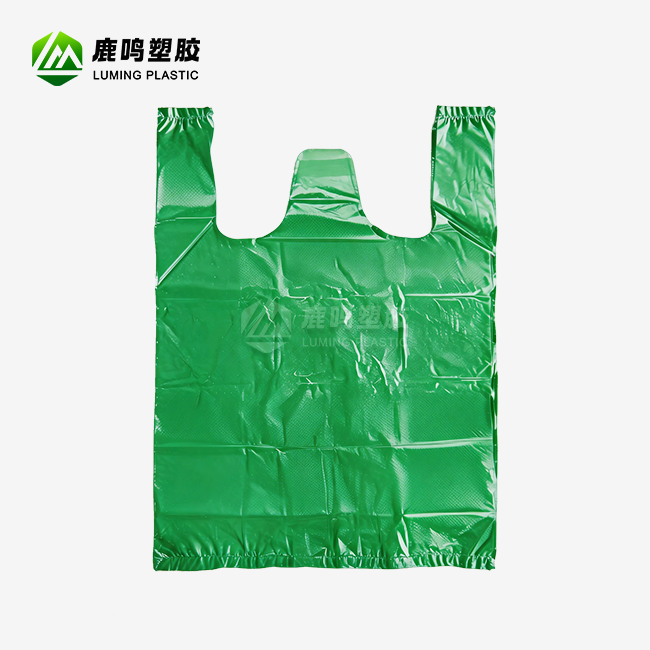
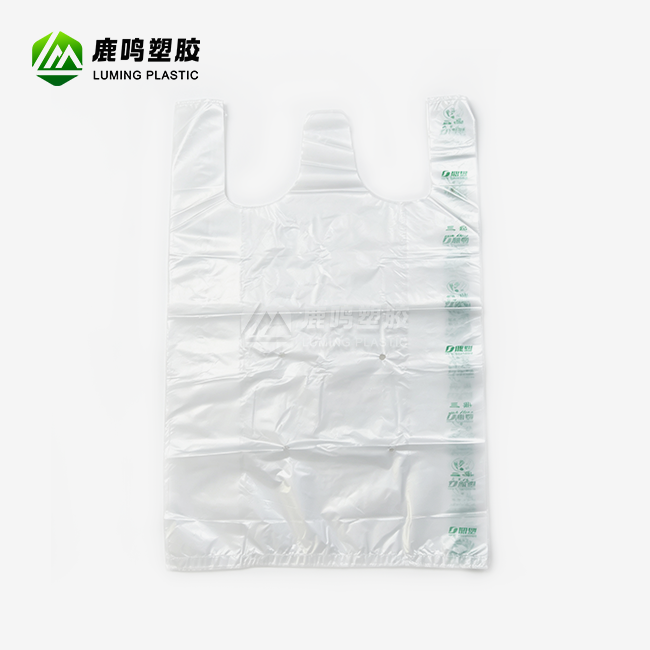
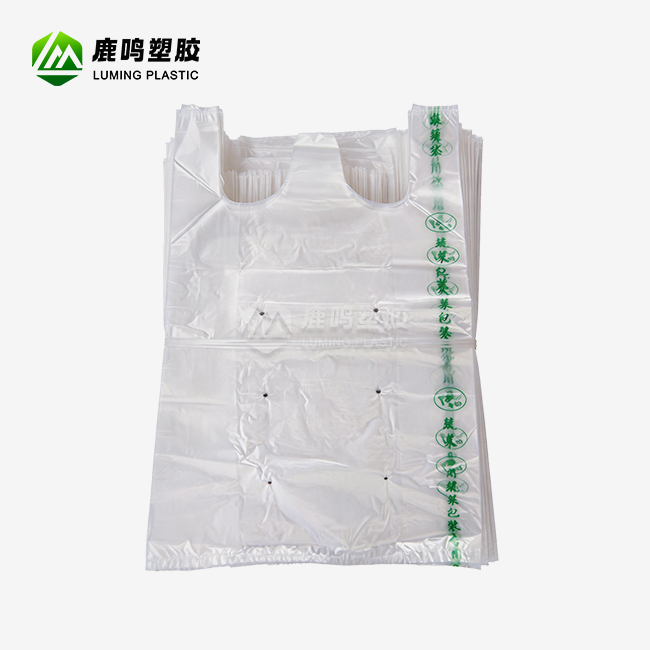
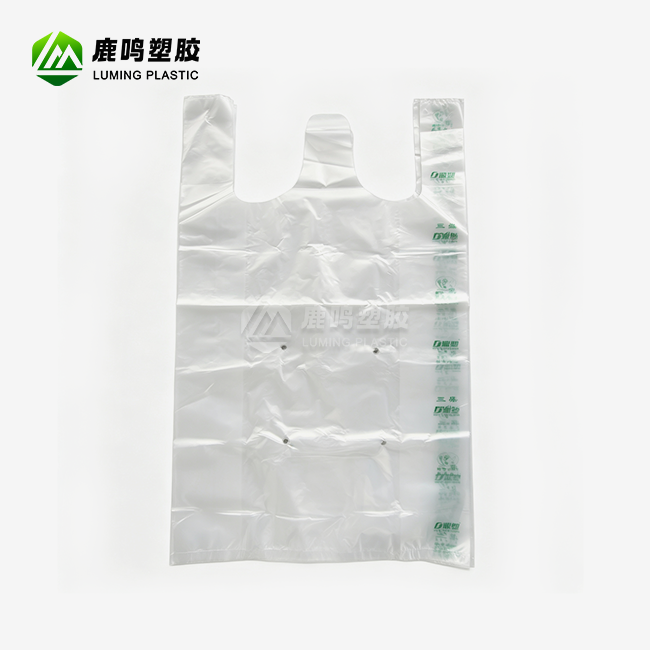
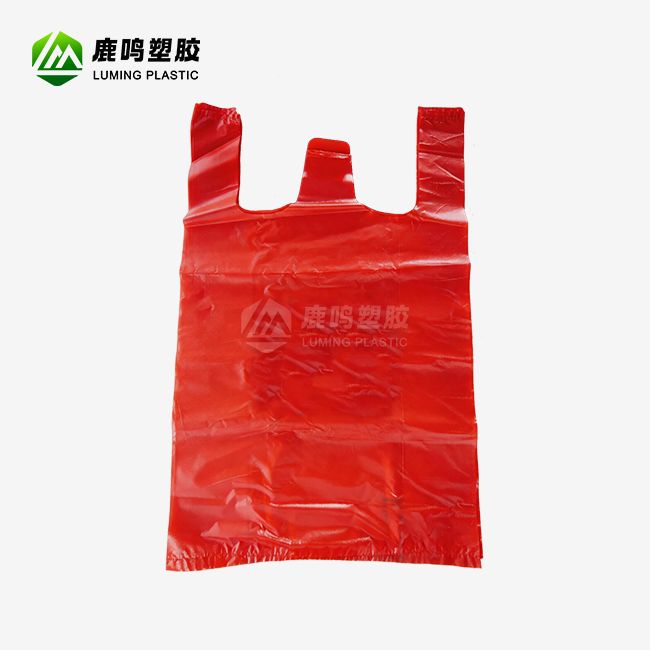
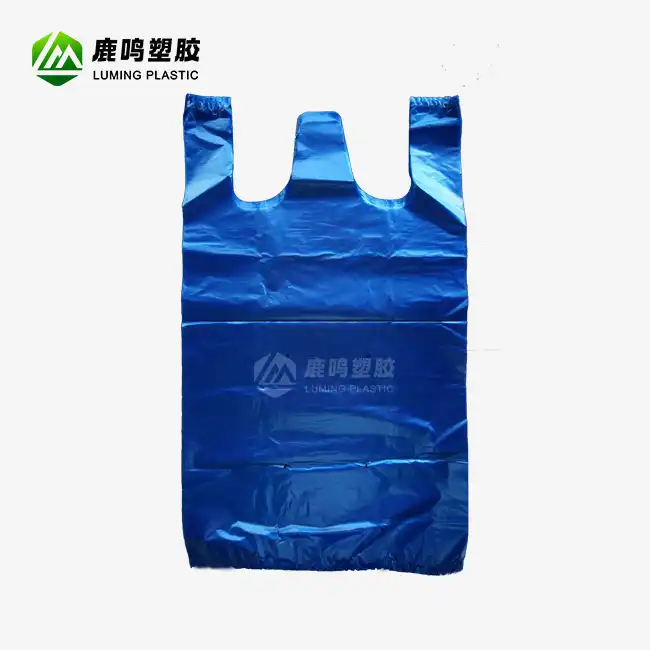
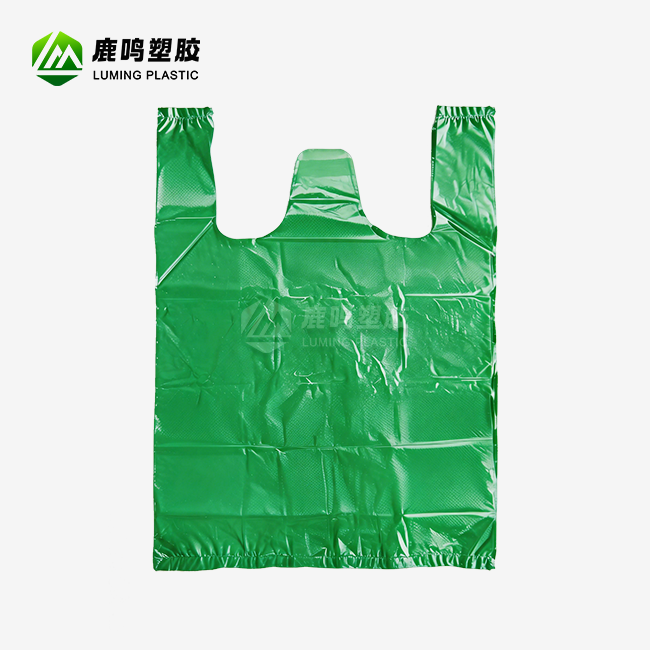
HDPE Produce Transport Bags
2. High rigidity, maintains shape without sagging
3. Abrasion and tear resistant, durable for long-distance transit
4. Designed for produce and fresh food packaging
5. Direct factory supply with consistent quality
6. Multiple sizes and grammages available, fully customizable
HDPE Produce Transport Bags: Professional Food-Grade Packaging Solutions for Agricultural Cold Chain Logistics
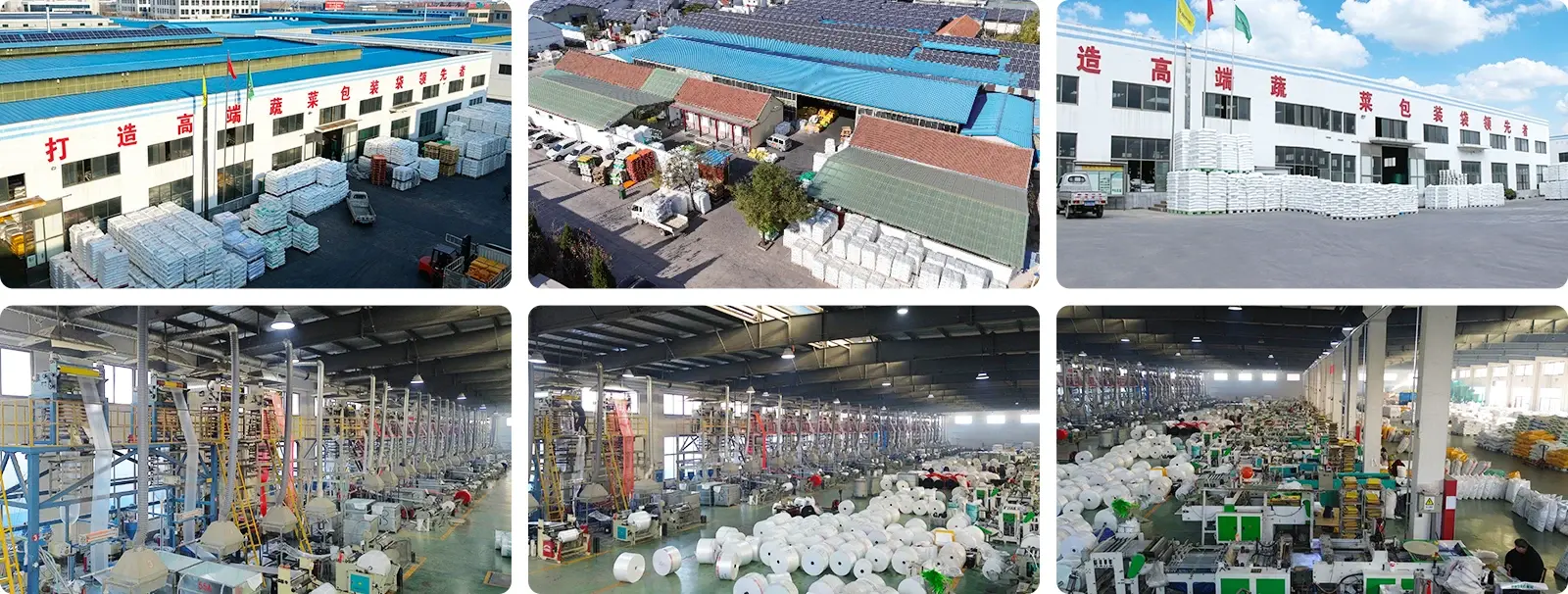
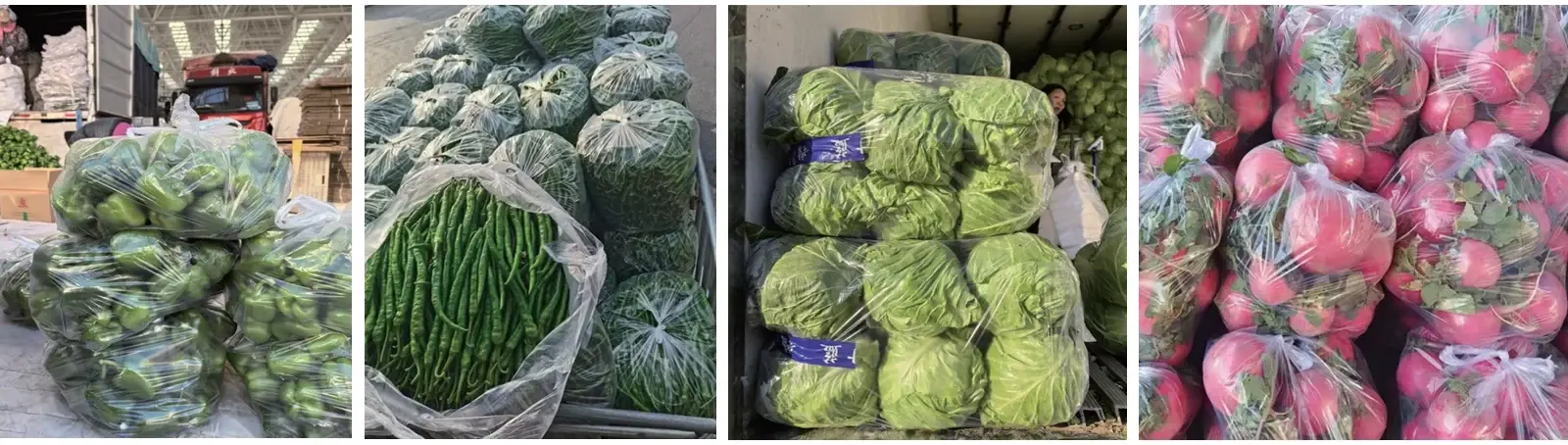
Rizhao Luming Plastic Technology Co., Ltd. manufactures heavy‑duty HDPE Produce Transport Bags, purpose‑built for agricultural cold‑chain logistics and bulk fresh produce distribution. We run a 16,500 m² production plant equipped with over 100 advanced processing units, supporting monthly output of hundreds of millions of vegetable packaging bags. Made from 100 % virgin food‑grade HDPE resin, our products are offered in three load‑bearing grades: 5‑10 kg, 10‑15 kg and 25‑35 kg. The seamless T‑shirt handle spreads weight evenly across the bag body to stop handle tearing during transit. All items satisfy global food‑safety standards, with full customization available for size, film thickness, colour and logo printing.
Why Industrial HDPE Material Outperforms Standard Packaging
HDPE has certain advantages for agricultural transportation. Even in thin sheets, its semi-crystalline structure (0.941–0.965 g/cm³) provides exceptional tensile strength.
During multi-stage handling, it can tolerate mechanical stress and survive punctures from sharp stems and rough products.
Dehydration in cold storage is slowed by a strong moisture barrier. Farm wastes and fruit acids may be tolerated by chemically inert HDPE without contaminating products.
It is appropriate for blast freezing and necessary heat sterilizing and operates between -50°C and 130°C.
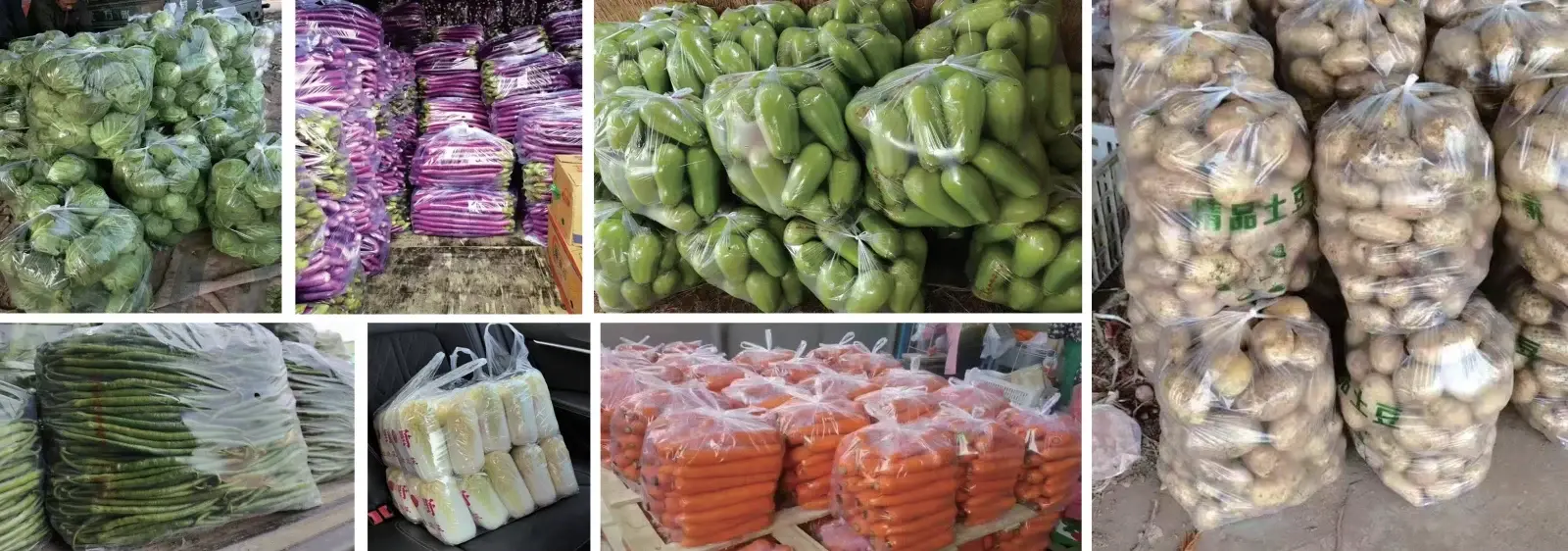
Engineering Specifications and Material Properties
HDPE Produce Transport Bags are engineered to cope with stress from industrial packing lines and long‑distance haulage. Key technical parameters are listed below:
| Parameter | Specification |
|---|---|
| Material Composition | 100% Virgin HDPE Resin |
| Density Range | 0.941–0.965 g/cm³ |
| Film Thickness | 8–25 microns (customizable) |
| Tensile Strength | Complies with ASTM D882 |
| Dart Impact Resistance | Tested per ASTM D1709 |
| Load Capacity Options | 5-10 kg / 10-15 kg / 25-35 kg |
| Temperature Tolerance | -50°C to +130°C |
| Food Contact Compliance | FDA 21 CFR 177.1520, EU 10/2011 |
| Handle Design | Seamless T-shirt style |
| Customization | Size, color, perforation, printing |
These specifications make the bags fully compatible with automatic vertical form‑fill‑seal machines and high‑speed packing operations.
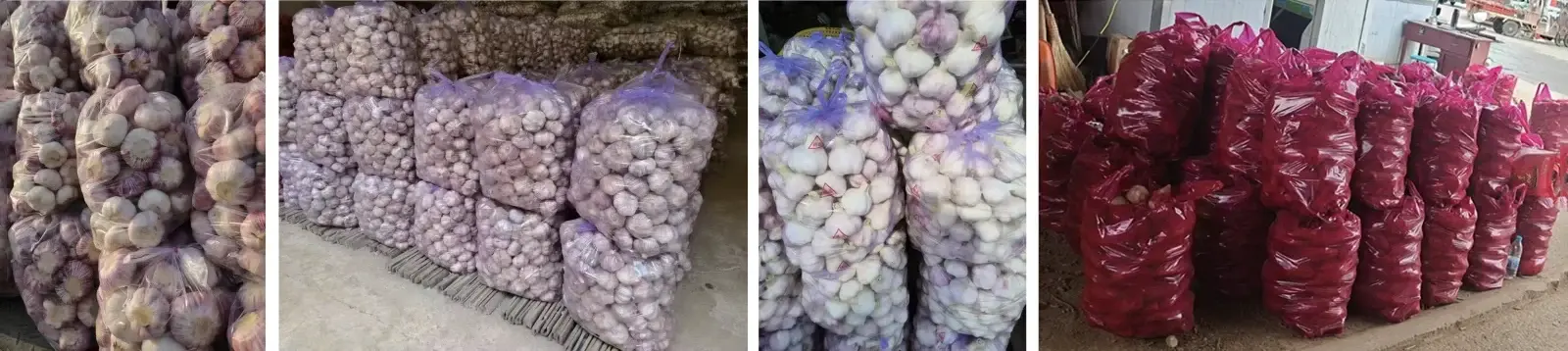
Application Scenarios Across the HDPE Produce Transport Bags
The agricultural adaptability of the bags is shown by three usage situations.
Carrots, potatoes, and radishes are transported in cold chain bulk using HDPE bags. They are resistant to abrasion and pallet stacking during chilled transportation.
Automated Retail Pre-Packaging: For citrus and apples, high modulus prevents deformation on high-speed VFFS lines, maintaining a tidy shelf look.
Field-to-Processing: Anti-fog bags reduce germs and allow visual inspections while protecting chopped vegetables and leafy greens after harvest.
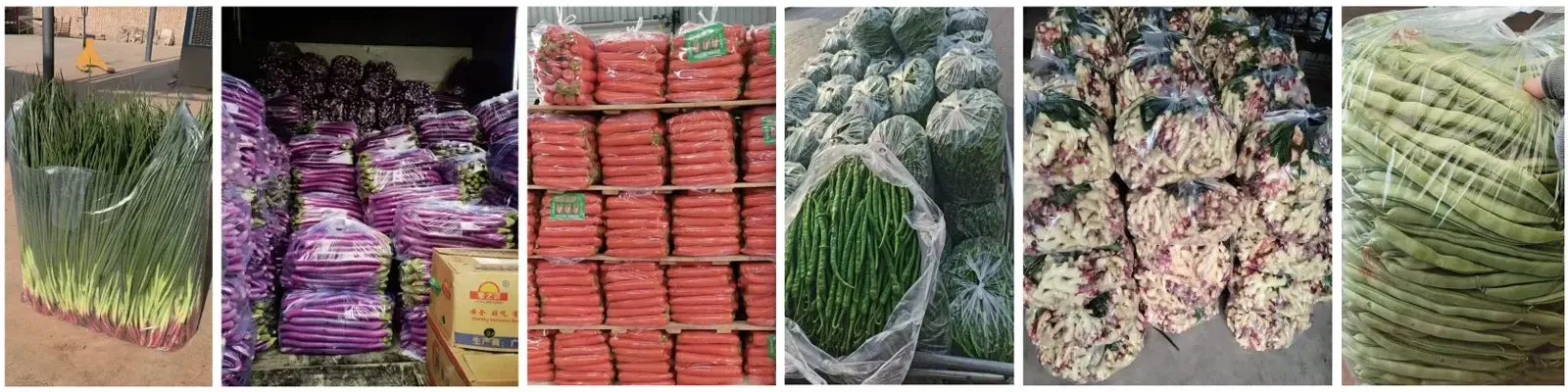
Rigorous Quality Control Protocols
Every batch is tested to ensure reliable performance and safety in interaction with food.
Tensile strength as evaluated in accordance with ASTM D882 to prevent splitting during filling and shipment.
According to ASTM D1709, dart impact testing is used to ensure that the film absorbs shocks for uneven, stemmed items.
Film thickness of the samples is measured using precision gages. Uniform thickness means no weak points to fail.
Food migration testing is performed according to FDA and EU standards and there is no migration of harmful chemicals to the manufacturing.
Testing of the heat seal confirms that the side and bottom seals will hold under significant loads.
Customization Options for Diverse Operational Requirements
Most applications work OK with normal sizes, but occasionally you need a custom solution for agricultural tasks.
You may choose micro or macro perforation according on the respiration rate of your goods. Proper vents manage O2 and CO2 for extended shelf life while in transit.
Textured HDPE still provides a crisp surface for custom flexo printing including logos, traceability codes and handling recommendations.
Opaque alternatives protect light-sensitive products against photooxidation during storage in addition to transparent film.
Thickness adjustment is a compromise between cost and protection.
Thicker film works better with sharp goods, whereas smoother things utilize thinner grades to minimize waste.
Sustainability and Circular Economy Integration
HDPE is designated with Resin Code 2 and is commonly recycled via most city recycling programs.
Good strength-to-weight ratio decreases plastic use. Thinner HDPE films provide the same protection, reducing the carbon impact per kilogram of goods sent.
Less greenhouse gas is emitted by Virgin HDPE than by several barrier films. In waste to energy plants it produces mostly water vapor and CO₂, no halogen pollutants.
We may use post-industrial recycled material and yet be certified food grade.” This closed loop system assists agricultural customers to meet sustainability objectives.

Frequently Asked Questions
Q1: For long-distance shipping, why choose HDPE over LDPE?
A1: At thinner gages, HDPE offers much greater stiffness and tensile strength. Through multi-stage handling, it provides improved puncture resistance and lowers the overall amount of plastic used.
Q2: Do these bags have openings for ventilation?
A2: Indeed. It is possible to custom-engineer micro- or macro-perforation patterns to match the respiration rate of your product and effectively regulate the amounts of O2 and CO2.
Q3: Are these bags BPA‑free and safe for direct food contact?
A3: Yes. Virgin HDPE is naturally BPA‑free. Migration testing confirms full compliance with FDA and EU food‑contact regulations.
Q4: How well do HDPE bags perform under sub‑zero conditions?
A4: HDPE keeps its mechanical strength and stays flexible down to ‑50 °C, well suited for blast freezing and cold‑chain cross‑border transport.
Q5: Is HDPE material recyclable?
A5: Yes. HDPE is Resin Identification Code 2, one of the most globally recyclable plastics, fitting circular‑economy goals for agricultural businesses.
Partner With a Proven Manufacturing Specialist
Get in touch with our team for technical datasheets, sample applications or volume‑based quotations. Our reliable HDPE Produce Transport Bags cover your full range of agricultural cold‑chain packaging demands. Please contact our team at sales@lumingplastic.com
Get customized packaging solutions with fast professional support.