- English
- French
- German
- Portuguese
- Spanish
- Russian
- Japanese
- Korean
- Arabic
- Greek
- German
- Turkish
- Italian
- Danish
- Romanian
- Indonesian
- Czech
- Afrikaans
- Swedish
- Polish
- Basque
- Catalan
- Esperanto
- Hindi
- Lao
- Albanian
- Amharic
- Armenian
- Azerbaijani
- Belarusian
- Bengali
- Bosnian
- Bulgarian
- Cebuano
- Chichewa
- Corsican
- Croatian
- Dutch
- Estonian
- Filipino
- Finnish
- Frisian
- Galician
- Georgian
- Gujarati
- Haitian
- Hausa
- Hawaiian
- Hebrew
- Hmong
- Hungarian
- Icelandic
- Igbo
- Javanese
- Kannada
- Kazakh
- Khmer
- Kurdish
- Kyrgyz
- Latin
- Latvian
- Lithuanian
- Luxembou..
- Macedonian
- Malagasy
- Malay
- Malayalam
- Maltese
- Maori
- Marathi
- Mongolian
- Burmese
- Nepali
- Norwegian
- Pashto
- Persian
- Punjabi
- Serbian
- Sesotho
- Sinhala
- Slovak
- Slovenian
- Somali
- Samoan
- Scots Gaelic
- Shona
- Sindhi
- Sundanese
- Swahili
- Tajik
- Tamil
- Telugu
- Thai
- Ukrainian
- Urdu
- Uzbek
- Vietnamese
- Welsh
- Xhosa
- Yiddish
- Yoruba
- Zulu
HDPE Bags in Agricultural Sector: Applications and Benefits
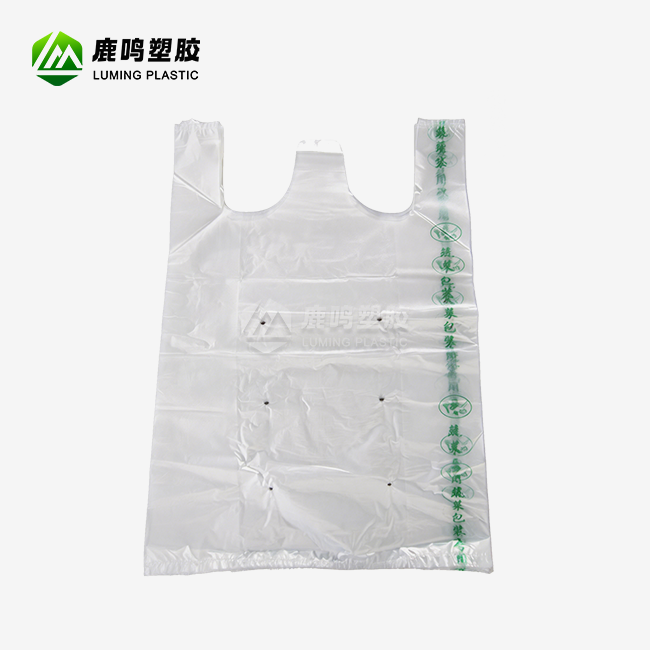
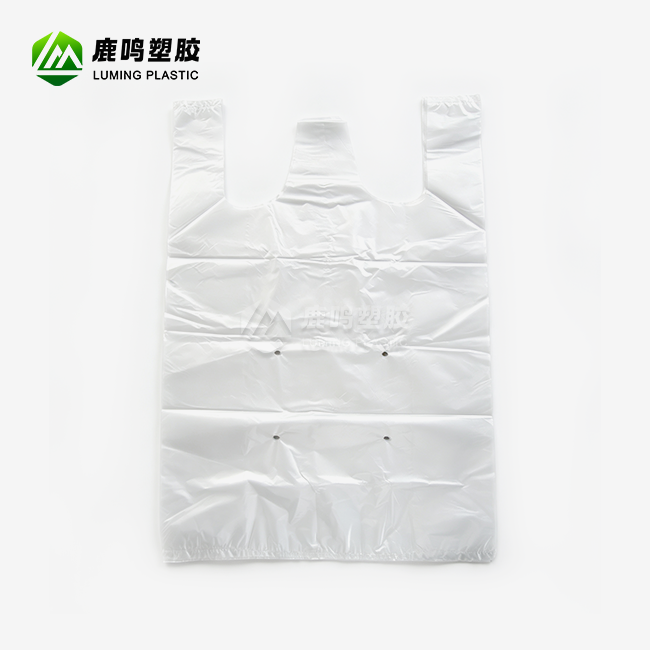
HDPE fruit and produce transport and fresh bags have become a go-to packaging choice across the global agricultural supply chain. Made from high-density polyethylene, these bags carry fresh vegetables and fruits from the field through wholesale markets and into retail stores without compromising product quality. Their ability to resist moisture, physical stress, and contamination makes them a practical tool for exporters, cooperatives, and supermarket chains alike. This article breaks down how these bags work, why they outperform alternatives, and what procurement managers should look for when sourcing them at scale.
Understanding HDPE Bags and Their Role in Agricultural Produce Transport
The physical and environmental needs of agricultural logistics are exactly what HDPE fruit and produce transport and fresh bags are made for. In contrast to regular polyethylene bags, they mix strength with managed permeability to keep food safe during multiple handling steps.
What Makes HDPE Different from Standard Plastic Bags
High-density polyethylene is made up of solid polymers and has a density range of 0.941 to 0.965 g/cm³. Compared to LDPE, this gives it a much higher tensile strength per unit of material. This means that bags can be made smaller while still being able to carry big loads. For fresh produce importers who move between 3,000 and 20,000 metric tons of fruit every year, this means lower costs per kilogram of fruit moved.
How These Bags Protect Produce During Transit
The low Moisture Vapor Transmission Rate (MVTR) of the material keeps soft fruits and leafy greens from drying out. Independent tests have shown that putting green veggies in HDPE bags can make them last up to 30% longer than if they were not packed. This is a big plus for long-distance cold chain logistics; it can mean the difference between a profitable shipment and one that is turned down.
Compliance Standards That Matter for Global Trade
Buyers who want to ship food into the US or EU must have certain paperwork. Luming Plastic makes HDPE T-shirt bags from only brand-new HDPE pellets that meet FDA 21 CFR 177.1520, EU 10/2011, and EC 1935/2004 standards. These approvals make sure that no harmful chemicals get into direct touch with food, which is a must for grocery stores and businesses that grow food for export.
Comparative Analysis: HDPE Bags vs. Other Produce Packaging Solutions
Picking the wrong packaging format costs money at every step, from handling in the field to showing off in stores. This is how HDPE bags compare to other popular types.
HDPE vs. LDPE Bags
At the same gage, LDPE bags are softer and more flexible, but they are also easier to puncture. "Downgauging" in HDPE means using thinner film to get the same or better performance. This saves money and material. This difference in price is big for supply managers who buy millions of bags every season.
HDPE vs. Mesh Sacks and Paper Bags
Mesh bags let a lot of air flow through but don't keep out moisture, so they can't be used for food that loses weight quickly while being shipped. When paper bags get wet, they soak up water and fall apart. HDPE bags are better for a wider range of fruits and vegetables, from citrus to stone fruits, because they protect against damage while still letting air flow through.
HDPE vs. Rigid Plastic Crates
Plastic crates can be used more than once, but they need to be returned, washed, and stored. HDPE bags are more cost-effective when they are exported for one-time use or sold in large quantities at wholesale markets where return logistics are not possible. They are also easy to store, stack, and move around on the field because they are much lighter.
Benefits of Using HDPE Bags in the Agricultural Supply Chain
There are more useful benefits of HDPE fruit and produce transport and fresh bags than just the way they are made. The issues they talk about are real ones that buying managers face every season.
These bags are the best choice for commercial farming because they do the following things better than other bags:
- Food-grade safety with direct contact compliance: Manufactured from 100% virgin HDPE pellets with no recycled content, the bags are inherently BPA-free and phthalate-free, making them safe for direct contact with fresh fruits and vegetables across international markets.
- Three load capacity tiers for different field needs: Available in 5–10 kg, 10–15 kg, and 25–35 kg configurations, the bags match the weight requirements of different produce types and handling stages, from retail self-service to wholesale distribution and farm-level harvest collection.
- Abrasion resistance for long-distance transport: The thickened HDPE film resists surface wear during stacking, loading, and cross-border transit, protecting both the bag and the produce inside throughout the entire logistics cycle.
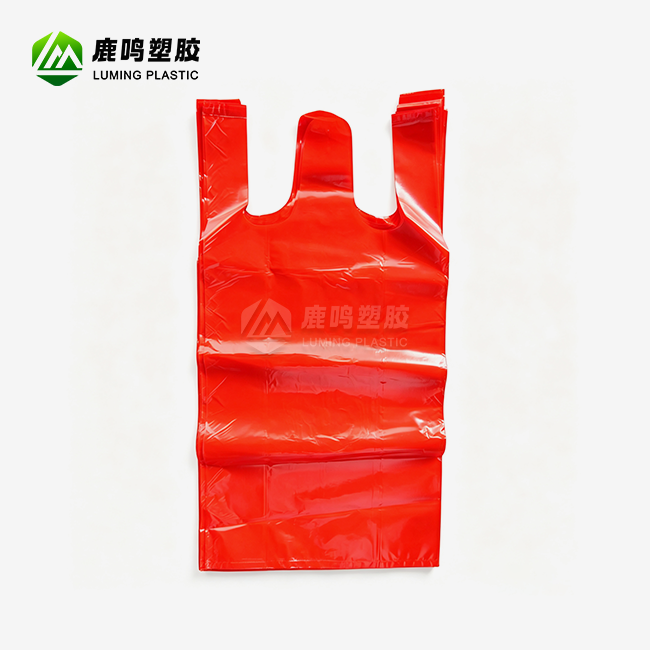
- Seamless one-piece handles for field ergonomics: The integrated T-shirt handle design eliminates stress points that cause tearing. Workers handling heavy bags repeatedly throughout a harvest shift benefit from a non-slip, comfortable grip that holds under load.
- Waterproof and moisture-resistant construction: Exposure to rain, irrigation runoff, or cold storage condensation does not compromise bag integrity, keeping produce dry and protected from external contamination.
Together, these benefits lower the amount of food that goes bad, cut down on the work needed to repackage it, and keep the quality of the way the food looks from harvesting to store display. Fewer packing problems mean fewer shipment delays for exporters who have to work with tight yearly windows.
How to Choose and Procure the Right HDPE Bags for Your Agricultural Business
There's more to choosing the right provider than just comparing prices. These are the standards that procurement managers with a lot of experience use.
Verify Weight and Thickness Consistency
Most people who have problems with this type of product say that the sample weight is different from the weight of production batches. Before placing a large order, ask a third party to measure the thickness (micrometer testing) of production samples. Testing for Dart Drop Impact (ASTM D1709) and Tensile Strength (ASTM D882) gives objective information on whether the bag works as expected.
Confirm MOQ and Delivery Flexibility
When a buyer's demand changes with the seasons, MOQ flexibility has a direct effect on the cost of inventory during slow months. Luming Plastic can handle custom orders of up to 5,000 pieces and keeps 500–800 tons of finished goods in stock. Standard custom orders are finished in 3–5 days, and stock orders are sent out within 24 hours.
Evaluate Customization and Printing Accuracy
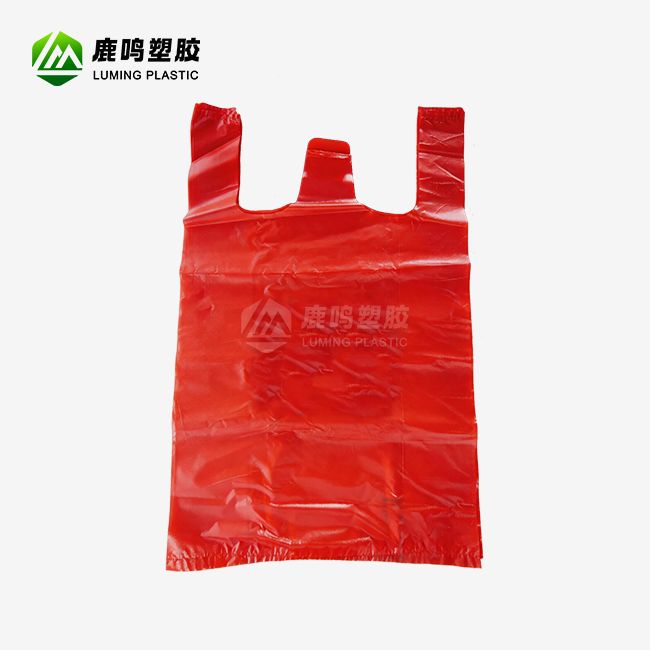
When buyers in bulk markets are trying to build a brand, they need image printing that is accurate in terms of color and batch consistency. Make sure you know how the supplier controls colors, and before any large run, get a signed pre-production proof. Luming Plastic can print in multiple colors on your orders, and samples can be sent to you within 24 hours of confirming your specifications.
Case Studies and Future Outlook of HDPE Bags in Agriculture
South-east Asian and Middle Eastern produce producers who switched from standard poly bags to thickened HDPE T-shirt bags for bulk shipping of citrus fruits and root vegetables say that damage during transit has been cut down by a noticeable amount. The better tear resistance during mechanical loading cut down on the cost of labor for repackaging at the ports of destination. OEM clients in supermarket private label programmes have used uniform batch specs to keep shelf presentation standards high across networks of stores in different regions.
In the future, HDPE technology will likely include anti-fog additives and UV-stabilised film types for markets that are outside. Under Resin Code 2, HDPE can also be recycled in its entirety. This is in line with retailers' promises to sustainability and avoids the need to switch to more expensive biodegradable options that might not be able to handle the same loads.
Conclusion
HDPE fruit and produce transport and fresh bags solve real problems all along the food supply chain, from harvesting on farms to displaying food in stores. They are a good choice for exporters, cooperatives, and supermarket procurement teams because they are food-grade compliant, can hold weight, don't absorb moisture, and can be customized. Compliance with FDA and EU food contact standards takes away regulatory risk, and the low minimum order quantity (MOQ) and short wait times allow for quick purchases during peak buying times. If your business ships or sells a lot of fresh food, you should take the time to find the right HDPE bag specification.
FAQ
Why choose HDPE over LDPE for produce transport bags?
HDPE delivers higher tensile strength at lower material thickness. This means better puncture resistance and reduced plastic use per bag—an advantage for both cost management and sustainability reporting.
Are these bags safe for direct food contact?
Yes. Bags manufactured from 100% virgin HDPE pellets and certified under FDA 21 CFR 177.1520 and EU 10/2011 meet food contact safety standards for direct produce packaging. They are inherently BPA-free and phthalate-free.
How do HDPE bags affect shelf life for leafy greens?
By maintaining a localised high-humidity microenvironment around the produce, HDPE bags reduce transpiration and can extend the shelf life of leafy greens by up to 30% compared to unpackaged produce.
Can HDPE bags be customised with brand logos?
Yes. Multi-colour logo printing is supported with batch-consistent colour control. Pre-production samples are available within 24 hours of specification confirmation.
What is the minimum order quantity?
Custom orders start from 5,000 pieces, with stock orders available for immediate despatch within 24 hours.
Get a Quote from Luming Plastic — Your Trusted HDPE Bag Supplier
Food-grade HDPE fruit and produce transport and fresh bags have been made by Luming Plastic for over 30 years. We have 500–800 tonnes in stock, can get samples to you in 24 hours, and have all the paperwork needed to comply with FDA and EU rules. This means we can meet the shipping and quality standards that farm exporters and retail procurement teams need. You can email our team at sales@lumingplastic.com to ask for samples or talk to our purchasing experts about your yearly volume needs.
References
1. Food and Agriculture Organization of the United Nations. Packaging and Packaging Materials in the Post-Harvest Handling of Horticultural Produce. FAO Agricultural Services Bulletin, 2020.
2. Marsh, K., & Bugusu, B. Food Packaging—Roles, Materials, and Environmental Issues. Journal of Food Science, 2007.
3. Kader, A. A. Postharvest Technology of Horticultural Crops (3rd ed.). University of California Agriculture and Natural Resources, 2002.
4. ASTM International. Standard Test Method for Impact Resistance of Plastic Film by the Free-Falling Dart Method (ASTM D1709). ASTM International, 2016.
5. European Food Safety Authority (EFSA). Scientific Opinion on the Safety Assessment of Plastic Materials Regulated Under EU No 10/2011. EFSA Journal, 2019.
6. PlasticsEurope. Plastics — the Facts: An Analysis of European Plastics Production, Demand and Waste Data. PlasticsEurope Industry Report, 2022.
Get customized packaging solutions with fast professional support.