- English
- French
- German
- Portuguese
- Spanish
- Russian
- Japanese
- Korean
- Arabic
- Greek
- German
- Turkish
- Italian
- Danish
- Romanian
- Indonesian
- Czech
- Afrikaans
- Swedish
- Polish
- Basque
- Catalan
- Esperanto
- Hindi
- Lao
- Albanian
- Amharic
- Armenian
- Azerbaijani
- Belarusian
- Bengali
- Bosnian
- Bulgarian
- Cebuano
- Chichewa
- Corsican
- Croatian
- Dutch
- Estonian
- Filipino
- Finnish
- Frisian
- Galician
- Georgian
- Gujarati
- Haitian
- Hausa
- Hawaiian
- Hebrew
- Hmong
- Hungarian
- Icelandic
- Igbo
- Javanese
- Kannada
- Kazakh
- Khmer
- Kurdish
- Kyrgyz
- Latin
- Latvian
- Lithuanian
- Luxembou..
- Macedonian
- Malagasy
- Malay
- Malayalam
- Maltese
- Maori
- Marathi
- Mongolian
- Burmese
- Nepali
- Norwegian
- Pashto
- Persian
- Punjabi
- Serbian
- Sesotho
- Sinhala
- Slovak
- Slovenian
- Somali
- Samoan
- Scots Gaelic
- Shona
- Sindhi
- Sundanese
- Swahili
- Tajik
- Tamil
- Telugu
- Thai
- Ukrainian
- Urdu
- Uzbek
- Vietnamese
- Welsh
- Xhosa
- Yiddish
- Yoruba
- Zulu
How to Select HDPE Produce Transport Bags for Supermarkets
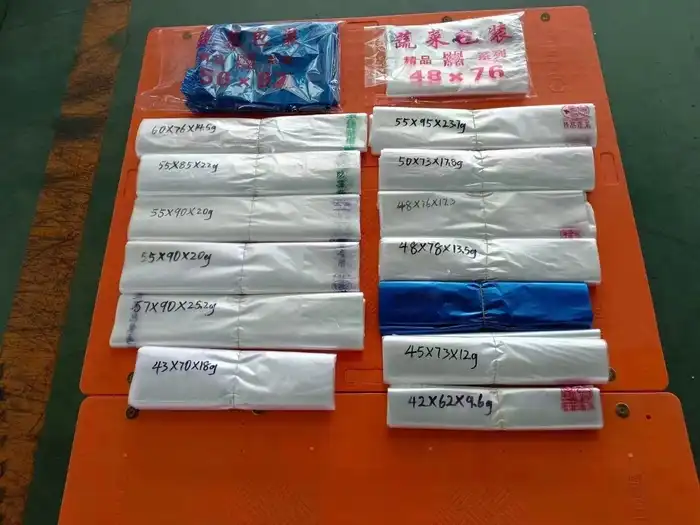
If you are looking for packaging for fresh produce distribution, the correct HDPE produce transport bags https://www.lumingplastic.com/hdpe-t-shirt-bags/hdpe-produce-transport-bagsyou pick may directly impact your loss rate, compliance position and per-truck operational cost. These are industrial quality polyethylene carriers designed for long haul cold chain operations, not run-of-the-mill retail sleeves. The right standard – often 18-25 micron thick and rated to take 20-35kg – can withstand everything from potatoes to watermelons without seal failure or film brittleness. This manual leads procurement managers through the primary selection criteria, comparisons of materials and supplier evaluation phases needed to ensure a sensible purchasing option.
Understanding HDPE Produce Transport Bags and Their Benefits
One such performance tier much beyond ordinary purpose film packaging is high density polyethylene (HDPE) bags. The semi-crystalline molecular framework with a density of 0.941 to 0.965 g/cm3 achieves exceptional puncture resistance at film gages as thin as 8 to 25 microns.
Why Material Choice Matters in Cold Chain Logistics?
Temperature variations from 35°C down to -20°C are common between field harvest and refrigerated transport. Under these circumstances, standard low density films become brittle. HDPE is still flexible down to -50°C and this is why cold chain operators constantly report fewer burst-bag occurrences when they move from woven polypropylene sacks.
Moisture Barrier and Freshness Retention
The low water vapor transfer rate of HDPE decreases the rate of moisture loss from the surface of pome fruit and root vegetables throughout several days of shipment. This physical barrier function directly decreases disputes between producers and wholesale customers via less weight loss from shrinking.
Compliance Credentials That Buyers Require
Supermarket procurement teams in the United States increasingly mandate food-contact documentation before approving a new packaging supplier. HDPE produce transport bags produced from 100% virgin HDPE resin and tested under FDA 21 CFR 177.1520 and EU 10/2011 meet the migration-limit thresholds that major retail chains and export customers audit. Certifications under ASTM D882 and ASTM D1709 validate tensile and impact performance in writing.
Core Criteria for Selecting Fresh Produce Packaging Bags in Supermarkets
Getting the spec incorrect is costly two times over: Once in product damage during transportation, and again in stock returns at the distribution center. These are the main selection criteria that are the most important for supermarket supplier chains.
Load Capacity Matched to Product Type
Onions, potatoes and apples are sent in bags with an average fill of 20 to 35 kg each bag. If you choose a bag beneath this level, you are inviting a failure at the bottom seal in long haul vehicles under vibration pressure. Luming Plastic has three certified load classes: 5-10 kg, 10-15 kg and 25-35 kg. All grades are tested in actual stacking settings and the seal checked.
Ventilation Design for Respiration Management
Without controlled gas exchange, ethylene builds up inside sealed bags, accelerating ripening and spoilage. Micro-perforation patterns, spaced to match the specific respiration rate of each crop, balance O₂ and CO₂ levels throughout transit. This engineering detail is particularly important for leafy greens and stone fruits that move through ambient-temperature legs of the supply chain.
Film Thickness and Heat-Seal Strength
The 18 to 25 micron standard with bottom heat seal strength of not less than 80% of base film strength will prevent against shock loads associated with mechanical unloading. When bags pass ASTM D1709 dart-impact testing at the specified gage, procurement managers have documented evidence of mechanical reliability, and that evidence is critical when a wholesale client makes a claim for damage.
Comparing HDPE Bags with Alternative Produce Transport Options
There is no ideal material, but HDPE always outperforms alternative options in the strength, food safety and recycling that grocery store supply chains need.
The sharp bag fibers can damage soft product skin when they rub against it. Welded polypropylene bags can hold a lot of weight. Jute bags help with sustainable natural fiber goals, but they soak up water, which lets mold grow during cold chain hauls that last more than one day. For garlic and citrus products, mesh bags let a lot of air flow through them. However, they don't keep out water and tear easily when they're handled by machines at delivery centers, unlike HDPE produce transport bags.
HDPE film bags will not be broken by these three items. They can’t hurt them with agricultural trash or fruit juices that are too acidic. They're made of BPA-free items and are recyclable in most U.S. states and EU partner countries with Resin Identification Code 2 systems. Virgin-resin grades include no colors or plasticizers, which makes it simpler for organic food retailers to comply with the standards.
Procurement Insights for Purchasing Bulk Produce Bags
It's not enough to just compare prices per unit to find the best provider. How stable the supply chain is, how well the paperwork is done, and how much customization is done all affect how much it costs to buy everything for a whole season.
Here are some things that always set reliable suppliers of produce bags apart from those who just sell bags:
- Factory certifications on file: FDA 21 CFR 177.1520, EU 10/2011, and ISO 9001 equivalent quality systems, which certify test findings that can be reproduced from production batches, not only the sample roll.
- Stock depth and replenishment speed : A supplier with 500–800 tons of finished inventory and 8–10 tons of daily in-house output can ship stock orders within 24 hours and custom orders in 3–7 days — a replenishment rhythm that fits the 2–4 week reorder cycle that fleet-scale buyers typically use.
- Custom printing capabilities: High-resolution flexographic printing on HDPE allows for brand logos, barcode traceability and multi-language handling instructions, which are increasingly required by supermarket chains from first-tier produce suppliers.
- Low minimum order numbers 5,000-piece minimum order quantity enables procurement managers to undertake route-specific experiments before committing to full-season volume – lowering switching risk during the first certification period.
Practical Recommendations for Supermarket Procurement Managers
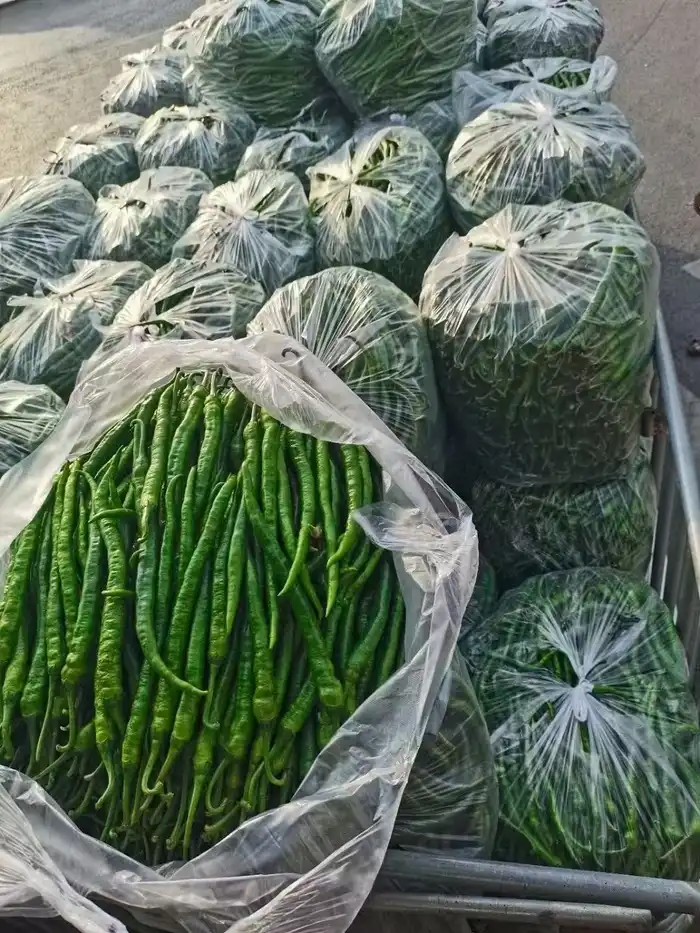
The use of specification-grade HDPE bags instead of woven sacks offers two distinct advantages: products are less prone to damage during long-haul transportation and quicker loading, since bags of standard sizes are more uniform when stacking and palletizing. A well-structured qualifying approach may help you prevent undesirable outcomes. Ask for samples and test the cold chain for two weeks on at least two popular routes before granting a source full season volume. Repeat multiple times moving from cold to room temperature and check the strength of the seal. Check also if the film will be sticky during summer loading at room temperature. Lastly, check that the bag dimensions do not vary across rolls from various manufacturing batches. Once a vendor is authorized, choose two or three sizes that will cover all of your fruit and veggies. This simplifies your SKUs in the warehouse and offers the seller enough volume per SKU to maintain raw material lots the same, which directly keeps quality the same from order to order.
Conclusion
Picking the correct farm film bags for grocery store supply lines impacts all three: the quality of the food, the cost of transportation, and compliance. When ordered with the right gage and seal strength, HDPE produce transport bags are better in all three ways than natural fiber and braided film. There are three things that must be in place: valid food-contact certifications, written mechanical test data, and a supplier who can fill orders quickly. If you sell heavy fruits and vegetables, make sure the load rate matches that. Also, check that the ventilation design works with the plants you grow, and do an organized cold chain trial before you commit to the whole season. Because of these steps, relationships with suppliers last for a long time, and transit loss goes down by a lot.
FAQ
Are HDPE produce bags safe for direct food contact?
Yes. Bags produced from 100% virgin HDPE resin and tested under FDA 21 CFR 177.1520 and EU 10/2011 meet global migration-limit thresholds for direct food contact. No BPA is present in virgin HDPE by material chemistry.
What load rating should I specify for potatoes and onions?
The 25–35 kg load grade covers most bulk root-vegetable applications. Confirm that the supplier has tested bottom heat-seal strength at this fill weight under dynamic vibration conditions, not just static load.
How do HDPE bags perform in blast-freeze conditions?
HDPE retains structural integrity and film flexibility down to -50°C, making it compatible with blast-freeze cycles. Standard LDPE becomes brittle below -20°C, which is why cold chain operators specify HDPE for refrigerated transport routes.
What is a realistic lead time for a custom-printed order?
Suppliers maintaining deep raw-material stock can typically complete standard custom orders in 3–5 days and complex multi-color print jobs in 7–10 days. Request a written production schedule with your purchase order.
Can these bags be recycled through standard U.S. programs?
HDPE carries Resin Identification Code 2, accepted by most U.S. municipal recycling programs and a growing number of retail take-back schemes, supporting circular economy goals in supermarket sustainability reporting.
Request Samples from Luming Plastic — HDPE Produce Transport Bag Manufacturer
It takes Luming Plastic 24 hours to send out qualification samples and 15 minutes to answer technical questions. We make direct HDPE produce transport bags. Our plant is 16,500 m², we've been in business for 30 years, and we have all the FDA/EU food-contact paperwork on file. Buyers in North America and other places can place stock orders, have special print runs made, or use our FOB export programs. Send an email to sales@lumingplastic.com with your needs to get a sample pack right away.
References
1. ASTM International. ASTM D882: Standard Test Method for Tensile Properties of Thin Plastic Sheeting. ASTM International, 2018.
2. ASTM International. ASTM D1709: Standard Test Methods for Impact Resistance of Plastic Film by the Free-Falling Dart Method. ASTM International, 2016.
3. U.S. Food and Drug Administration. CFR Title 21, Part 177.1520 — Olefin Polymers. FDA, 2023.
4. European Commission. Regulation (EU) No 10/2011 on Plastic Materials and Articles Intended to Contact Food. Official Journal of the European Union, 2011.
5. Marsh, K., & Bugusu, B. "Food Packaging — Roles, Materials, and Environmental Issues." Journal of Food Science, Vol. 72, No. 3, 2007.
6. Raghavan, G. S. V., & Rennie, T. J. "Post-Harvest Technologies for Fresh Produce: Packaging and Transport Considerations." Biosystems Engineering, Vol. 93, No. 2, 2006.
Get customized packaging solutions with fast professional support.