- English
- French
- German
- Portuguese
- Spanish
- Russian
- Japanese
- Korean
- Arabic
- Greek
- German
- Turkish
- Italian
- Danish
- Romanian
- Indonesian
- Czech
- Afrikaans
- Swedish
- Polish
- Basque
- Catalan
- Esperanto
- Hindi
- Lao
- Albanian
- Amharic
- Armenian
- Azerbaijani
- Belarusian
- Bengali
- Bosnian
- Bulgarian
- Cebuano
- Chichewa
- Corsican
- Croatian
- Dutch
- Estonian
- Filipino
- Finnish
- Frisian
- Galician
- Georgian
- Gujarati
- Haitian
- Hausa
- Hawaiian
- Hebrew
- Hmong
- Hungarian
- Icelandic
- Igbo
- Javanese
- Kannada
- Kazakh
- Khmer
- Kurdish
- Kyrgyz
- Latin
- Latvian
- Lithuanian
- Luxembou..
- Macedonian
- Malagasy
- Malay
- Malayalam
- Maltese
- Maori
- Marathi
- Mongolian
- Burmese
- Nepali
- Norwegian
- Pashto
- Persian
- Punjabi
- Serbian
- Sesotho
- Sinhala
- Slovak
- Slovenian
- Somali
- Samoan
- Scots Gaelic
- Shona
- Sindhi
- Sundanese
- Swahili
- Tajik
- Tamil
- Telugu
- Thai
- Ukrainian
- Urdu
- Uzbek
- Vietnamese
- Welsh
- Xhosa
- Yiddish
- Yoruba
- Zulu
How to Buy HDPE Produce Bags in Bulk: A Buyer's Guide
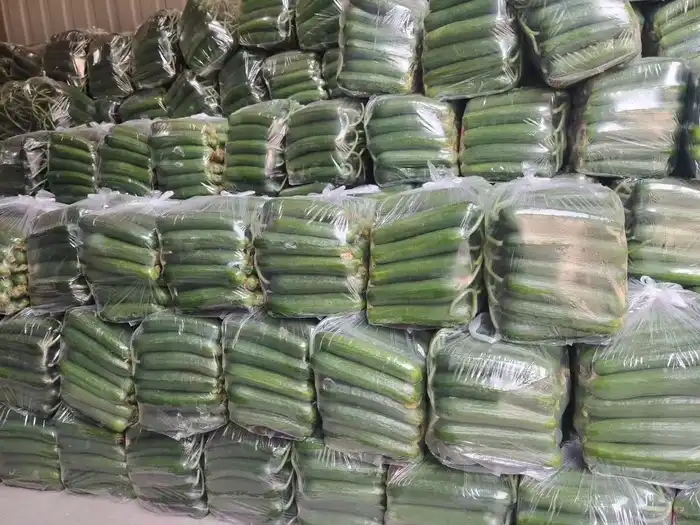
If you work in fresh produce distribution, food processing, or wholesale packaging, sourcing the right bags at scale is a decision that directly affects your bottom line. Bulk purchase of HDPE produce bags https://www.lumingplastic.com/hdpe-t-shirt-bags/hdpe-produce-bags– high-density polyethylene bags intended for fruit and vegetable packing — enables procurement teams superior unit economics, consistent quality, and a regular supply rhythm. This book leads you through what matters most: product characteristics, purchasing criteria, supplier assessment, and regulatory compliance, so you can make a confident, well-informed purchase choice.
Understanding HDPE Produce Bags: Features and Benefits
HDPE produce bags are made from high density polyethylene plastic. HDPE is a straight polymer with numerous crystals that makes thin gages sturdy. You can match their requirements to your real-world working demands if you know what their fundamental characteristics are.
What Makes HDPE Different from LDPE and Other Options?
LDPE bags that are substantially thicker may handle more weight than HDPE films that are not as thick. HDPE is dense between 0.941 and 0.965 g/cm³ and has a tensile strength of around 3,000 to 4,000 PSI (ASTM D882). Because of this "down-gauging" effect, the cost of materials per unit goes down without impacting performance. This is really handy when purchasing in bulk.
Food-Grade Safety and Compliance
LDPE bags that are substantially thicker may handle more weight than HDPE films that are not as thick. HDPE is dense between 0.941 and 0.965 g/cm³ and has a tensile strength of around 3,000 to 4,000 PSI (ASTM D882). Because of this "down-gauging" effect, the cost of materials per unit goes down without impacting performance. This is really handy when purchasing in bulk.
Durability Across the Cold Chain
Between -50°C and +110°C, HDPE doesn't change shape. This means that the film won't break when it's kept at room temperature or in a fridge at 0–4°C. This temperature stability will help cold chain carriers the most who bring leafy greens and root veggies to more than one stop using HDPE produce bags.
Key Considerations When Buying Fresh Produce Bags in Bulk
Getting the specification right before placing a large order saves costly returns and supply delays. Several factors deserve careful attention during the evaluation phase.
Volume, Dimensions, and Handle Style
First, figure out what your real consumption rate is – weekly, or monthly – and then work backward to get your optimum order cycle. Standard measurements (12 x 7 x 22 inches) will be satisfactory for most retail and wholesale use, but your particular sorts of product may make changes necessary. The handle options (vest-style, drawstring or flat-top) should fit your packaging procedure and shelf display.
Food-Grade Certifications and Eco-Labels
Always request third-party test reports, not just supplier self-declarations. Certifications under ASTM D1709 (dart impact resistance) and ASTM D882 (tensile properties) confirm real-world durability. For buyers supplying retail chains or food service operators, having documentable FDA compliance on file protects you during supplier audits.
Customization and Branding Potential
The smooth surface of the HDPE film offers high resolution printing. So you may print your brand, the color coding of the product category or the traceability barcodes. That turns a functional commodity bag into a brand asset on the retail floor, without adding a step to your packaging process.”
Comparing HDPE Produce Bags with Alternatives: Making the Right Choice
What kind of bag material you choose isn't just a matter of taste; it also impacts costs, operations, and the environment. Here's how HDPE stacks up against other common choices:
HDPE is stiffer and harder to bend than LDPE, but each bag needs more of it to hold the same amount of weight. This is because HDPE has a better crystalline structure than other materials that are the same or less thick. This means that each case is lighter and uses less plastic.
- HDPE vs. LDPE: LDPE is softer and more flexible, but it takes more material to make a bag that will hold the same amount. HDPE has a more crystalline structure, and hence more strength at the same or less thickness, requiring less plastic, and less freight weight per case.
- HDPE vs. mesh bags Mesh bags are transparent and naturally breathable for certain goods but provide no moisture barrier protection and are not printable well. HDPE bags are perforated to allow for airflow control, yet still have a printed surface and moisture resistant construction.
- HDPE versus Paper Bags - Paper bags are biodegradable, however they are moisture absorbent and may fail structurally in humid cold chain conditions. HDPE is the most operationally dependable option for output that is misted or hydro-cooled.
When you have to source a lot of units every day and make sure they all work the same, these differences become very important for HDPE produce bags. If a bag breaks in the middle of the chain, it costs more to get new ones and deal with angry customers than to use a less expensive material.
How to Source and Purchase Bulk Polyethylene Produce Bags: Step-by-Step
A structured sourcing process reduces risk and helps you build a supplier relationship that holds up over time.
Step 1 — Identify and Verify Suppliers
Ask for factory credentials: company licenses, quality certificates, export records. Seek trusted B2B directories. In-house blown film and bag-making machinery (as opposed to a trading firm reselling material from other parties) allows a provider more control over specifications and lead times.
Step 2 — Request Samples and Test Before Committing
Ask for physical samples at your target thickness — typically 8–15 microns for standard fresh produce applications. Run your own load tests with actual products. Luming Plastic provides samples within 24 hours, and standard custom orders ship within 3–5 business days, which makes trial-order cycles fast enough to fit most procurement schedules.
Step 3 — Negotiate Terms, MOQ, and Replenishment Flexibility
The MOQ is different from supply to provider. Buyers who ride out seasonal demand fluctuations need the capacity to restock in smaller lots as much as they need the unit pricing. Confirm lead dates, payment conditions and split-shipment alternatives upfront – particularly if you are importing and managing FBA head-haul logistics or bonded warehouse delivery.
Environmental and Regulatory Considerations for Bulk Buyers
As packaging regulations tighten in both the U.S. and EU, sustainability due diligence has become part of responsible procurement — not just a marketing preference.
Recycling Profile and Resin Identification
HDPE carries Resin Identification Code 2 and is one of the most widely accepted plastics in municipal recycling programs globally. Its stable chemical properties support multiple recycling cycles without significant performance loss, giving HDPE produce bags a measurable environmental advantage over multi-layer composite films that cannot be recycled through standard streams.
Regulatory Compliance Documentation
For those selling into U.S. supermarket chains or European food stores, supplier compliance documents should have FDA 21 CFR 177.1520 certification for food contact, ASTM test reports for physical performance, and EU EC 1935/2004 compliance for export markets. Keep these on file – retail and food service auditors are requesting them more and more.
Down-Gauging as a Sustainability Strategy
HDPE sheets that are thinner yet strength compliant reduce the total plastic mass per order. The production technique at Luming Plastic is intended to achieve this balance: the same load-bearing output with less material, decreasing both the acquisition cost and the carbon footprint of your packaging supply chain.
Conclusion
To buy large HDPE produce bags quickly, you should know what you need, make sure the seller has good reviews, and plan how to restock in a way that fits your business's schedule. Start by listing your bag dimensions, thickness, and monthly volume so suppliers can quote accurately. Check customer feedback for seal quality, delivery speed, and food-safety documentation. Then set a restocking plan with buffer stock and agreed lead times, so your packaging never runs out during peak harvest or shipping seasons.
FAQ
What is the standard minimum order quantity for bulk HDPE produce bags?
MOQ varies by supplier and bag specification. At Luming Plastic, stock orders are available for immediate shipment, while custom-printed or non-standard sizes typically start at 5,000 pieces. For high-volume buyers, carton or pallet pricing structures are available.
How do HDPE produce bags compare to biodegradable options in cost and performance?
Conventional HDPE bags offer lower unit cost and proven tensile performance. Biodegradable alternatives carry a higher price per unit and may have narrower temperature operating ranges. For buyers where recyclability under Code 2 satisfies their sustainability requirements, standard HDPE typically delivers better total cost of ownership.
Can I get custom printing on bulk orders, and how long does it take?
Yes. Luming Plastic's smooth HDPE film surface supports high-definition full-color printing, including logos, barcodes, and product information. Standard custom print orders are completed in 3–5 business days; complex designs or multi-color runs may take 7–10 days. Artwork samples are confirmed before production begins.
Are these bags safe for direct contact with fresh food?
All Luming Plastic bags are manufactured from 100% virgin HDPE resin and comply with FDA 21 CFR 177.1520, EU 10/2011, and EC 1935/2004. They are safe for direct contact with fresh produce, with no recycled material in the production mix.
Source Bulk HDPE Produce Bags from Luming Plastic — Request a Quote Today
An honest business called Luming Plastic has been making HDPE produce bags for 30 years. Their own blown film factory makes 500 to 800 tons of finished stock that can be sent out right away. It takes us less than 15 minutes to answer questions and 24 hours to ship stock sales. Email our sales team at sales@lumingplastic.com to get examples, technical sheets, or a price quote for a large order.
References
1. ASTM International. Standard Test Method for Tensile Properties of Thin Plastic Sheeting (ASTM D882). ASTM International, 2018.
2. U.S. Food and Drug Administration. Substances in Contact with Food — 21 CFR Part 177, Section 177.1520: Olefin Polymers. FDA, 2022.
3. European Commission. Regulation (EC) No 1935/2004 on Materials and Articles Intended to Contact Food. Official Journal of the European Union, 2004.
4. Packaging Digest. Trends in Fresh Produce Packaging: Film Selection and Food Safety. Packaging Digest, 2023.
5. Plastics Industry Association. HDPE Resin Market and Recycling Report. Plastics Industry Association, 2023.
6. Food Packaging Forum. Migration Testing Standards for Food-Contact Plastics: FDA and EU Frameworks Compared. Food Packaging Forum, 2022.
Get customized packaging solutions with fast professional support.