- English
- French
- German
- Portuguese
- Spanish
- Russian
- Japanese
- Korean
- Arabic
- Greek
- German
- Turkish
- Italian
- Danish
- Romanian
- Indonesian
- Czech
- Afrikaans
- Swedish
- Polish
- Basque
- Catalan
- Esperanto
- Hindi
- Lao
- Albanian
- Amharic
- Armenian
- Azerbaijani
- Belarusian
- Bengali
- Bosnian
- Bulgarian
- Cebuano
- Chichewa
- Corsican
- Croatian
- Dutch
- Estonian
- Filipino
- Finnish
- Frisian
- Galician
- Georgian
- Gujarati
- Haitian
- Hausa
- Hawaiian
- Hebrew
- Hmong
- Hungarian
- Icelandic
- Igbo
- Javanese
- Kannada
- Kazakh
- Khmer
- Kurdish
- Kyrgyz
- Latin
- Latvian
- Lithuanian
- Luxembou..
- Macedonian
- Malagasy
- Malay
- Malayalam
- Maltese
- Maori
- Marathi
- Mongolian
- Burmese
- Nepali
- Norwegian
- Pashto
- Persian
- Punjabi
- Serbian
- Sesotho
- Sinhala
- Slovak
- Slovenian
- Somali
- Samoan
- Scots Gaelic
- Shona
- Sindhi
- Sundanese
- Swahili
- Tajik
- Tamil
- Telugu
- Thai
- Ukrainian
- Urdu
- Uzbek
- Vietnamese
- Welsh
- Xhosa
- Yiddish
- Yoruba
- Zulu
Wholesale HDPE Produce Packaging Bags: What to Check Before You Order
When you buy HDPE produce packaging bags https://www.lumingplastic.com/hdpe-t-shirt-bags/hdpe-produce-packaging-bagsin wholesale bulk, it is more crucial for most consumers than they realize to get the specs right before you buy. Wrong thickness, weak bottom seal or a supplier without sufficient FDA certification might cost your firm a lot more than the savings you thought you were obtaining. This book walks you through all the key checkpoints, from material quality and load ratings to supplier credentials and recycling compliance, so that your procurement team can make a confident, well-informed pick from day one.
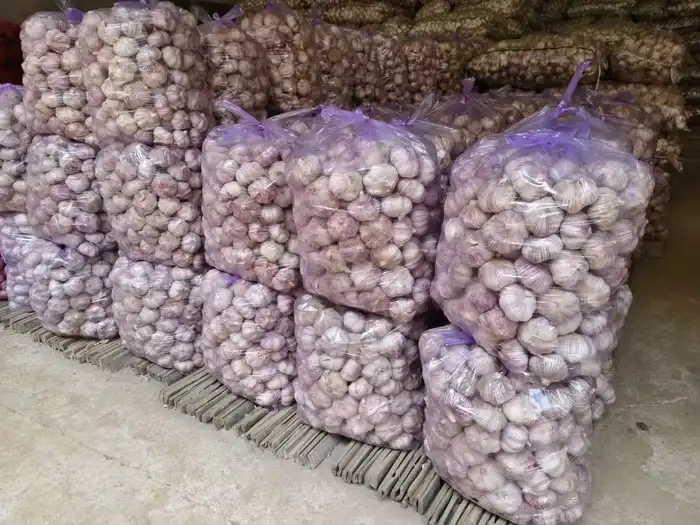
Understanding HDPE Produce Packaging Bags: Key Features and Benefits
Polyethylene with a high density has a density of between 0.941 and 0.965 g/cm³. It is a polymer with a straight chain. Because of how its molecules are structured, it is stronger than soft plastics in terms of weight. This is why people all over the world use it to pack fresh food.
What Sets HDPE Apart from Standard Plastic Film?
HDPE creates a thick covering of crystals which stop moisture from passing but enable controlled air flow within. If water builds up in the bag, leafy greens and root vegetables may wilt prematurely. This balances it out. Low density film breaks at low temperature HDPE is sturdy around 0C and does not break. This makes it a good candidate for cold chain.
Core Technical Specifications to Confirm
Before giving the go-ahead for a big buy, make sure with your seller that the following things are true:
- Thickness: 15–25 microns for medium-to-heavy produce loads (10–25 kg); confirm via ultrasonic gauge measurement, not just printed spec sheets.
- Load capacity: Graded ranges of 5–10 kg, 10–15 kg, and 25–35 kg are standard; match the rating to your actual crate-fill weight.
- Bottom seal strength: Heat-seal integrity should reach at least 80% of the film's tensile strength per ASTM D1922 to prevent seam failure under stacked load.
- Print surface: Corona treatment enables clean flexographic printing up to six colors, supporting SKU color-coding and brand compliance text.
There is a direct link between these specs and how well your bags work in real distribution situations, not just on the sample bench.
Why Thickened Film Matters for Bulk Handling?
Thickening the film is more than a matter of weight. It decreases the number of breaks during high speed filling, the number of broken bags at checkout, and the number of claims later for damaged items. And companies that handle more than 100,000 bags a month may save money all around by reducing broken bags by 0.5% using HDPE produce packaging bags.
Wholesale Order Considerations: Quality, Cost, and Supplier Reliability
One of the most typical mistakes people make in this area is to order in bulk without reviewing the certification documentation. You have to tick 3 boxes. Quality. Cost. Source dependability. You have to check all three before you agree.
Food Safety Certifications That Must Be on File
In the United States, every HDPE produce bag touching food directly must fulfill the following standards as specified by FDA 21 CFR 177.1520: It should also be compliant with EU 10/2011, EC 1935/2004. Ask to see the genuine exam results, not simply license number. Also check the quality of the resin according to the material declaration of the merchant. Virgin HDPE resin providers produce results that are consistent and easy to grasp. But there are changes that effect food safety and technical performance with mixed or recycled content recipes.
Evaluating Total Cost Beyond Unit Price
The unit price doesn't always tell you how much something costs. Here are some things to think about before you compare quotes:
- Multi-color printing, Pantone matching inks and non-standard sizes are subject to set-up expenses based on the quantity of the print run.
- MOQ structure: Suppliers who provide flexible MOQ beginning at 5,000 pieces lower your inventory risk on new SKUs.
- Logistics proximity: For container shipments, suppliers located close to major export ports like Rizhao Port often have faster transit times and reduced freight prices.
Supplier Reliability Indicators That Predict Performance
You should not only look at price, but also how often a supplier delivers on time, how much they can make (daily output and stock levels of finished goods), and how quickly they can respond. It's safe to say that a company has the right amount of operating depth if it keeps 500–800 tons of finished goods on hand and can make samples in 24 hours.
Comparing HDPE Produce Packaging Bags with Alternative Packaging Solutions
HDPE is not the only option on the market. Understanding where it outperforms alternatives—and where it doesn't—helps you choose the right film for each product line.
HDPE vs. LDPE: Strength and Clarity Trade-offs
LDPE is more transparent and softer. It’s great for light retail applications. However, it is not the best choice for big product loads or lengthy cold-chain transit since it has a lower tensile strength and a higher MVTR (moisture vapor transfer rate). The rigidity and seal durability of HDPE will make any bag with more than 5kg of bulk products perform better per gram of film utilized.
HDPE vs. Woven Polypropylene and Mesh Bags
Woven PP and mesh bags allow maximum ventilation, which benefits root vegetables like onions and potatoes in dry storage. HDPE produce packaging bags, by contrast, control moisture loss more precisely and prevent soil contamination during the harvest-to-warehouse leg. The right choice depends on produce type and transit duration rather than one material being universally superior.
HDPE vs. Compostable and Bio-Based Films
Compostable films are being introduced into retail markets with high sustainability requirements. Their mechanical performance, however, is inconsistent for loads beyond 3–5 kg and their cold-chain stability at scale is uncertain. The most viable choice currently available is HDPE with SPI Recycling Code of 2 for high-volume B2B distribution of produce where load stability is a must.
Environmental Impact and Recycling of HDPE Produce Packaging Bags
The truth is that HDPE doesn't break down, so no honest seller should say that it does. One of the best known ways to recover plastics is shown here.
How HDPE Recycling Actually Works
The SPI Code 2 bags are intended for films and have drop off locations at grocery store chains throughout the EU and US. The materials collected are put into plastic lines (not meant to consume). According to the US EPA, HDPE is more likely to be recovered than most other types of flexible plastic films. But there are still a number of cities and municipalities that only allow curbside pick-up of rigid HDPE containers.
Identifying Genuinely Sustainable Suppliers
To develop the confidence necessary to be sustainable they need to make explicit material disclosures, quality controls as excellent as ISO 9001 and trackable virgin resin. Be wary of vendors that boast “eco-friendly” items but won’t provide third-party test results or the proportion of recycled components. Luming Plastic exclusively utilize 100% fresh HDPE resin. This way the mechanical properties are the same and there are no contamination concerns from recycled-blend inputs.
Circular Packaging Practices for Procurement Teams
Buying managers may help the environment by selecting smaller gages where structurally viable, ensuring all orders are tagged with SPI Code 2, and working with suppliers that have film-recovery or take-back programs in target markets. It helps reduce the total weight per plastic part. Customization fees apply to print runs for multi-color printing, Pantone matching inks and non standard sizes on HDPE produce packaging bags.
How to Make the Right Decision: A Checklist Before Ordering Wholesale HDPE Produce Packaging Bags
Pulling together everything covered above, here is a practical pre-order checklist for procurement teams sourcing fresh food packaging film at scale.
Define Your Operational Requirements First
Note down your product kind, typical pack weight, storage temperature and monthly volume before you contact any suppliers. This eliminates the most typical ordering mistake of choosing a standard spec that applies to one product line but not the other. A 15 micron HDPE product packing bags designated for leafy greens will not carry up to 20 kg of root veggies no matter how attractive the pricing seems.
Verify Technical Standards Before Requesting Samples
Confirm that any prospective supplier can provide ASTM D1709 dart drop impact test results, ASTM D1922 tear propagation data, ASTM F88 seal strength reports, and FDA 21 CFR 177.1520 food-contact compliance. Request these before samples, not after, to avoid wasting the evaluation cycle on a supplier who cannot meet baseline requirements.
Confirm Customization and Delivery Capabilities
Make sure the supplier can handle your color-coding and printing needs, your lead time (stock orders in 24 hours; custom orders in 3 to 10 days, depending on complexity) and has enough production depth to meet your peak replenishment cycles without allocation limits.
Conclusion
Before making a choice about a wholesale produce packing film seller, it's best to look at the material specs, certificates, and seller capacity. You shouldn't wait until the seals on your first order are broken before doing this. HDPE produce packaging bags are still the best way to transport medium to large amounts of fresh food, as long as you know ahead of time what the right thickness, seal standard, and government credentials are. To cut down on buying risk during every order cycle, start with the list in this guide.
FAQ
What is the difference between HDPE and LDPE produce bags?
HDPE has a higher density (0.941–0.965 g/cm³) and greater tensile strength than LDPE. It handles heavier loads, performs better in cold-chain environments, and offers lower moisture vapor transmission. LDPE is softer and clearer but is better suited to light retail applications under 5 kg.
Can HDPE produce bags be custom-printed with brand logos?
Yes. Corona surface treatment on HDPE film enables flexographic printing up to six colors. Pantone color matching is available for brand consistency. Minimum print runs vary by supplier, so confirm MOQ before finalizing artwork.
Are HDPE bags recyclable through standard municipal programs?
HDPE film carries SPI Recycling Code 2 and is recyclable through film drop-off programs at major retail chains across the U.S. Curbside collection for flexible film remains limited in most municipalities, so film-specific collection points are the recommended disposal route.
What certifications should a food-grade HDPE bag supplier hold?
At minimum: FDA 21 CFR 177.1520 for U.S. markets, EU 10/2011 and EC 1935/2004 for European distribution, and ISO 9001-equivalent quality management documentation. Always request actual test reports, not just certificate numbers.
What bottom seal standard prevents failure under stacked loads?
Bottom seal strength should meet or exceed 80% of the film's tensile strength, tested per ASTM F88. This threshold ensures the heat-sealed seam holds under real stacking pressure during palletized cold-chain transit.
Get a Tailored Quote from Luming Plastic — Trusted HDPE Produce Packaging Bags Supplier
People who buy fresh food in bulk from all over the world buy food-grade HDPE produce packaging bags from Luming Plastic. We're made for buying teams that can't have gaps in their supply chains. We follow FDA 21 CFR 177.1520 and EU 10/2011. We can send samples right away, and stock orders are sent out within 24 hours. Email our team at sales@lumingplastic.com to get samples and a quote that fits your needs.
References
1. American Society for Testing and Materials (ASTM International). ASTM D1709: Standard Test Methods for Impact Resistance of Plastic Film by the Free-Falling Dart Method. ASTM International, 2016.
2. American Society for Testing and Materials (ASTM International). ASTM D1922: Standard Test Method for Propagation Tear Resistance of Plastic Film and Thin Sheeting by Pendulum Method. ASTM International, 2015.
3. U.S. Food and Drug Administration. CFR Title 21, Part 177.1520: Olefin Polymers. FDA, 2023.
4. European Commission. Regulation (EU) No 10/2011 on Plastic Materials and Articles Intended to Contact Food. Official Journal of the European Union, 2011.
5. U.S. Environmental Protection Agency. Advancing Sustainable Materials Management: 2018 Fact Sheet. EPA, 2020.
6. Plastics Industry Association. 2023 Size and Impact Report: Plastic Film and Flexible Packaging Segment. Plastics Industry Association, 2023.
Get customized packaging solutions with fast professional support.