- English
- French
- German
- Portuguese
- Spanish
- Russian
- Japanese
- Korean
- Arabic
- Greek
- German
- Turkish
- Italian
- Danish
- Romanian
- Indonesian
- Czech
- Afrikaans
- Swedish
- Polish
- Basque
- Catalan
- Esperanto
- Hindi
- Lao
- Albanian
- Amharic
- Armenian
- Azerbaijani
- Belarusian
- Bengali
- Bosnian
- Bulgarian
- Cebuano
- Chichewa
- Corsican
- Croatian
- Dutch
- Estonian
- Filipino
- Finnish
- Frisian
- Galician
- Georgian
- Gujarati
- Haitian
- Hausa
- Hawaiian
- Hebrew
- Hmong
- Hungarian
- Icelandic
- Igbo
- Javanese
- Kannada
- Kazakh
- Khmer
- Kurdish
- Kyrgyz
- Latin
- Latvian
- Lithuanian
- Luxembou..
- Macedonian
- Malagasy
- Malay
- Malayalam
- Maltese
- Maori
- Marathi
- Mongolian
- Burmese
- Nepali
- Norwegian
- Pashto
- Persian
- Punjabi
- Serbian
- Sesotho
- Sinhala
- Slovak
- Slovenian
- Somali
- Samoan
- Scots Gaelic
- Shona
- Sindhi
- Sundanese
- Swahili
- Tajik
- Tamil
- Telugu
- Thai
- Ukrainian
- Urdu
- Uzbek
- Vietnamese
- Welsh
- Xhosa
- Yiddish
- Yoruba
- Zulu
What Are Produce Packaging Transport Bags? A Complete Guide for Suppliers
Produce packaging transport bags https://www.lumingplastic.com/hdpe-t-shirt-bags/produce-packaging-transport-bagsare industrial-grade containment solutions engineered specifically for post-harvest handling and long-distance fresh produce logistics. Designed to manage the physiological activity of live produce — including respiration and moisture release — these bags protect fruits and vegetables from farm gate to distribution center. Unlike standard consumer bags, they address real supply chain pain points: physical damage during high-vibration transit, moisture-induced microbial growth, and temperature-related film failure. With the right fresh produce packaging, suppliers can reduce post-harvest losses, which the FAO estimates at 20–40% globally, and meet the compliance requirements of modern cold chain buyers.
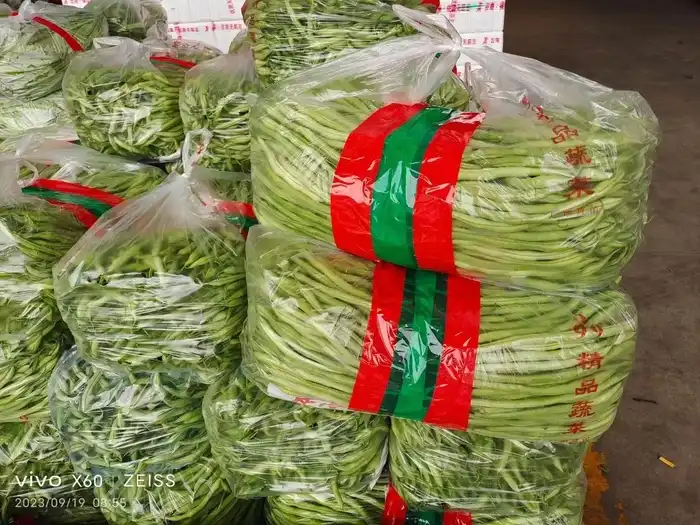
Understanding Produce Packaging Transport Bags
It's helpful to know the difference between a transport bag and a regular plastic bag before you decide how to package something. It changes in more ways than just width.
What They Are and How They Work
Bags for food are made from food-grade pure HDPE or LDPE plastic. They control the flow of gasses and water, as well as the stress on temperatures in the area around living things. The normal way that fruits and vegetables age is called senescence. This slows it down and keeps breathing rates low.
Common Types and Design Attributes
Three main types are high-strength vest-handle bags for big root vegetables, micro-perforated bags that let air through for leafy greens, and modified atmosphere packing (MAP) bags for stone fruits that are ready to be exported. Each kind has a different thickness (12–25 μm), diameter of the holes, and type of seal. It has a core transfer range of 25 μm and a bottom heat-seal strength that is at least 80% of the base film's creep strength.
Material Options and Sustainability
This type of HDPE is still the standard for heavy-duty uses since it doesn't tear easily and can bend in cold weather. You can recycle PE-based bags in all the same ways that you recycle films with Recycle Code 4. Zero-waste supply chain operators are becoming more interested in certified compostable options made from PLA/PBAT mixes (meeting EN 13432) for produce packaging transport bags, but right now they're only used for small markets abroad and not for long cold chain runs in the United States.
Benefits and Best Practices of Using Produce Packaging Transport Bags
It is possible to see changes when the delivery network switches from open-top boxes or woven polypropylene bags to structured HDPE transport bags.
These are the main benefits that buying teams say they see for their businesses since switching:
- Reduced physical damage losses: The abrasion-resistant outer surface and high dart-impact strength (tested per ASTM D1709) prevent punctures from sharp stems, rough pallet boards, and multi-pallet stacking pressure. Documented field data from cold chain operators shows damage-related losses dropping by up to 15% after switching to 25 μm heavy-duty bags.
- Moisture management: Integrated anti-fog masterbatch causes condensation to spread into a thin transparent film rather than pooling into droplets that trigger localized rot. Buyers can inspect produce quality visually without breaking the seal.
- Stacking stability: Uniform bag geometry and consistent gauge-thickness control allow stable column stacking for up to 24 hours at 1.5× rated load without structural deformation — a critical requirement for high-cube refrigerated truck loading.
Choosing the Right Produce Packaging Transport Bags for Your Business
You can choose the right bag size based on the type of food, the distance the bags will travel, and the temperature range they will be in.
Match Thickness to Load and Route
As long as the film is 12 to 18 μm thick, light salad crops (5 to 10 kg per bag) can be sent over short distances in cities. For moving heavy root vegetables like potatoes, onions, and carrots over long distances in the cold chain, you need a 25 εm wall with a stronger bottom seal. Luming Plastic's range of 25–35 kg capacities is made for this heavy-duty market, with produce packaging transport bags built to handle the load.
Evaluate Certifications Before You Commit
Any bag that comes in contact with food in the U.S. market needs to meet FDA 21 CFR 177.1520. You need to follow EC 1935/2004 and EU 10/2011 for areas outside the EU. If your providers can give you third-party transfer test results, your risk of not following the rules goes down a lot. Also, check to see if BRCGS and GlobalG.A.P. are supported by the programs you use to store and send goods.
Customization, MOQ, and Lead Times
A lot of purchasing teams don't understand how important stable roll-meter numbers and bag counts per carton are for keeping track of stock in the warehouse. Luming Plastic can print company logos, product names, and directions on how to use their products. They also offer a variety of colors (white, green, and black), a low minimum order quantity (MOQ) of just 5,000 pieces, and a sample turnaround time of 24 to 48 hours. Custom orders with simple details take 7–10 days to ship, while orders with lots of details take 3–5 days.
Procurement Guide: How to Buy Produce Packaging Transport Bags?
To get bulk fresh produce packaging, you need to follow a few simple steps. However, if something goes wrong, it can cost more.
Where to Source
For B2B buyers, the best places to find new products are still Alibaba's cold chain supply category, direct manufacturer websites, and trade shows like SIAL China and FoodEx. It's easier to see prices, get expert help faster, and see output records when you deal directly with a plant instead of going through a trading company.
Negotiate on Total Cost, Not Unit Price
When you compare prices, think about how often people have to order again, how much damage there is, and how much it costs to make sure everything is in order. There is a small price difference between 25 kg and 35 kg bags, but the 35 kg produce packaging transport bags can save you a lot of money per ton in moving costs. It makes 8–10 tons of plastic every day and always has 500–800 tons of finished goods on hand. In this way, they can offer competitive bulk prices without having to cut down on lead time.
Sample First, Scale Second
Before you place a full order, get samples in person. You can check the examples for holes and cold temps by yourself. Put a bag full of samples somewhere cold (–20°C) for 48 hours, and then drop it from 1.2 meters. Any good bag that is made to carry cold things should work without breaking. As soon as Luming Plastic confirms a request, samples are sent out within 24 hours.
Future Trends and Sustainability in Produce Packaging Transport Bags
The market for fresh food packaging is changing in two ways at the same time: rules on single-use plastics are getting tighter, and customers in the cold chain want better performance.
Biodegradable and Recyclable Film Adoption
The EU Single-Use Plastics Directive and similar state laws in the U.S. are making procurement teams include credentials for recycling in their lists of things to look for in suppliers. There is still no better way to carry a lot of food than in PE bags (Recycle Code 4). In test projects for retail-ready packaging, certified compostable films are being used more and more. However, they aren't as strong as HDPE when it comes to heavy-duty cold chain uses.
Modified Atmosphere Packaging Growth
More than just high-end export fruit programs use MAP technology, which changes the rates at which O2 and CO2 are sent. It is now also used for fresh-cut and ready-to-eat foods. Stores and food service businesses are getting stricter about what they need, so sellers who can confirm the OTR/COTR specs on their film will shine.
Regulatory Influence on Supplier Selection
Food safety inspectors from the FDA, EU, and other countries want more paperwork, not just vows. Manufacturers whose quality systems are on par with ISO 9001 and who can provide test results for each batch will be picked as sellers more and more often than those who rely on self-certification.
Conclusion
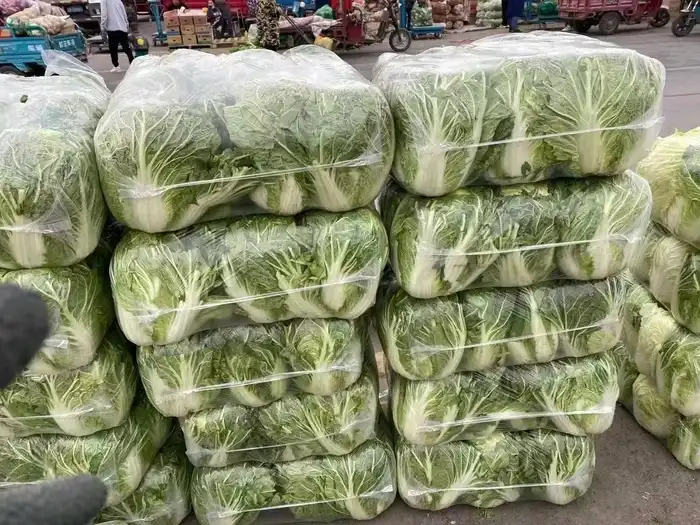
Produce packaging transport bags are a crucial component of keeping track of the fresh produce supply chain. There is a direct link between the thickness, seal strength, temperature rating, and food safety certification of a bag and how often things get damaged, how long they last, and how well they meet compliance standards. They protect both their customer relationships and their profit margins when they take the time to test samples properly and get licensed before taking on bigger orders. Buying approved HDPE or recyclable film early on is a smart way to save money in the long run, since more people want products that are eco-friendly and follow the rules.
FAQ
How do produce transport bags prevent condensation and mold inside the bag?
Additives in anti-fog masterbatch lower the surface tension on the inside wall of the film. This stops the water from forming drops and instead spreads it out into a clear, thin layer. This keeps certain areas from getting wet, which is how mold usually starts.
Can these bags be used for certified organic produce?
Of course, as long as the bags are made from brand-new resin that hasn't been used before and are clean enough to meet the standards set by organic certification groups. For programs that are certified organic, don't use bags made from recovered materials that have been used in business.
What is the difference between macro-perforated and micro-perforated produce bags?
A lot of air can move through big holes (5 mm or more), which cools things down quickly. This makes them good for root crops that need to be cooled by forced air. MAP controls the amount of O2 and CO2 in berries and stone fruits by making tiny holes (less than a millimeter) in the food.
Are HDPE produce transport bags recyclable?
It is possible to recover HDPE film with PE film systems because it has the recover Code 4 mark. Luming Plastic also has choices that are approved to be compostable for supply lines that need to have no waste.
What certifications should I require from a produce bag supplier?
To sell in the U.S., you should at least ask for proof that the product meets FDA 21 CFR 177.1520, EU 10/2011 and EC 1935/2004 paperwork for sales in Europe, and the results of a third-party migration test. Test records from ASTM D1922 and ASTM D1709 back up claims about how well machines work.
Source Luming Plastic's Produce Packaging Transport Bags for Your Supply Chain
Luming Plastic has been making bags for transporting food for 30 years. They make their own HDPE and LDPE blown film and have been checked to make sure they meet food safety standards set by the FDA, the EU, and ISO. Our strong carry bags have 25 εm reinforced film and built-in vest handles. They can hold 5–35 kg. They were made for cold chain supplies that go over long distances. It takes us 15 minutes to answer questions, 24 hours to send samples, and 24 hours to ship stock orders from our 500–800-ton collection of produced goods. Send our sales team an email at sales@lumingplastic.com to get samples or a price for a big order.
References
1. Food and Agriculture Organization of the United Nations (FAO). Global Food Losses and Food Waste. FAO, 2019.
2. ASTM International. ASTM D1709: Standard Test Methods for Impact Resistance of Plastic Film by the Free-Falling Dart Method. ASTM International, 2022.
3. ASTM International. ASTM D1922: Standard Test Method for Propagation Tear Resistance of Plastic Film and Thin Sheeting by Pendulum Method. ASTM International, 2021.
4. U.S. Food and Drug Administration. CFR Title 21, Part 177.1520 — Olefin Polymers. FDA, 2023.
5. European Commission. Regulation (EU) No 10/2011 on Plastic Materials and Articles Intended to Contact Food. Official Journal of the European Union, 2011.
6. Kader, A. A. Postharvest Technology of Horticultural Crops. University of California Agriculture and Natural Resources, 2002.
Get customized packaging solutions with fast professional support.