- English
- French
- German
- Portuguese
- Spanish
- Russian
- Japanese
- Korean
- Arabic
- Greek
- German
- Turkish
- Italian
- Danish
- Romanian
- Indonesian
- Czech
- Afrikaans
- Swedish
- Polish
- Basque
- Catalan
- Esperanto
- Hindi
- Lao
- Albanian
- Amharic
- Armenian
- Azerbaijani
- Belarusian
- Bengali
- Bosnian
- Bulgarian
- Cebuano
- Chichewa
- Corsican
- Croatian
- Dutch
- Estonian
- Filipino
- Finnish
- Frisian
- Galician
- Georgian
- Gujarati
- Haitian
- Hausa
- Hawaiian
- Hebrew
- Hmong
- Hungarian
- Icelandic
- Igbo
- Javanese
- Kannada
- Kazakh
- Khmer
- Kurdish
- Kyrgyz
- Latin
- Latvian
- Lithuanian
- Luxembou..
- Macedonian
- Malagasy
- Malay
- Malayalam
- Maltese
- Maori
- Marathi
- Mongolian
- Burmese
- Nepali
- Norwegian
- Pashto
- Persian
- Punjabi
- Serbian
- Sesotho
- Sinhala
- Slovak
- Slovenian
- Somali
- Samoan
- Scots Gaelic
- Shona
- Sindhi
- Sundanese
- Swahili
- Tajik
- Tamil
- Telugu
- Thai
- Ukrainian
- Urdu
- Uzbek
- Vietnamese
- Welsh
- Xhosa
- Yiddish
- Yoruba
- Zulu
Are HDPE Produce Bags Food-Safe?
Yes, HDPE produce bagshttps://www.lumingplastic.com/hdpe-t-shirt-bags/hdpe-produce-bags are food-safe when manufactured from virgin, food-grade high-density polyethylene resin. The material meets FDA 21 CFR 177.1520 requirements for direct food contact and aligns with EU regulation EC 1935/2004. Because HDPE is chemically inert, it does not leach harmful substances into fresh fruits or vegetables under normal storage and handling conditions. At Luming Plastic, every batch starts with 100% virgin resin, verified by third-party certification reports, so buyers can present compliant documentation to retail chains, food-service auditors, or customs authorities without hesitation.
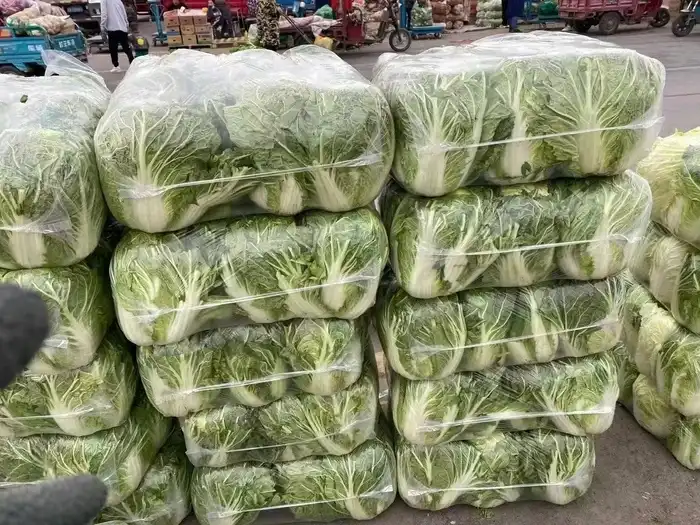
Understanding HDPE Produce Bags and Food Safety
What Makes HDPE Suitable for Food Contact?
High-density polyethylene has crystals in its molecules and a density of 0.941 to 0.965 g/cm³. Chemicals can't move around much in that small space. Two different groups of people did migration tests and found that HDPE doesn't give off any dangerous chemicals at temperatures between -50°C and +110°C. The whole cold chain is in this temperature range, from making the food to putting it on display in stores. It doesn't change the smell or taste of food that has been packed because its surface is smooth and quiet.
Which Regulatory Standards Apply?
There are two main rules that govern procurement in North America and around the world:
- FDA 21 CFR 177.1520 governs polyolefin plastics used in food-contact items in the US. Greens and veggies that are still alive can be touched by HDPE produce bags that follow the rules.
- EC 1935/2004 and EU 10/2011 set the European standard for plastics in Europe, defining what can and can't be used with food. They give exact limits for how much each substance can move.
- ASTM D882 / D1709 are standards for how well something works under tension and impact. These keep the bag from breaking when it's being handled, which could make the food inside dirty.
How Manufacturing Practices Protect Safety
The glue is the first line of defense. There are no used HDPE pellets at Luming Plastic. Before they start making things, they look at each supplier's proof of suitability. When you use a one-piece blown-film method, there are no glue seams or recycled-material splices that could let dirt in. A small amount of food-safe anti-block and slip agents are added to make sure that the end film doesn't have too many additives. This is to make sure that it doesn't go over the limits set by the FDA and the EU.
Benefits and Environmental Impact of HDPE Produce Bags
Operational Advantages for B2B Buyers
HDPE thin film is very strong, even though it's only 8–10 microns thick. People who buy that get a smaller bag that can still hold the same amount of things as a bigger bag. People who buy in bulk by the ton can save money on freight costs when the goods are smaller. The bags keep their form from being in the fridge, where it's cold, to being loaded onto warm cars, because it freezes at 130.8°C.
Recyclability and Reduced Footprint
You can find the Resin Identification Code 2 number on recycle bins in all fifty U.S. states and most EU countries. These countries will take HDPE. When you film down-gauge, you make a single piece of plastic lighter than an LDPE bag. This means that less plastic is needed for each package. That not only saves gas, but it also gives off less carbon per unit of food delivered. People who buy these things can be green and use the money they save to do so by adding them to their scope-3 pollution reports.
Disposal Best Practices
People who sell things should drop off used HDPE bags instead of mixed trash at the street. Because thin film can get stuck in machines that sort things. In the U.S., many big grocery shops already have places for people to return movies. Used HDPE bags can be turned into recycled resin with the help of an approved film-reclaim processor. This resin can be used for things other than food, like making pipes, lumber, or boards. This fits with the idea of an economy that goes around and around.
HDPE Produce Bags vs. Other Packaging Options: What Should You Choose?
HDPE vs. LDPE
Because it is thinner and less thick, LDPE is better for things that are easily broken, like flowers. For the same width, HDPE is stronger than LDPE in terms of how it breaks. This means that the gage needs to be heavier in order to hold the same amount of weight. It is harder for holes to form in HDPE when it comes to root vegetables, citrus fruits, or mixed-weight packs that weigh between 5 and 8 kg. This means that it costs less per unit when used in large amounts.
HDPE vs. Mesh and Paper Bags
Garlic and onions can breathe well in mesh bags, but they don't keep out water or dust, so the outside can get dirty. Even though paper bags break down on their own, they get weak when they get wet and can't handle being torn during automatic sorting. For HDPE produce bags to meet food-contact standards and keep their shape, tiny holes can be punched in them to let air flow through.
Innovative HDPE Options Worth Considering
There are now printed bags for private marking, colored bags to make them stand out, and reinforced bags that can be used more than once for high-end shops in the HDPE group. Images can be printed in full color on a smooth film that can handle fine details without letting the ink run. You can see the brand on each bag on the shelf because of this, and the food-safe plastic that makes them up doesn't change.
Procurement Guide: How to Buy Safe and Cost-Effective HDPE Produce Bags
Choosing the Right Size and Thickness
Most types of store-bought food can fit in a regular 12 x 7 x 22-inch vest bag with 12–15 microns of thickness. Screens up to 25 microns work well for heavy root vegetables or bulk packs. What kind of fruit is the best in the bunch? People who want to buy should say how much they are willing to pay. After that, they should ask for an ASTM D1709 dart-impact number that is higher than the force that is thought to hole the dart. Luming Plastic comes in layers that range from 8 microns to 25 microns thick. It has been proven that each type is strong enough to hold a certain amount.
Factory-Direct vs. Distributor Sourcing
When people buy from a reputable company like Luming Plastic, they can see how the goods are made, look at the certifications of the raw materials, and talk about big prices without having to pay the extra money that a dealer takes out. There are at least 300 tons of raw PE resin and between 500 and 800 tons of produced HDPE produce bags at the plant at all times. This means that stock orders can be sent out within 24 hours. It takes 24 hours to send a free sample set to someone who has never bought the product before. This lets them check out how good it is before they choose to buy more.
Customization and Minimum Order Quantities
For business-to-business sales, these are the main ways they can be changed:
- Size: Sizes range from small for shops to large for sales and bulk.
- Thickness: 8 to 25 microns, depending on the item and the cost goal.
- Color: Clear, white, red, blue, green, or black.
- Printing: Add logos, barcodes, nutrition labels, or tracking codes in full color.
- Handle style: Comes in three styles: a vest, a drawstring, and a flat-top handle.
These choices let buying teams work with a single supplier to join SKUs. This makes brands easier to spot at the point of sale and meets the audit needs of stores or food service businesses.
Ensuring Compliance and Safe Disposal of HDPE Produce Bags
Verifying Supplier Documentation
A food-contact bag that follows the rules should have an FDA 21 CFR 177.1520 declaration of conformity, an EU 10/2011 or EC 1935/2004 compliance statement, and lab reports from a third party that check for migration and tensile properties. When Luming Plastic is asked for all the papers, they give them to you. Maybe leftover stuff was used instead of the grade of plastic that was written in the compliance letter. This should be checked against the output record by the person in charge of buying.
Region-Specific Disposal Guidelines
People in the US should take thin-film HDPE to stores that have programs to take it back according to the How2Recycle system. EU's Single-Use Plastics Directive 2019/904 tells member states to save plastic film in their own unique ways. It's easy for stores to meet these needs without having to do more logistics work if suppliers mark bags ahead of time with the right resin code and recycling instructions.
A Real-World Outcome
Someone in the U.S. who sells fruits and vegetables switched from plain bags to food-grade HDPE bags from Luming Plastic that had lot numbers written on them. It had been six months, and more than 30% fewer bags were being returned that did not work. The buyer also passed a check by a large store chain the first time they tried with the right papers. By making the measure better, the switch also cut the cost of packing each unit by about 12%.
Conclusion
Using HDPE produce bags for fresh fruits and vegetables is safe, cheap, and lasts a long time. These bags have been checked to make sure they meet FDA and ASTM codes. They are made of brand-new plastic that is safe for food. That it is strong, doesn't react with chemicals, and can be returned makes it a good choice for stores, food service, and cold chains. Check the paperwork from the supplier, choose the right gage for the type of food, and make sure that the way the trash is thrown away follows local laws. Only then can you legally buy something and be ready for an audit.
FAQ
Are HDPE produce bags safe for direct fruit and vegetable contact?
As long as the HDPE bags are made from new food-grade plastic and pass the tests, the FDA's 21 CFR 177.1520 says they can be used with food. The stuff doesn't mix with the water or organic acids in fresh food.
What is the difference between HDPE and LDPE produce bags?
Since HDPE has a higher solid density, it can keep its shape better when it's cut down. Not as rough and soft as LDPE, but it takes more of it to hold the same amount of weight. This makes each piece of plastic cost more and be heavier.
How do I confirm a supplier's food-safety compliance?
Ask for a signed statement of conformity that talks about EU 10/2011 or FDA 21 CFR 177.1520, as well as test results from a different lab that show movement. The paper that comes with every sale from Luming Plastic is this one.
Can HDPE produce bags be printed with custom logos?
Yes. Because the film has a smooth surface, you can print logos, barcodes, and product information in full color and high definition without worrying about food getting on it.
What is the minimum order quantity for custom bags?
As few as 500 one-of-a-kind pieces can be made by Luming Plastic, and most of them are done in three to five days.
Get Your Custom HDPE Produce Bag Quote from Luming Plastic
For 30 years, Luming Plastic has sold food-grade HDPE produce bags to big box stores, city kitchen workers, and private-label brands in North America and Europe. Our HDPE produce bags are the only ones on the market. We send samples and ship stock orders within 24 hours, and we give you all the information you need to follow FDA and EU rules. Email us at sales@lumingplastic.com to get a price right away.
References
1. U.S. Food and Drug Administration. CFR Title 21, Part 177.1520: Olefin Polymers. FDA, 2023.
2. European Commission. Regulation (EC) No 1935/2004 on Materials and Articles Intended to Contact Food. Official Journal of the European Union, 2004.
3. ASTM International. ASTM D882: Standard Test Method for Tensile Properties of Thin Plastic Sheeting. ASTM, 2018.
4. ASTM International. ASTM D1709: Standard Test Methods for Impact Resistance of Plastic Film by the Free-Falling Dart Method. ASTM, 2016.
5. Plastics Industry Association. Resin Identification Codes and Recycling Infrastructure Report. Plastics Industry Association, 2022.
6. European Commission. Directive (EU) 2019/904 on the Reduction of the Impact of Certain Plastic Products on the Environment. Official Journal of the European Union, 2019.
Get customized packaging solutions with fast professional support.