- English
- French
- German
- Portuguese
- Spanish
- Russian
- Japanese
- Korean
- Arabic
- Greek
- German
- Turkish
- Italian
- Danish
- Romanian
- Indonesian
- Czech
- Afrikaans
- Swedish
- Polish
- Basque
- Catalan
- Esperanto
- Hindi
- Lao
- Albanian
- Amharic
- Armenian
- Azerbaijani
- Belarusian
- Bengali
- Bosnian
- Bulgarian
- Cebuano
- Chichewa
- Corsican
- Croatian
- Dutch
- Estonian
- Filipino
- Finnish
- Frisian
- Galician
- Georgian
- Gujarati
- Haitian
- Hausa
- Hawaiian
- Hebrew
- Hmong
- Hungarian
- Icelandic
- Igbo
- Javanese
- Kannada
- Kazakh
- Khmer
- Kurdish
- Kyrgyz
- Latin
- Latvian
- Lithuanian
- Luxembou..
- Macedonian
- Malagasy
- Malay
- Malayalam
- Maltese
- Maori
- Marathi
- Mongolian
- Burmese
- Nepali
- Norwegian
- Pashto
- Persian
- Punjabi
- Serbian
- Sesotho
- Sinhala
- Slovak
- Slovenian
- Somali
- Samoan
- Scots Gaelic
- Shona
- Sindhi
- Sundanese
- Swahili
- Tajik
- Tamil
- Telugu
- Thai
- Ukrainian
- Urdu
- Uzbek
- Vietnamese
- Welsh
- Xhosa
- Yiddish
- Yoruba
- Zulu
Are HDPE Produce Packaging Bags Food-Safe? What You Need to Know
Yes, HDPE produce packaging bags https://www.lumingplastic.com/hdpe-t-shirt-bags/hdpe-produce-bagsare food safe as long as they are produced to the proper requirements. High density polyethylene is chemically inert . It will not react with fresh fruits and vegetables under typical storage and transit circumstances . Our bags are FDA 21 CFR 177.1520, EU 10/2011 and EC 1935/2004 approved. This means that they are suitable for direct food contact. If you own a fresh produce distribution facility or retail chain, knowing what makes a polyethylene bag really food-grade is the first step in preserving your goods and your business.
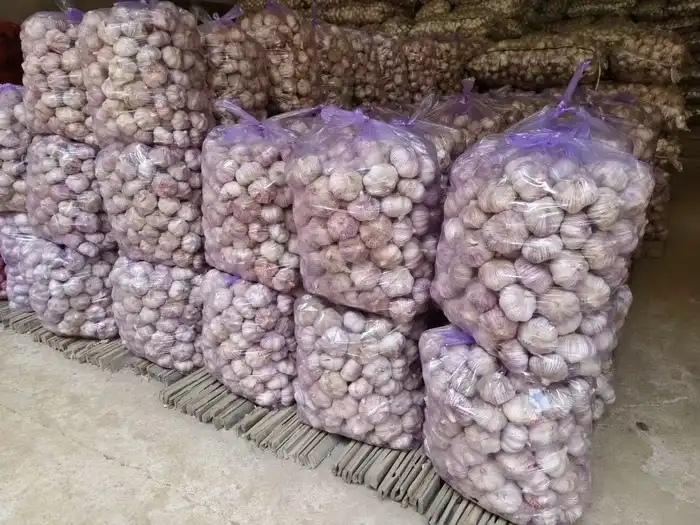
Understanding HDPE Produce Packaging Bags: Composition and Food Safety
What HDPE Actually Is?
High density polyethylene is a linear polymer with a density of 0.941 to 0.965 g/cm3. Molecular chains sit very next to each other, thus they are rigid and hard to break. It doesn’t pass much water or gas either. Some plastics include preservatives or plasticizers that may leach into food. Pure HDPE resin however does not include any of those things. This is why fresh food is inherently safe to touch.
Regulatory Certifications That Matter
For supply chain managers who are faced with audits at supermarkets or requirements for export documentation, they need to be sure they are following food-contact guidelines. Our bags are FDA certified for food usage (21 CFR 177.1520), EU 10/2011 and EC 1935/2004 for European markets. They also fulfill the same quality control criteria as ISO 9001. Each batch of items leaving our plant is tested for heavy metals and phthalates. That way you have your source qualification documents available in case someone asks.
Environmental Profile of HDPE Film
HDPE is identified with the SPI Recycling Code 2 and is accepted at most locations in the US that accept film. HDPE produce packaging bags are lighter for their weight, therefore less plastic is used to create them than larger ones. It will operate the same no matter what roll you purchase since we only use 100% new resin. After usage, the material may be recovered and repurposed into film, helping to fulfill aims for a circular economy without hurting the bags.
Key Benefits of Using HDPE Produce Packaging Bags for Fresh Produce
Fresh food goes bad very quickly. If a bag breaks while being shipped or holds water, food goes bad faster and claims cost a lot of money. HDPE film is one of the main issues that buying managers bring up when they look at sources for container film.
It will help your performance in the following ways:
- Bottom seal integrity under load: Our enlarged bottom seals are heat-bonded to at least 80% of the tensile rating of the film, certified by ASTM F88 seal strength testing. This immediately minimizes the bottom-burst claims that haunt high-volume enterprises handling 10–25 kg shipments of root crops or citrus.
- Cold-chain stability: HDPE remains structurally flexible around 0°C without brittle breakage. Optional food-grade anti-fog additives prevent interior condensation and allow the package contents to be seen during chilled distribution.
- Film thickness 10-25 micron depending on load class. The 15-25 micron thickened range is designed for bulk-packed greens and root vegetables needing 10-25 kg rated capacity. Lighter gages are suitable for retail self-service roll bags.
- SKU management with color code: Bags white, green, red, translucent or custom Pantone-matched colors, allowing ops teams to segregate SKUs by product category or destination hub without relabeling expenses.
Because of these features, there are fewer claims of broken items, better cold-chain paperwork, and easier inventory control in the warehouse. These things change more than just the price per bag; they change how much your packing program costs all together.
HDPE Produce Bags vs. Other Packaging Options: A Comparative Guide
HDPE vs. LDPE Film
Low-density polyethylene is softer and more flexible at the same gage, but it can't pull apart as well. LDPE can be used to make store bags that are light. When packing 10 kg or more in bulk, HDPE's solid structure makes it more resistant to punctures and seals that last longer, without having to make the film thicker.
HDPE vs. Polypropylene
Polypropylene is very clear, but it breaks easily when it gets cold, which makes it more likely that the cold chain will fail. When food is being moved from the farm to the store, HDPE produce packaging bags stay strong even when the temperature changes a lot. PP also makes it hard to recycle film. HDPE Code 2, on the other hand, is easier to work with because recovery systems already accept it.
HDPE vs. Compostable or Biodegradable Bags
Disposable bags cost more per unit and need to be broken down properly in places that compost. Most of the time, they don't work better than regular plastic when it comes to trash dumps or cold storage. People who run a big business need to know how much things cost and be sure of their supply chain. HDPE that can be recycled generally has better lifecycle economics than compostable options with the same thickness ratings.
Procurement Insights: Buying HDPE Produce Packaging Bags for B2B Clients
Supplier Qualification Checklist
When choosing a firm that manufactures or sells HDPE produce packaging bags, check for the following: FDA or similar food-contact certification, third-party ASTM D1709 dart-drop impact test reports, ASTM D1922 rip resistance data, seal strength validation under ASTM F88, and a COF (coefficient of friction) report proving roll bags dispense cleanly on automated equipment. If they don't offer them when requested, it creates compliance risk in your supply chain.
Lead Times and Inventory Planning
We maintain 500-800 tons of completed items and minimum 300 tons of brand-new PE raw material at our Rizhao factory. stock orders sent within 24 hours Basic bespoke orders take 3-5 days to complete, sophisticated colored print orders take 7-10 days to complete. This buffer insulates you against abrupt increases in demand if you are doing a monthly refill with your purchasing team. You don’t need to bring additional things on-site.
Customization and MOQ Flexibility
Our six-color flexographic printing studio can print names on the front and back of private-label merchandise. We can do legal lettering and match pantone colors also. The maximum order size for national wholesalers is a complete container load. Minimum quantity: 5,000 pcs. We provide ODM and OEM services, it takes us 24-48 hours to manufacture a model. Looking at a source this manner just takes days, not weeks.
Conclusion
HDPE film bags manufactured to FDA 21 CFR 177.1520 and EU 10/2011 standards are a proven, food-safe choice for fresh produce packaging at every stage from farm gate to distribution center. The material's chemical inertness, cold-chain stability, and verified seal strength make HDPE produce packaging bags a practical fit for operations handling 10–25 kg loads. Pair that with a supplier who holds full compliance documentation, maintains production stock, and offers print customization, and your procurement program becomes both audit-ready and operationally stable.
FAQ
Are HDPE bags safe for direct contact with raw vegetables?
Yes. Virgin HDPE resin contains no plasticizers or phthalates. When produced under FDA 21 CFR 177.1520 conditions, the material is approved for direct food contact, including raw, wet, and refrigerated produce.
Can I recycle HDPE produce bags after use?
HDPE film is classified under SPI Code 2 and is recyclable through film drop-off programs available at many U.S. grocery retailers and waste facilities. Do not place loose film in curbside single-stream bins, as it can jam sorting equipment.
How does HDPE compare to biodegradable bags for bulk produce?
For loads above 5 kg, HDPE consistently outperforms compostable films on seal strength, cold-chain durability, and cost per unit. Compostable options require industrial composting to degrade as intended, which is not universally available.
What thickness do I need for 15–25 kg produce loads?
For that weight class, a 15–25 micron thickened HDPE film with a widened bottom seal is standard. Luming Plastic can engineer specific gauge and seal parameters based on your product weight and packing method.
How quickly can I get samples?
Luming Plastic provides samples within 24 hours of inquiry confirmation. Our team responds to all inquiries within 15 minutes during business hours.
Request a Sample or Bulk Quote from Luming Plastic
Yes. Fresh HDPE resin doesn't have any plasticizers or phthalates in it. Following the rules set out by FDA 21 CFR 177.1520, the material can be made close to food, even if the food is raw, wet, or cold. Email our sales team at sales@lumingplastic.com.
References
1. U.S. Food and Drug Administration. Code of Federal Regulations Title 21, Part 177.1520: Olefin Polymers. FDA, 2023.
2. European Commission. Regulation (EU) No 10/2011 on Plastic Materials and Articles Intended to Contact Food. Official Journal of the European Union, 2011.
3. ASTM International. ASTM D1709: Standard Test Methods for Impact Resistance of Plastic Film by the Free-Falling Dart Method. ASTM, 2022.
4. ASTM International. ASTM D1922: Standard Test Method for Propagation Tear Resistance of Plastic Film. ASTM, 2021.
5. Marsh, K., & Bugusu, B. "Food Packaging — Roles, Materials, and Environmental Issues." Journal of Food Science, 2007.
6. Plastic Industry Association. 2023 Size and Impact Report: Flexible Packaging and Film Sector. Plastics Industry Association, 2023.
Get customized packaging solutions with fast professional support.