- English
- French
- German
- Portuguese
- Spanish
- Russian
- Japanese
- Korean
- Arabic
- Greek
- German
- Turkish
- Italian
- Danish
- Romanian
- Indonesian
- Czech
- Afrikaans
- Swedish
- Polish
- Basque
- Catalan
- Esperanto
- Hindi
- Lao
- Albanian
- Amharic
- Armenian
- Azerbaijani
- Belarusian
- Bengali
- Bosnian
- Bulgarian
- Cebuano
- Chichewa
- Corsican
- Croatian
- Dutch
- Estonian
- Filipino
- Finnish
- Frisian
- Galician
- Georgian
- Gujarati
- Haitian
- Hausa
- Hawaiian
- Hebrew
- Hmong
- Hungarian
- Icelandic
- Igbo
- Javanese
- Kannada
- Kazakh
- Khmer
- Kurdish
- Kyrgyz
- Latin
- Latvian
- Lithuanian
- Luxembou..
- Macedonian
- Malagasy
- Malay
- Malayalam
- Maltese
- Maori
- Marathi
- Mongolian
- Burmese
- Nepali
- Norwegian
- Pashto
- Persian
- Punjabi
- Serbian
- Sesotho
- Sinhala
- Slovak
- Slovenian
- Somali
- Samoan
- Scots Gaelic
- Shona
- Sindhi
- Sundanese
- Swahili
- Tajik
- Tamil
- Telugu
- Thai
- Ukrainian
- Urdu
- Uzbek
- Vietnamese
- Welsh
- Xhosa
- Yiddish
- Yoruba
- Zulu
How to Buy HDPE Produce Packaging Bags in Bulk: A Buyer's Guide
Buying HDPE produce packaging bagshttps://www.lumingplastic.com/hdpe-t-shirt-bags/hdpe-produce-bags in bulk requires more than just picking the cheapest option. You need bags that hold 10–25 kg of fresh produce without bottom seal failure, meet FDA 21 CFR 177.1520 food-contact requirements, and arrive on schedule to keep your distribution running. This guide walks you through material selection, supplier qualification, ordering logistics, and long-term procurement strategy — so your next bulk purchase protects both your produce and your bottom line.
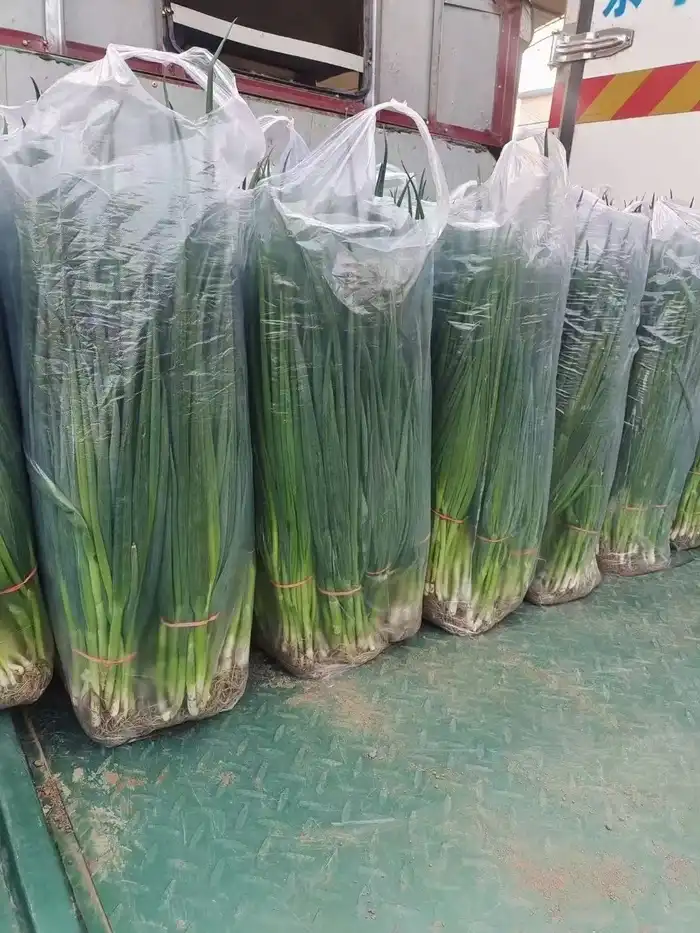
Understanding HDPE Produce Packaging Bags: What They Are and Why They Matter?
What Makes HDPE Different From Standard Plastic Film?
When it comes to density, high-density polyethylene is closer together than low-density types. Its range is from 0.941 to 0.965 g/cm³. This structure makes it feel stiffer, gives it more tensile strength per micron, and makes it less likely to tear than regular shopping film. HDPE doesn't break down in cold chains close to 0°C; instead, it stays flexible. This means that fewer bags will fail while they're being shipped.
The Role These Bags Play in Fresh Produce Supply Chains
Heavy-duty polyethylene bags (15–25 μm) are used to transport large amounts of vegetables, leafy greens, and root crops from farms where they are grown to places where they are sold in bulk. These packaging-grade bags are not the same as regular T-shirt bags. They have bigger bottom seals that can hold 10–25 kg, which is the weight range of net vegetables in crates and root vegetables in bags.
Food Safety and Compliance Baseline
FDA 21 CFR 177.1520 says that every polyethylene bag that comes into contact with food must follow certain rules. EU Regulation 10/2011 says that plastics must follow certain rules. Things that come into touch with food must follow EC 1935/2004. Before agreeing to do business with a seller, people who want to buy HDPE produce packaging bags for supermarkets or to send abroad should also ask for ASTM D1922 (tear strength) and ASTM D1709 (dart drop impact) test results.
Comparing HDPE Produce Packaging Bags With Other Packaging Materials
HDPE vs. LDPE: Strength-to-Cost Ratio
A more flexible and soft LDPE film is better for punnets of herbs or berries that are likely to break easily. When it comes to bulk product loads over 5 kg, HDPE is stronger per unit weight and costs the same or less per bag because it can handle the same load rate with thinner gages. If they move a lot of units every month, buying managers will see that the prices are different.
HDPE vs. Mesh and Paper Alternatives
Meshed bags let air pass through but not water, so they can't be used for food that is still wet from being washed. When paper bags get wet, they lose their shape and soak up vegetable juice. When HDPE film is in place, it stops water from getting in from the outside and only lets a small amount of water vapor escape from inside. This is the main reason why polyethylene film keeps fresh greens crisp longer than mesh or paper.
When HDPE Is the Right Call
When the load weighs more than 8 kg, when fruit or vegetables leak juice while being shipped, when there is a chance that the cold chain temperature will change, or when buyers further down the line need printed compliance text and brand logos, HDPE produce packaging bags are the best material to use. At these times, there isn't any other flexible packing material that is as strong, easy to print on, and safe for food.
3. How to Select the Best HDPE Produce Packaging Bags for Bulk Purchase
Key Technical Specifications to Confirm Before Ordering
The three requirements that can't be changed are the seal's integrity, its thickness, and its ability to hold a load. Before placing an order, everything that buys in bulk should check these key technical points:
- Film thickness: 15–25 μm for standard fresh produce distribution; thicker gauges (up to 35 μm) for heavy root vegetables above 20 kg.
- Bottom seal heat-bond strength: Should reach ≥ 80% of the base film's tensile strength per ASTM F88, preventing seal splitting during stacking.
- Anti-block and slip agents: Confirm inclusion to ensure smooth separation on automatic dispensing lines without sticking.
- Color and print options: Multi-color flexographic printing (up to 6 colors) supports SKU differentiation by produce type or distribution region.
If you check these things ahead of time, you can avoid the most common problem with buying in bulk: bags that pass the first tests but don't hold up when you try to stack them.
Certification Review Checklist
Also, make sure you get data from the ASTM D1709 dart drop test and quality management records that are the same as ISO 9001. These will show that the company follows FDA rules when it comes to food contact. There's a greater chance that you will be sued if a supplier can't give you third-party lab results for these things.
Evaluating Minimum Order Quantities and Lead Times
For regional distributors, the MOQ should be 5,000 pieces, and for national procurement alliances, it should be 1 million pieces per SKU. A reliable supplier should have clear MOQ levels. Standard custom orders can take anywhere from 3 to 7 days to make, while complicated multicolor print runs can take up to 10 days. Make sure there is a stock buffer so that you can fill emergency orders.
Navigating the Bulk Ordering Process: Tips and Best Practices
Where to Find Qualified Manufacturers?
You can save money on each unit when you buy directly from factories in well-known production hubs. This is because you skip the middleman and their markup. If you want to make polyethylene packing, HDPE produce packaging bags from Rizhao in Shandong area are the place to go. Because it is close to Rizhao Port, National Highway G206, and train freight, it takes two to three days less time to ship goods than companies in the province's interior.
Sample Testing Before Full Commitment
The normal buying process for first-time buyers takes 6–8 weeks. This includes two weeks to compare samples from different locations, two weeks to look at how to buy things centrally, and two to four weeks for a pilot order at one or two distribution centers. Do not forget to check the actual stuff. Ask that the bags be filled with the most weight that is allowed ahead of time, and then stack them for 24 hours to make sure the seal stays in place when they are squished.
Pricing Structures and Volume Discounts
Most of the time, big plastic bags are cost by the thousand pieces or the kilogram of film. When a certain number of units are made, volume discounts begin to apply. When buyers send orders to one seller for multiple SKUs, they usually get a better price and are given more weight when planning production than when buyers send orders to multiple factories.
Ensuring Long-Term Value and Sustainability in HDPE Packaging Procurement
Storage and Handling to Protect Bag Quality
Rolls should be kept somewhere cool and dry that is not in full sunlight. The bags aren't as strong before they are used because ultraviolet light breaks down polyethylene film over time. From the factory to the distribution floor, the specs stay the same as long as pallets are properly wrapped and stored inside.
Recyclability and Environmental Positioning
HDPE has the SPI Recycling Code 2, which means it can be recycled in cities that have systems that take plastic film. HDPE films made of a single material are easier to recycle than hybrid films made of more than one layer. When stores do environmental checks, the people in charge of buying things need to find HDPE bags made from 100% virgin resin that can be recovered. This helps the business report on its environmental impact without affecting the bags' capacity to hold things.
Building Supplier Partnerships That Reduce Risk
Having long-term relationships with suppliers who work with audited manufacturers makes it less likely that specifications will change in the middle of the season, raw materials will need to be replaced, or deliveries will be late. Suppliers who have between 500 and 800 tons of finished goods on hand and can make more than 8 tons of goods every day can handle sudden demand spikes. This is especially helpful during harvest time, when shipping and sorting are slowed down by a lack of packaging.
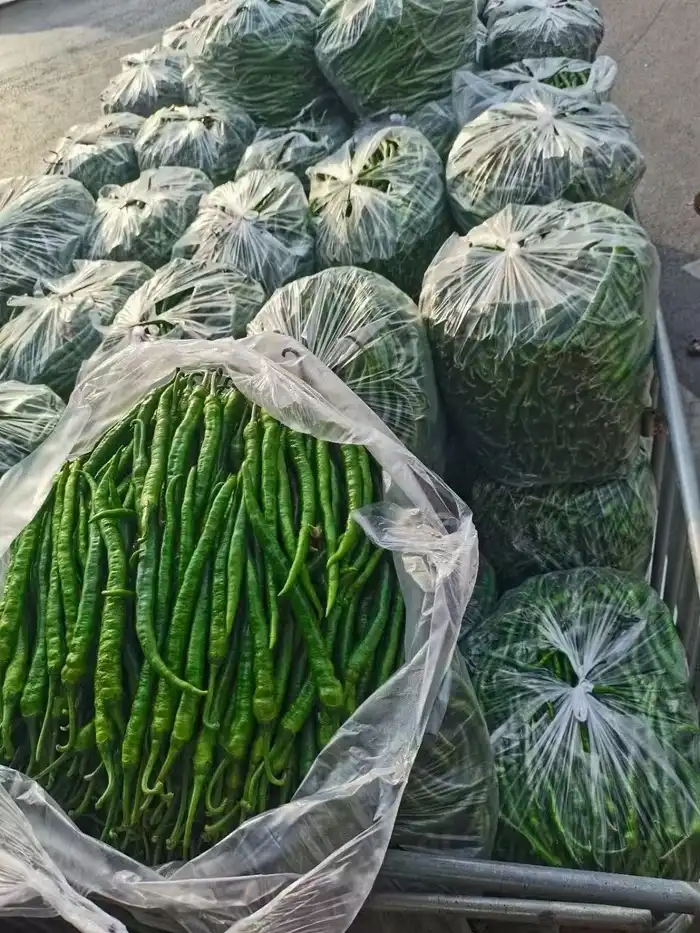
Conclusion
When you purchase a large quantity of HDPE produce packaging bags, it affects cold chain performance, food safety compliance, and realistic cost all at once. Check the film thickness, bottom seal strength, and source approval before you look at the price. When it comes to value, the supplier who always ships on time, keeps extra stock on hand, and provides test results from a third party is always better than the cheapest quote that doesn't work in real distribution situations.
FAQ
What thickness should I order for 15–20 kg produce loads?
When the weight is between 15 and 20 kg, the film should be 20 to 25 μm thick and the bottom seal should be stronger. Make sure that the seal heat-bond strength is at least 80% of the base film tensile strength before you send the order to a seller.
Can I print my brand logo on bulk HDPE bags?
Yes, flexographic printing can print brand pictures, product names, safety text, and colors that match Pantone. It can also print in six colors.
What certifications should a qualified supplier provide?
You should have at least records of heavy metal testing, FDA 21 CFR 177.1520 food contact compliance, and ASTM D1709 dart drop impact reports. EU citizens should also ask for EU 10/2011 and EC 1935/2004 records.
What is a realistic MOQ for a first bulk order?
Most skilled manufacturers set the MOQ at 5,000 pieces as a general rule. When national buying groups buy more of the same SKU, they can usually get better prices. The best prices start at 100,000 pieces per SKU per order cycle.
How do I verify a supplier's production capacity before committing?
Ask your current customers to check out the factory and give you copies of their production capacity certificates and delivery records. If a supplier keeps between 500 and 800 tons of finished goods in stock, that means they are making the right amount of goods to keep monthly restocking stable.
Get a Bulk Quote From Luming Plastic — HDPE Produce Packaging Bags Manufacturer
It has been making things for 30 years and has its own 12,000 m² blown film factory. Every day, it makes 8–10 tons of food-grade polyethylene bags. We make our own HDPE produce packaging bags, so we can answer questions in 15 minutes and send samples within 24 hours. You can get specs, certificates, or a bulk price by emailing our sales team at sales@lumingplastic.com.
References
1. Plastics Technology — Annual Polyethylene Film Processing Report, 2023.
2. Food and Drug Administration (FDA) — Code of Federal Regulations Title 21, Part 177.1520: Olefin Polymers, 2022.
3. ASTM International — ASTM D1709: Standard Test Methods for Impact Resistance of Plastic Film by the Free-Falling Dart Method, 2022.
4. ASTM International — ASTM D1922: Standard Test Method for Propagation Tear Resistance of Plastic Film and Thin Sheeting by Pendulum Method, 2021.
5. Packaging Digest — Bulk Flexible Packaging Procurement Trends in Fresh Produce Distribution, 2023.
6. European Commission — Regulation (EU) No 10/2011 on Plastic Materials and Articles Intended to Contact Food, 2011 (amended 2020).
Get customized packaging solutions with fast professional support.