- English
- French
- German
- Portuguese
- Spanish
- Russian
- Japanese
- Korean
- Arabic
- Greek
- German
- Turkish
- Italian
- Danish
- Romanian
- Indonesian
- Czech
- Afrikaans
- Swedish
- Polish
- Basque
- Catalan
- Esperanto
- Hindi
- Lao
- Albanian
- Amharic
- Armenian
- Azerbaijani
- Belarusian
- Bengali
- Bosnian
- Bulgarian
- Cebuano
- Chichewa
- Corsican
- Croatian
- Dutch
- Estonian
- Filipino
- Finnish
- Frisian
- Galician
- Georgian
- Gujarati
- Haitian
- Hausa
- Hawaiian
- Hebrew
- Hmong
- Hungarian
- Icelandic
- Igbo
- Javanese
- Kannada
- Kazakh
- Khmer
- Kurdish
- Kyrgyz
- Latin
- Latvian
- Lithuanian
- Luxembou..
- Macedonian
- Malagasy
- Malay
- Malayalam
- Maltese
- Maori
- Marathi
- Mongolian
- Burmese
- Nepali
- Norwegian
- Pashto
- Persian
- Punjabi
- Serbian
- Sesotho
- Sinhala
- Slovak
- Slovenian
- Somali
- Samoan
- Scots Gaelic
- Shona
- Sindhi
- Sundanese
- Swahili
- Tajik
- Tamil
- Telugu
- Thai
- Ukrainian
- Urdu
- Uzbek
- Vietnamese
- Welsh
- Xhosa
- Yiddish
- Yoruba
- Zulu
HDPE vs. LDPE Produce Bags: Which Is Better for Fruits and Vegetables?
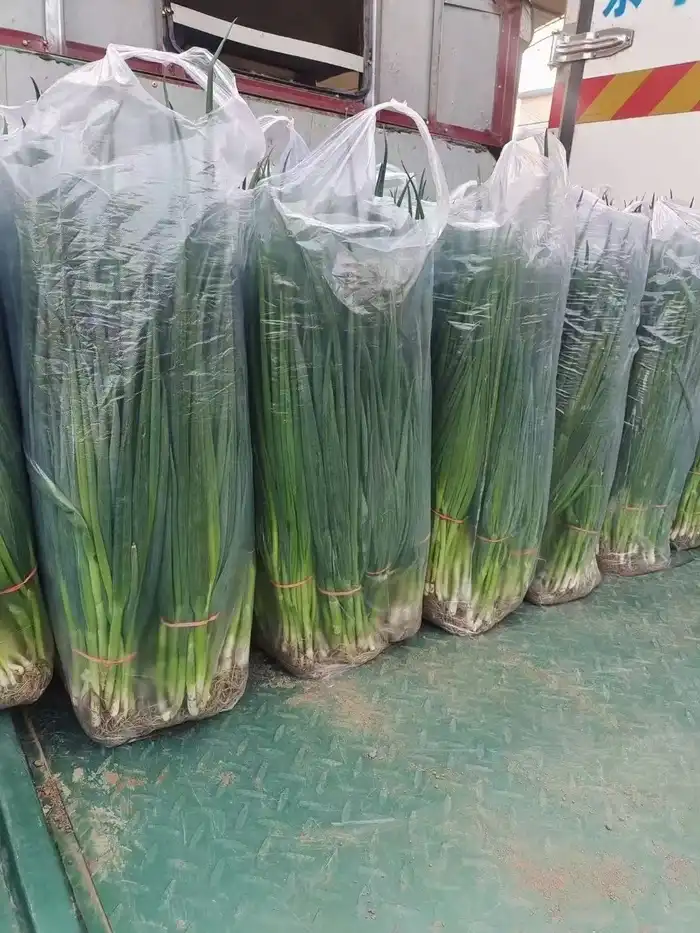
If you work in fresh produce distribution, central kitchen procurement, or wholesale food packaging, you have likely asked this question at least once. For most B2B buyers handling root vegetables, leafy greens, or bulk fruit, HDPE produce bags https://www.lumingplastic.com/hdpe-t-shirt-bags/hdpe-produce-bags come out ahead. They offer higher tensile strength at thinner gauges, pass FDA 21 CFR 177.1520 food-contact requirements, and hold 5–8 kg loads without tearing—making them the go-to choice for high-volume operations. LDPE remains useful for delicate, retail-facing scenarios. This article breaks down both materials so you can buy confidently.
Understanding HDPE and LDPE Produce Bags
Molecular Structure and Physical Feel
The molecules that make up HDPE are very close to each other and line up in a straight line. Between 0.941 and 0.965 g/cm³ is how dense it is. This structure makes the film very crystallized and makes it feel a little stiff and crinkly. LDPE, on the other hand, has a chain that branches out and weighs between 0.910 and 0.940 grams per cubic centimeter. It's now a smoother, softer film that spreads instead of grips.
Production Process and Thickness Ranges
It is possible to blow-film extrude both types of materials, but HDPE needs higher temperatures to be worked with because it melts at 130.8°C, which is higher than the other materials. This makes it possible to make HDPE film that is 8–10 microns thick and still meets the tensile standards of ASTM D882. Most LDPE films are made at 20–50 microns so that they have the same load ratings. This directly affects how much material is used per bag.
Recyclability and Environmental Standing
HDPE is one of the most recycled plastics in the world, and it has the Resin Identification Code 2 on it. Because of how steady its makeup is, it can be used over and over again with little loss of effectiveness. The code for LDPE is 4, and it can be recycled, but not as many places will take it. The HDPE recycling method is a big plus for HDPE produce bags used by companies that have to report scope 3 pollution or deal with sustainability checks from stores.
HDPE vs. LDPE Produce Bags – Key Performance Comparison
Strength and Puncture Resistance
3,000 to 4,000 PSI (ASTM D882) is the tensile strength of HDPE film, which is a lot more than LDPE film of the same thickness. A vegetable bag made of 8–10 micron HDPE can hold root vegetables, stems, and husks that have rough edges without going through. If the conditions were the same, the same thickness of LDPE would split. To make up for this, a thicker film would be needed, which would cost more and be heavy.
Moisture Management and Freshness
Leafy greens should stay moist while being shipped in cold temperatures (0–4°C). This is because HDPE has a lower Moisture Vapor Transmission Rate (MVTR) than LDPE. The film will not break when it gets cold like some common plastics do. It will keep its shape. The LDPE film is softer and lets more air pass through it. This is good for delicate fruits and berries that have already started to ripen, but it can make green vegetables wilt faster during overnight distribution runs.
Cost Efficiency Across the Supply Chain
For each bag, less HDPE is used because it can hold the same amount of weight with a smaller thickness. The saves per unit add up quickly for a wholesaler who gets a lot of bags every three months. It takes more resin per unit to make LDPE bags with heavier gages. This makes the product heavier, which means it costs more to ship. When shipping full containers from the factory to a warehouse in the area, this is something to keep in mind.
Application Suitability: Which Produce Bags Work Best for Different Needs?
Problems can be fixed in various ways. These are the times when each material works best every time:
- HDPE bags for bulk wholesale and cold chain: Root vegetables, brassicas, and heavy herbs benefit from HDPE's puncture resistance and cold-temperature stability. Bags built with one-piece blown-film construction have no seam to split during hydro-cooling or misting cycles.
- HDPE bags for supermarket dispensers: Precision-perforated rolls allow clean one-handed tearing in high-traffic retail aisles. The vest-handle design distributes load evenly, and food-grade anti-block agents prevent adjacent bags from sticking in humid produce sections.
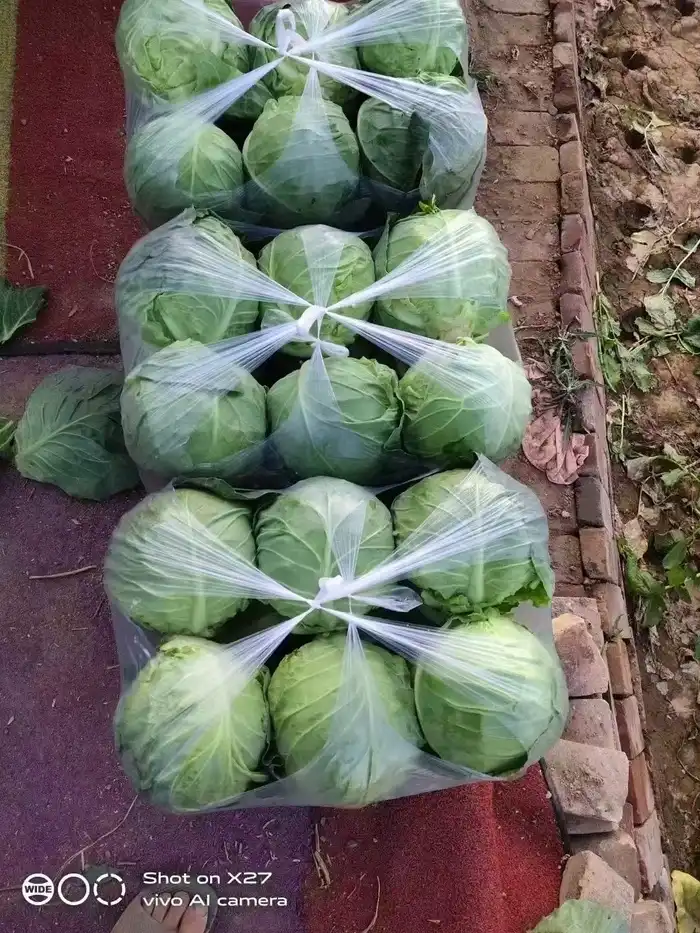
- LDPE bags for delicate retail fruit: Soft-feel LDPE suits pre-packed stone fruit or berries at point of sale, where tactile softness and optical clarity drive consumer perception.
- Alternative formats for specific needs: Mesh bags allow full airflow for onions and garlic; biodegradable films are gaining ground where composting infrastructure exists; paper sleeves work for single-item premium display. None of these replace the cost-to-strength ratio of HDPE for volume produce handling.
In terms of price to strength, these aren't as good as HDPE produce bags for moving a lot of food.
Procurement Guide for HDPE Produce Bags in B2B Markets
Supplier Evaluation Criteria
For companies that handle food, look for ones that can show proof that they follow FDA 21 CFR 177.1520, EU 10/2011, and EC 1935/2004 rules. Make sure the raw material is made of 100% virgin resin and no recycled content. This will keep it clean during FDA or store audits. Also, the ability to make things is important. You can handle sudden increases in volume without having to wait for your supplier to restock if they have more than 100 blown-film lines and 500–800 tons of finished stock.
Customization and Order Structure
Most retail and trade forms come in standard sizes, like 12x7x22 inches. However, buyers in central kitchens or branded stores often need forms in custom sizes with their names and micron ratings printed on them. A good HDPE produce bag maker can print in full color on smooth film, make holes with any size, and give you a choice of handle types, such as collar, drawstring, or flat-top. You can place a test order before committing to a full container because the MOQ is as low as 5,000 pieces.
Lead Times and Bulk Pricing
Every day stock orders should be sent out within 24 hours. Print orders made just for you take about 3 to 5 days for easy runs and 7 to 10 days for more complex ones. Make sure you get the price per unit by roll or box, not just by bag count, when you place a big order for HDPE produce bags. How the bags are packed changes how dense the freight is and how much it costs to move them around in the warehouse. It is common to ask for models 24 hours after the specs are finished. This keeps costs low and keeps you from having to pay a lot for rework.
Sustainability and Future Trends in Produce Bag Usage
Because HDPE can down-gauge, it directly cuts down on the amount of plastic that goes into a unit. You use less plastic per piece if you make the same secured bag at 8 microns instead of 20 microns. This is a big deal if your company moves tens of millions of bags every year. This is because lighter shipments weigh less, which means they release less carbon dioxide while being moved and delivered.
When companies spend money on thermal management during film extrusion, they use less energy per kilogram of output. Now that North America and Europe have Code 2 recycling and new closed-loop take-back systems up and running, HDPE is ready for the new rules on single-use plastics. Biodegradable and reusable films are getting better, but for heavy-load uses, there are still big differences between how much they cost and how well they work. In the near future, the best way to save money, protect the environment, and be environmentally friendly will probably be to use HDPE that is thin and can be recovered in its entirety.
Conclusion
In terms of strength per micron, HDPE is better. It has been tested for food safety, keeps things cold longer, and can be returned. LDPE is still the best material for clear, flexible soft store packaging. If you work for a grocery shop, a bulk market, or a cold-chain distributor, the cheapest way to protect a kilogram of food is with virgin-resin HDPE produce bags that meet FDA and EU food-contact standards. The people who buy fresh fruit are interested in three things: how much food goes missing, how often claims are made, and how much things cost in the long run.
FAQ
Why do most wholesale distributors prefer HDPE bags over LDPE for vegetables?
HDPE film can hold the same amount of weight as an LDPE bag that is twice as thick. It has a tensile strength of 3,000 to 4,000 PSI. More puncture failures and claims for bulk vegetables with rough or sharp stems are less likely to happen. This doesn't raise the cost per unit.
Are HDPE produce bags safe for direct food contact?
If the bags are made of brand-new HDPE plastic and meet the standards set by FDA 21 CFR 177.1520 and EC 1935/2004, then they can be close to fresh food. To use in supply lines overseen by the FDA or the EU, you should always ask your source for proof of approval.
How do I recycle HDPE bags efficiently within a commercial operation?
Your HDPE (Code 2) can be recycled at many city schemes and most business drop-off sites. Put used bags together by resin code and work with a plastics processor to get more of them back when there are a lot of them. Do not mix with LDPE or other types of film, as this will make the recycled material less good.
What customization options are available for wholesale orders?
You can pick the color, style of the handle, number of holes, film thickness (8–25 microns), size of the bag, and what you want printed on the outside (brand logo, barcode, nutritional information). It takes at least 5,000 pieces to make a custom run, and samples can be sent out within 24 hours.
Does HDPE film stay intact in refrigerated conditions?
Between -50°C and +110°C, HDPE is physically stable. This means that it can be kept in the cold chain between 0°C and 4°C and moved frozen without breaking or losing its seal.
Source Your HDPE Produce Bag Supplier Directly from Luming Plastic
Since 1980, Luming Plastic has been making HDPE produce bags. For those 30 years, they have only made HDPE bags. They make all of their own blown film and have 500–800 tons of ready stock. They are also FDA and EU food-contact certified. It takes 3–7 days to finish custom print orders, but 24 hours to ship stock orders. You can get samples and a price right away by emailing our sales team at sales@lumingplastic.com.
References
1. ASTM International. ASTM D882: Standard Test Method for Tensile Properties of Thin Plastic Sheeting. ASTM International, 2018.
2. U.S. Food and Drug Administration. 21 CFR Part 177.1520: Olefin Polymers. FDA, 2023.
3. European Commission. Regulation (EC) No 1935/2004 on Materials and Articles Intended to Contact Food. Official Journal of the European Union, 2004.
4. Selke, S., Culter, J., & Hernandez, R. Plastics Packaging: Properties, Processing, Applications, and Regulations. Hanser Publications, 2015.
5. PlasticsEurope. Plastics – The Facts 2023: An Analysis of European Plastics Production, Demand and Waste Data. PlasticsEurope, 2023.
6. Marsh, K., & Bugusu, B. "Food Packaging—Roles, Materials, and Environmental Issues." Journal of Food Science, 2007.
Get customized packaging solutions with fast professional support.