- English
- French
- German
- Portuguese
- Spanish
- Russian
- Japanese
- Korean
- Arabic
- Greek
- German
- Turkish
- Italian
- Danish
- Romanian
- Indonesian
- Czech
- Afrikaans
- Swedish
- Polish
- Basque
- Catalan
- Esperanto
- Hindi
- Lao
- Albanian
- Amharic
- Armenian
- Azerbaijani
- Belarusian
- Bengali
- Bosnian
- Bulgarian
- Cebuano
- Chichewa
- Corsican
- Croatian
- Dutch
- Estonian
- Filipino
- Finnish
- Frisian
- Galician
- Georgian
- Gujarati
- Haitian
- Hausa
- Hawaiian
- Hebrew
- Hmong
- Hungarian
- Icelandic
- Igbo
- Javanese
- Kannada
- Kazakh
- Khmer
- Kurdish
- Kyrgyz
- Latin
- Latvian
- Lithuanian
- Luxembou..
- Macedonian
- Malagasy
- Malay
- Malayalam
- Maltese
- Maori
- Marathi
- Mongolian
- Burmese
- Nepali
- Norwegian
- Pashto
- Persian
- Punjabi
- Serbian
- Sesotho
- Sinhala
- Slovak
- Slovenian
- Somali
- Samoan
- Scots Gaelic
- Shona
- Sindhi
- Sundanese
- Swahili
- Tajik
- Tamil
- Telugu
- Thai
- Ukrainian
- Urdu
- Uzbek
- Vietnamese
- Welsh
- Xhosa
- Yiddish
- Yoruba
- Zulu
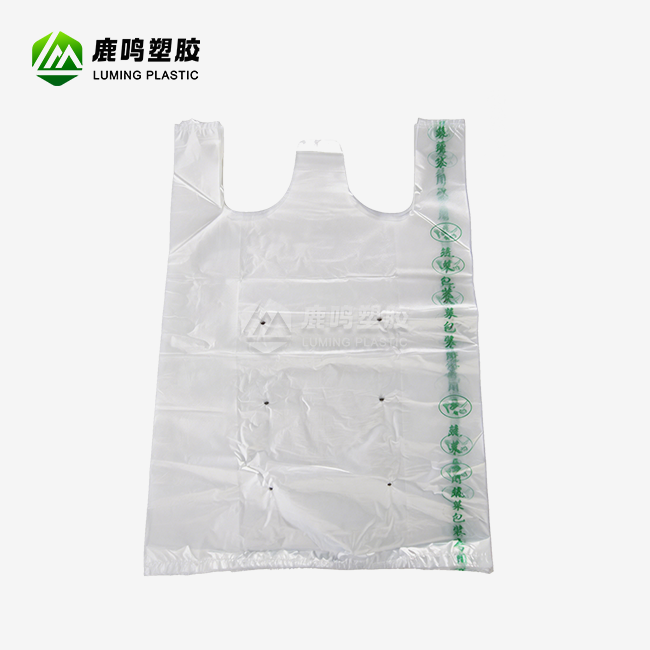
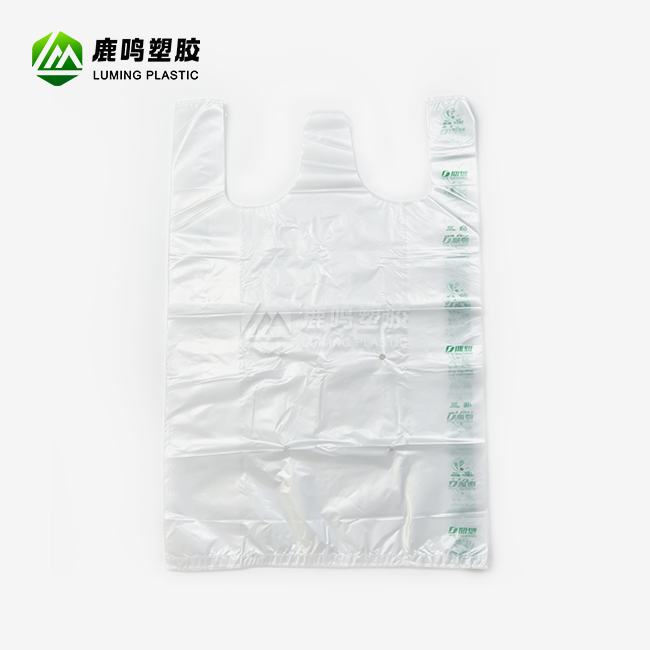
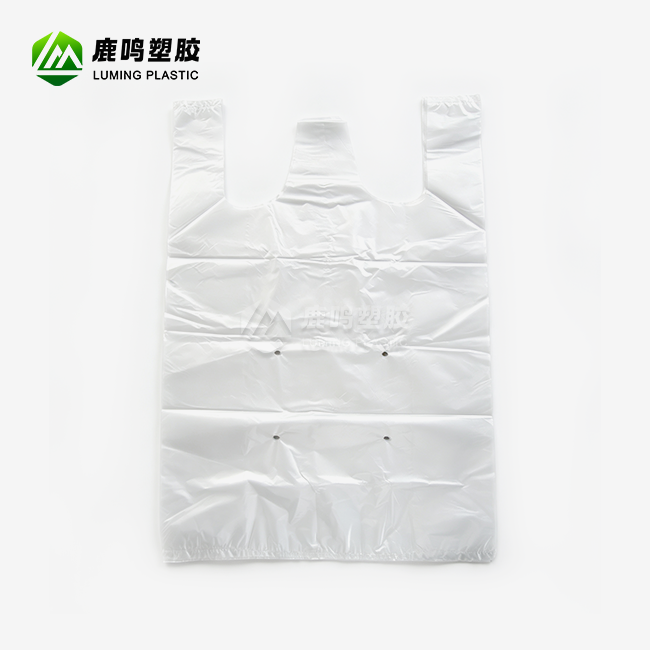
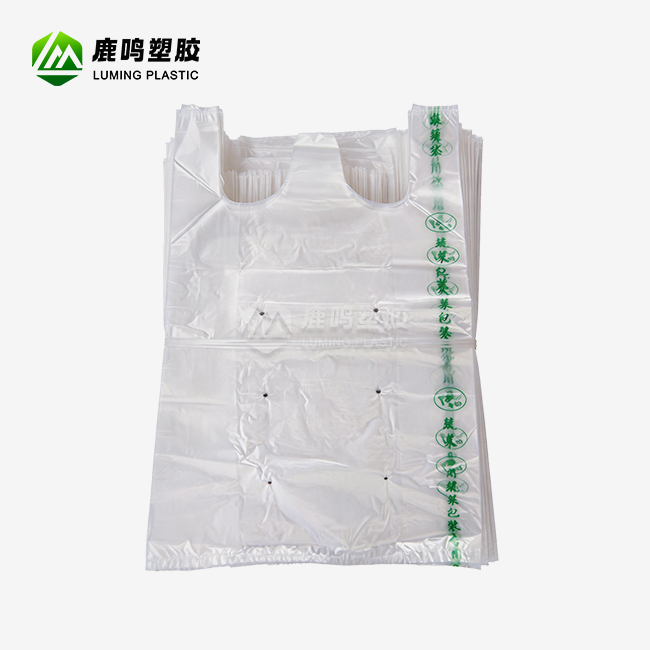
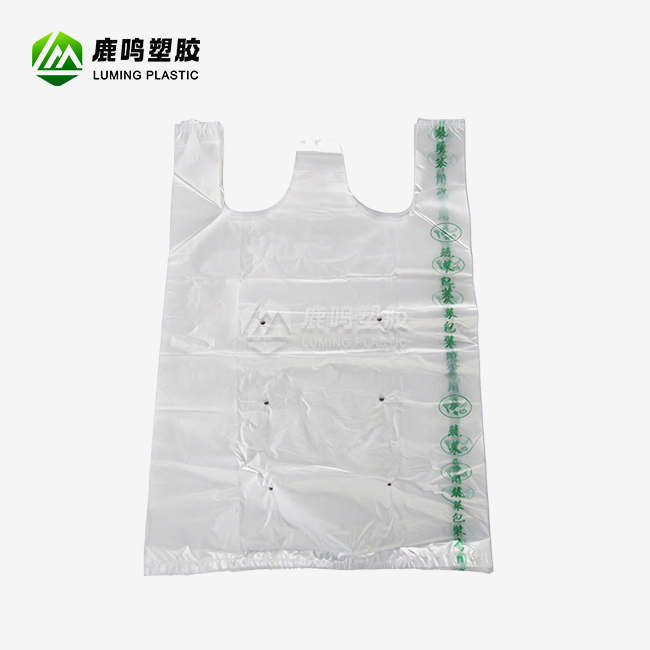
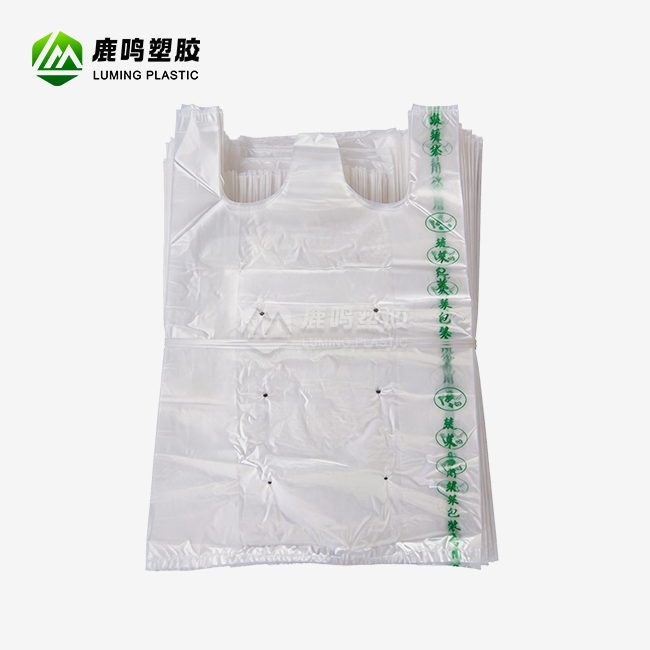
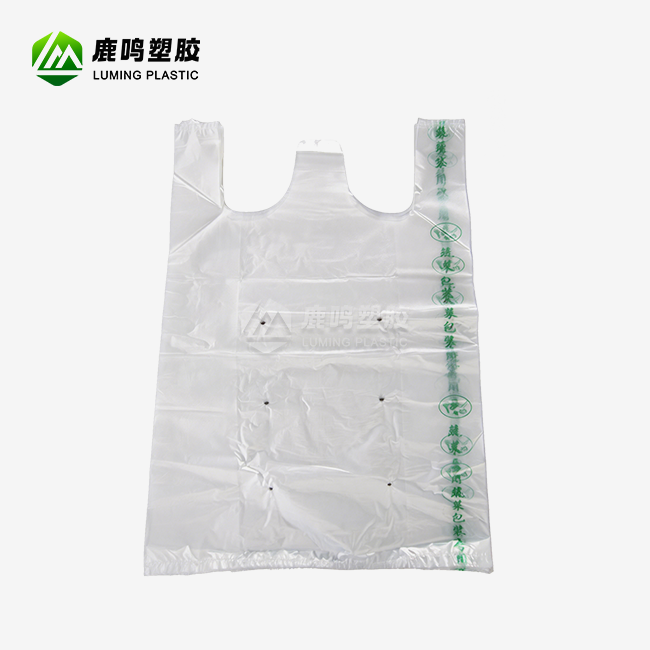
Anti-fog HDPE Produce Bags
2. One-piece extrusion, seamless and stronger
3. Tear and puncture resistant for heavy loads
4. Ideal for vegetable and fresh produce packaging
5. Smooth surface for clear printing results
Anti-fog HDPE Produce Bags – Food-Grade Fresh Produce Packaging with Crystal-Clear Visibility
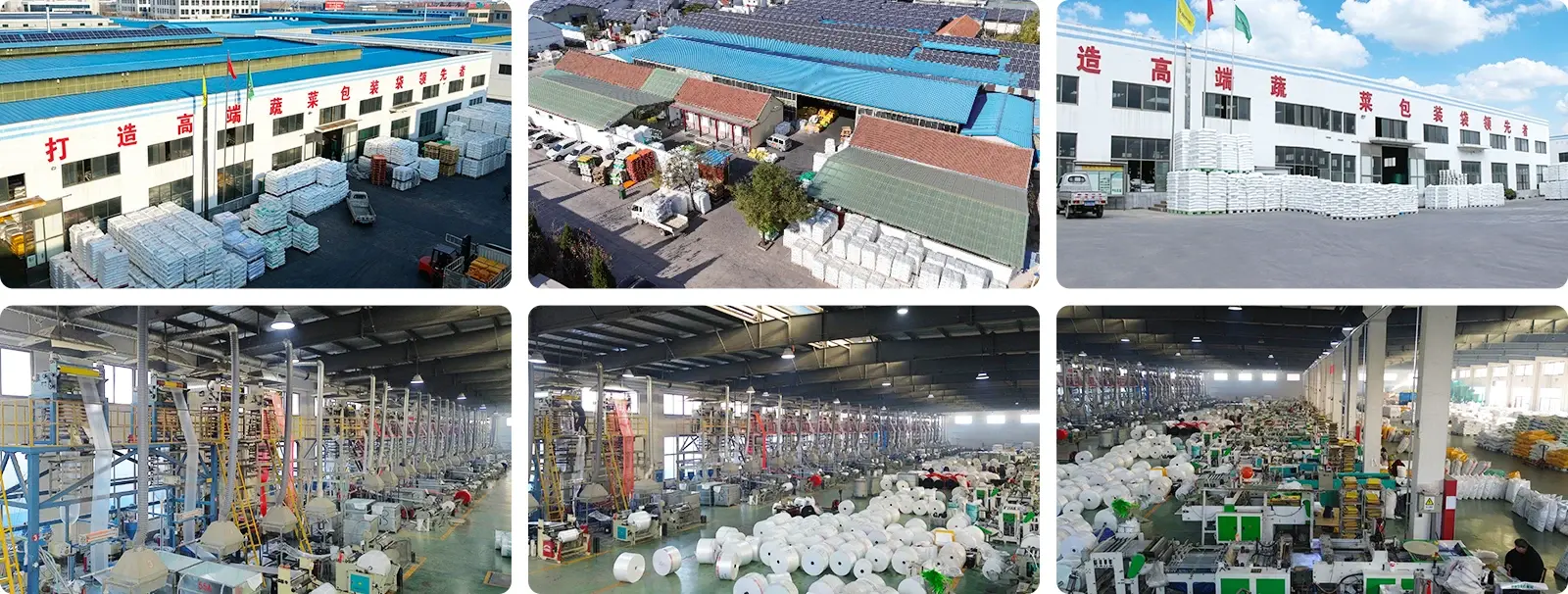
Rizhao Luming Plastic Technology Co., Ltd. develops and manufactures Anti-fog HDPE Produce Bags, purpose‑built to solve poor visibility and short shelf‑life issues within cold‑chain fresh produce logistics. Operating a 12,000 m² production facility equipped with over 100 sets of advanced manufacturing machines, we reach monthly output in hundreds of millions of units with mature extrusion know‑how. Even under 90 % relative humidity, our bags keep haze below 15 %. Load capacities cover 5 kg up to 35 kg, and all items comply with FDA 21 CFR 177.1520 food‑contact requirements. This keeps your fresh produce clearly visible, well‑preserved and retail‑ready through every step of the supply chain.
What Makes Anti‑fog Technology Essential for Your Produce
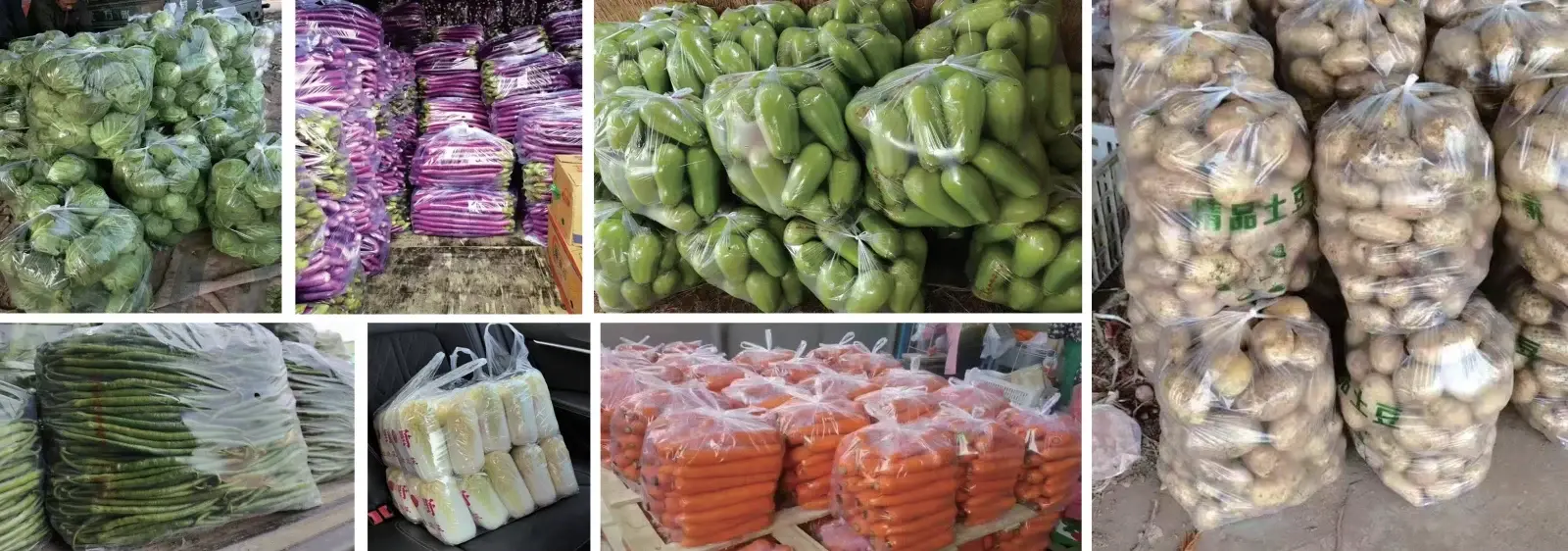
Temperature fluctuations between cold storage and retail display racks trigger condensation inside ordinary packaging. Fogged‑up film hides product appearance and speeds up spoilage.
Anti-fog HDPE Produce Bag incorporate migratory surfactant additives that alter surface tension of the film. Instead of forming obstructive water droplets, condensed moisture spreads out into a uniform transparent layer. Your buyers get a clean view of fresh produce without distracting water spots.
This functional additive helps extend the saleable shelf‑life of high‑respiration vegetables such as leafy greens and broccoli. It avoids the greenhouse‑style humidity build‑up that fuels microbial growth inside the package.
Material Properties You Can Measure
Compared with conventional LDPE alternatives, our HDPE‑based formulation delivers tangible performance advantages:
| Property | Specification | Benefit |
|---|---|---|
| Material Density | 0.941–0.965 g/cm³ | Higher tensile strength, puncture resistance |
| Haze Value | <15% (90% RH) | Crystal-clear visibility even in humid conditions |
| Load Capacity | 5-10 kg / 10-15 kg / 25-35 kg | Reliable support for heavy or sharp-edged produce |
| Food Safety | FDA 21 CFR 177.1520 compliant | Safe for direct contact with organic produce |
| Impact Resistance | ASTM D1709 certified | Withstands handling stress in logistics |
| Temperature Range | 0°C to 10°C optimal | Ideal for cold-chain and refrigerated display |
HDPE’s high‑crystallinity structure supports film down‑gauging. You can run thinner‑gauge material without losing mechanical strength, lowering material spend while cutting environmental footprint.
Where These Anti-fog HDPE Produce Bags Address Real Problems
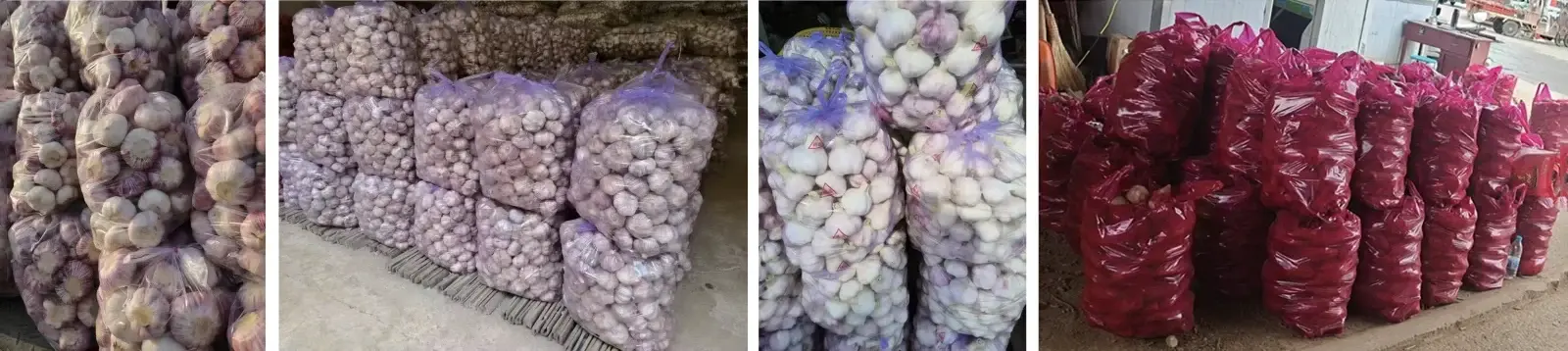
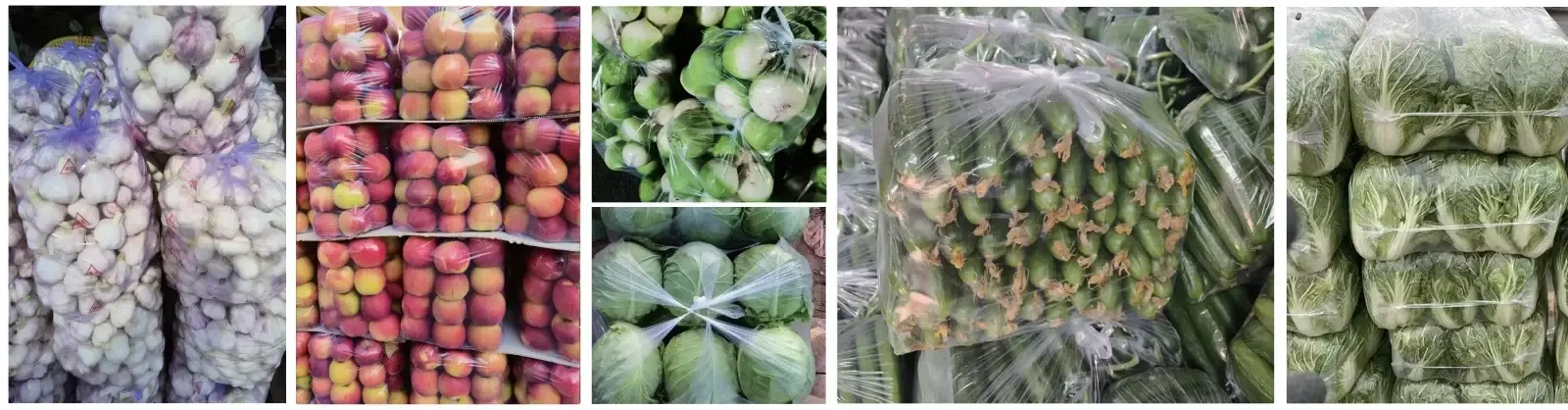
Supermarket Refrigerated Sections: Leafy greens and herbs are subjected to repeated temperature changes between cold storage and store misting systems. Our bags keep spinach and kale fresh and attractive to buyers, not wet and unappealing.
Broccoli, sugar snap peas and other high-respiration products have extensive transport routes abroad. The Anti-fog HDPE Produce Bags help to control the interior humidity during transport and to avoid fungal development caused by water droplets remaining in place.
Bulk Organic Retail: Health-minded shoppers commonly touch and feel packaged items. Its good strength to thickness ratio can carry large citrus and root veggies, yet still preserve the premium clear image that organic brands need.
Farmers’ Markets and Wholesale Distribution No structural weak areas due to seamless one-piece extrusion. Rough surfaces or stems make goods far less likely to shred as they pass through rough bulk-handling procedures.
Customization Centered on Your Operations
No two packing operations are same. Our backbone in full-scope bespoke development is our 120-person production team:
Size Flexibility: From little herb packets to large-format bulk sacks. Custom proportions are adaptable to your current packing-line equipment.
Thickness Options: Select film gage for best cost and durability, based on product weight and normal handling circumstances.
Printability: The slick surface of the film facilitates excellent print quality. Add company logos, barcodes, nutritional data or other branding items in excellent quality.
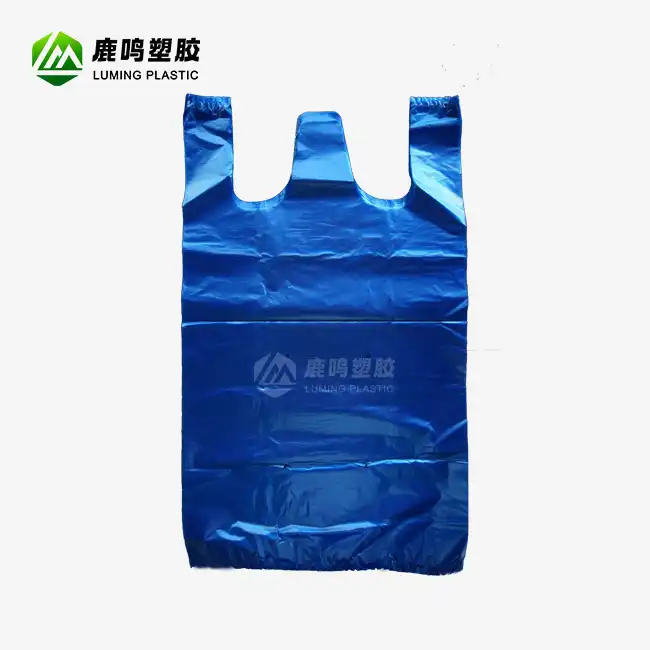
T‑Shirt Handle Design: built‑in carry handles increase end‑user experience, speed up supermarket checkout throughput.
All custom customized versions maintain the original anti-fog performance. Direct factory supply with 8 domestic service sites guarantee constant quality and no-compromise manufacturing.
Why HDPE Outperforms Alternative Materials
Many companies provide LDPE produce bags with anti-fog features. The main reasons for choosing HDPE as our foundation material are:
Higher Puncture Resistance: HDPE is not readily punctured by stem-bearing vegetables such as vine tomatoes. Less bag failure means less total product waste.
Better Moisture Barrier HDPE’s tight molecular framework prevents the entry of outside moisture and controls the buildup of interior condensation.
Cost Efficiency Through Down-Gauging: Less raw material may provide same strength. The cost per unit is reduced by using thinner sheets and less plastic.
More Chemical Resistance HDPE is more resistant to the organic acids generated by fresh food than competing materials, thus bags last longer.
Full Recyclability Resin Code 2 categorization means easy processing in typical HDPE recycling streams, and helps you meet your sustainability objectives.
Packaging That Protects Your Investment
Anti-fog HDPE Produce Bags are packed inside moisture‑proof cartons with clear outer labelling for simple inventory management. Standard carton layouts suit pallet‑loading for efficient warehouse storage and shipment.
Formal quality inspections are carried out on every manufacturing batch for thickness uniformity, seal strength and actual anti-fog efficacy. With manufacturing know-how gained since our subsidiary Sanding Plastic was created in 2008, we can assure that every single shipment matches your goal specs.
Frequently Asked Questions
Q1: How long will the anti‑fog effect remain functional?
A1: Under regular warehouse storage, migratory anti‑fog additives stay active for 6‑12 months, subject to additive loading ratios.
Q2: Are anti‑fog additives safe for organic fresh produce?
A2: Yes. We deploy FDA‑ and EC‑approved surfactants, leaving zero harmful residues on food surfaces.
Q3: Can these produce bags go into recycling?
A3: Yes. Marked with Resin Identification Code 2, they are fully recyclable within conventional polyethylene recycling workflows.
Q4: What is the main advantage of HDPE anti‑fog bags over LDPE versions?
A4: HDPE delivers noticeably higher tensile strength. It enables thinner‑gauge bags to cut waste and unit‑cost, alongside improved puncture resistance for stem‑rich produce.
Q5: How do these bags perform under sub‑zero freezing conditions?
A5: HDPE keeps decent flexibility at low temperatures. Nevertheless, anti‑fog performance is optimised for 0‑10 °C cold‑chain produce distribution. Frozen‑grade applications require special cold‑slip modified formulations.
Ready to Improve Your Produce Presentation?
Please contact our team at sales@lumingplastic.com to discuss your Anti-fog HDPE Produce Bags specific requirements and request samples.
Get customized packaging solutions with fast professional support.